

Zero Waste on a Budget: Home & Garden Edition
Welcome back to my Zero Waste on a Budget series, which was previously randomized, but I am working on organizing it slowly but surely. You can check out the full series here with nearly 500 ways to live zero waste without spending a single dollar. Some are organized into themes, and others are random, so watch which ones you prefer.
Today, let’s dive into zero-waste on a budget yard/garden edition! From gardening to picking up litter, we cover it all in this post without spending a single dollar.
Feel free to drop your eco-on-a-budget tips below to help this series continue to grow.
Water
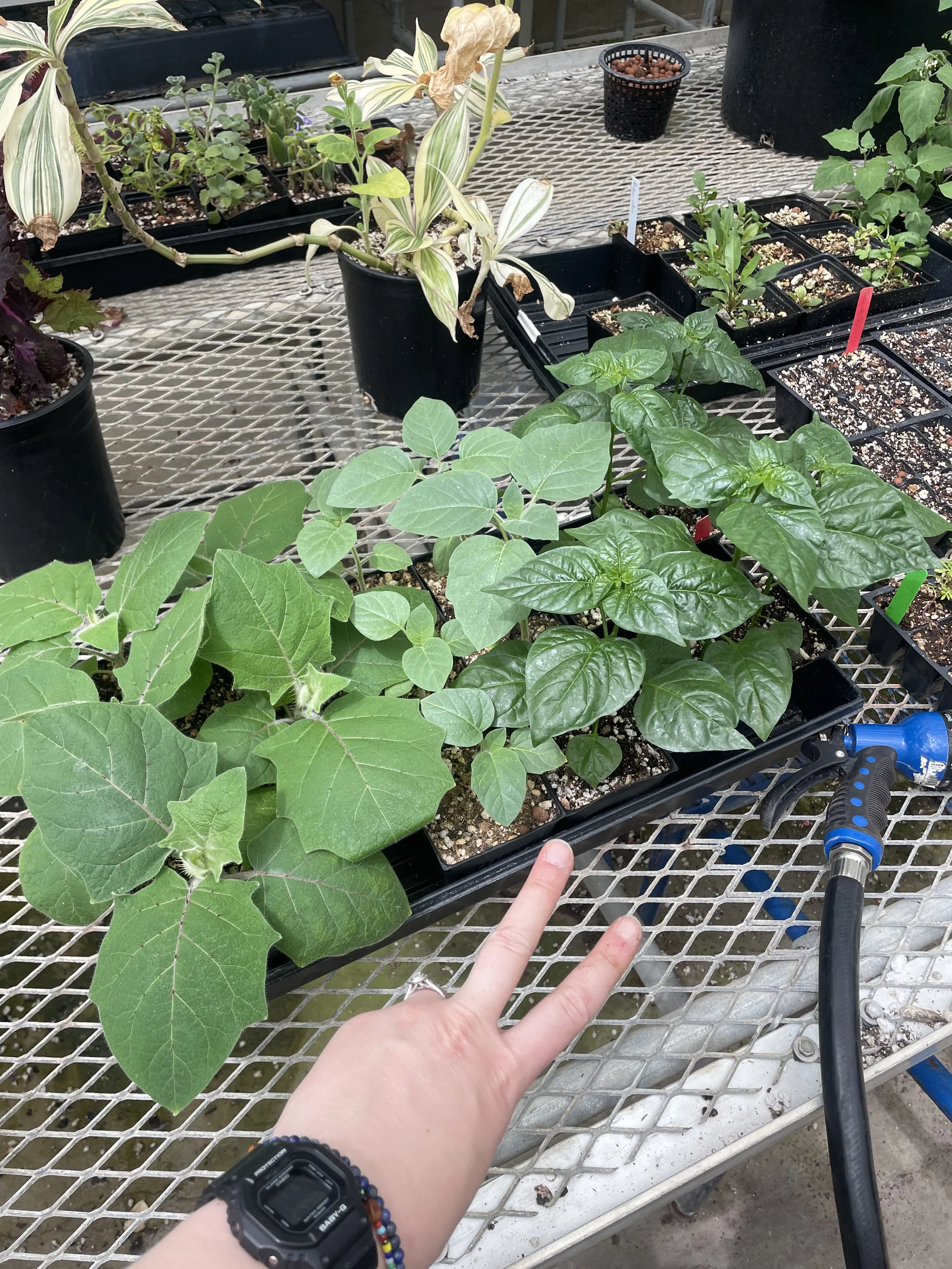
Recycle your water. What I mean by this is use up old water for your plants. Water from boiling noodles or from your dehumidifier, or from that water bottle that has been sitting in your car or bedroom for months.
Set plants outside when it rains for free water collecting!
Set containers outside to catch rainwater to water plants. In some regions of the world, you may have to report what you catch. But in most regions, this should be legal and safe. Please check your local rules.
Water your plants in the morning before the sun comes up or after the sun sets to avoid evaporation. And if it rains, be mindful not to water plants on that day and turn off any automated sprinklers since your plants already got water.
Energy
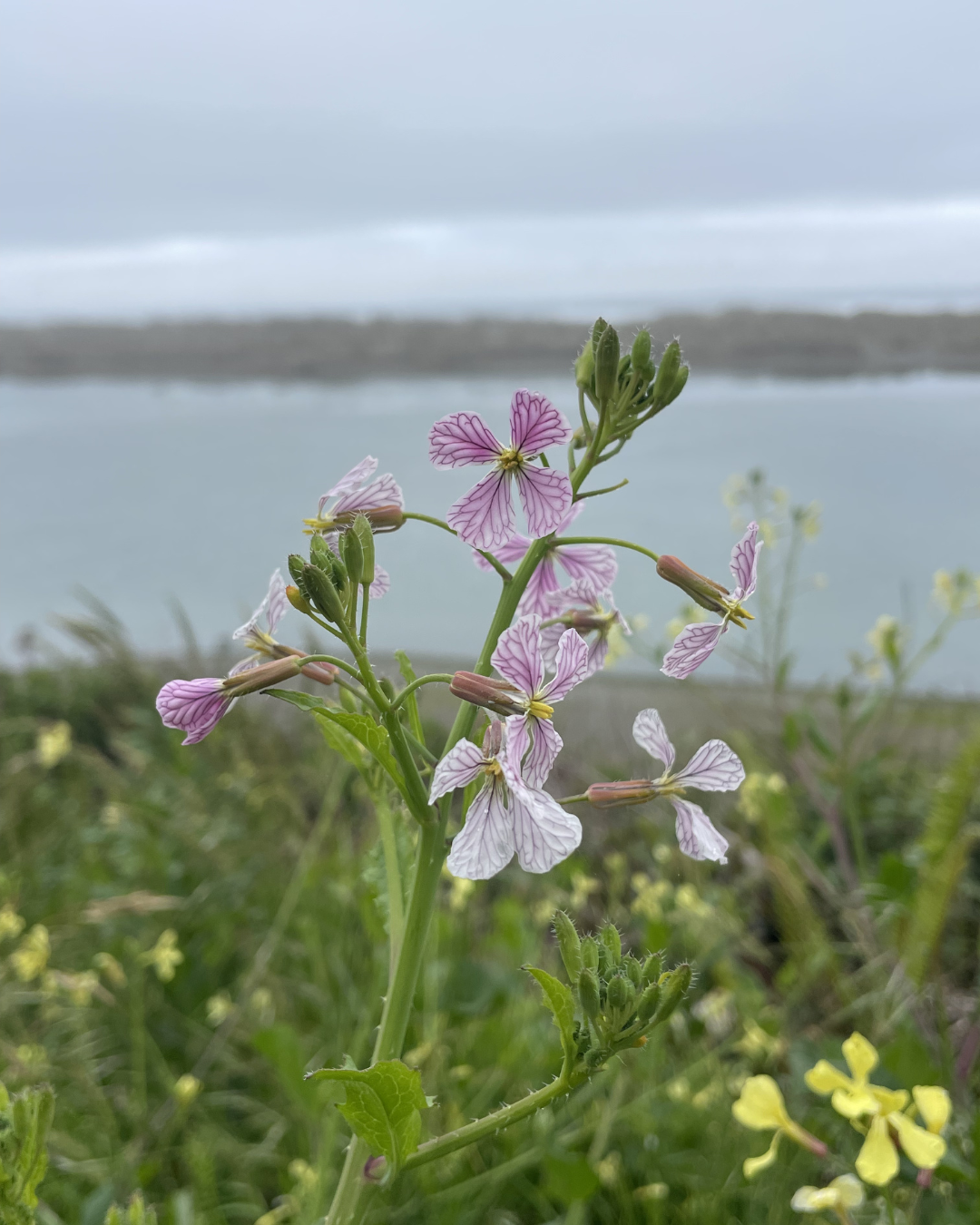
If you have the space, hang dry your clothes. This only takes a little more work but will save a lot of energy.
Turn off outdoor lights when not in use.
Utilize the power of the sun! The sun is great for a lot of things, including a plethora of things for our clothing, too! Sunlight, of course, helps our clothing dry faster, but it also serves as a natural disinfectant. So, it's good to hang bedding and rugs, and other things outside too for this purpose. It can also serve as a natural stain remover (don't put colors outside too long, as they might get sun-bleached!).
Plants
Regrow veggie scraps. This might take a little time, but you could have free veg from the scraps you have from things like spring/green onions, peppers, lettuce, celery, and more.
Upcycle old containers into planters instead of buying new.
Learn about plants in your region and forage food for free! I am not an expert on this, so please consult credible sources. Plus, every region is different! And please don’t go onto private property to do this!
Propagate your plants instead of buying new ones. There are so many plants out there that repopulate on their own, and a lot of others are easy; they just need a little help. Aloe and other succulents do this themselves; you just have to repot the babies. Or with other plants, like ivy, they just need a leaf snipped off, and you can grow yourself a new one!
Repurpose bags of soil into trash bags.
If you buy potted plants from a nursery or gardening store, return the pots to the store so they can reuse them.
Pine needles can make great foraged mulch to prevent weeds on exposed soil. This way you don’t have to buy mulch in bags.
When gardening or farming, consider no-till planting. This might sound bizarre to lifelong farmers or gardeners, but hear me out. Allowing more vegetation in your garden or farm allows for better water control (no flooding or droughts, or less severe effects).
Reuse bamboo toothbrushes and popsicle sticks as free garden labels that are also plastic-free! Chopsticks and/or pencils with erasers don't work to stabilize plants that need help (I use twist-ties or rubber bands, but hemp string would be more eco-friendly). Popsicle sticks could potentially work for that but might be better for labeling because they have more potential to damage roots because of their width.
Follow invasive species guidelines. Remove invasives from your yard & be mindful of what you plant. While you’re at it, replace invasive plants with native ones! And please…never plant mint in the ground!
Waste Management
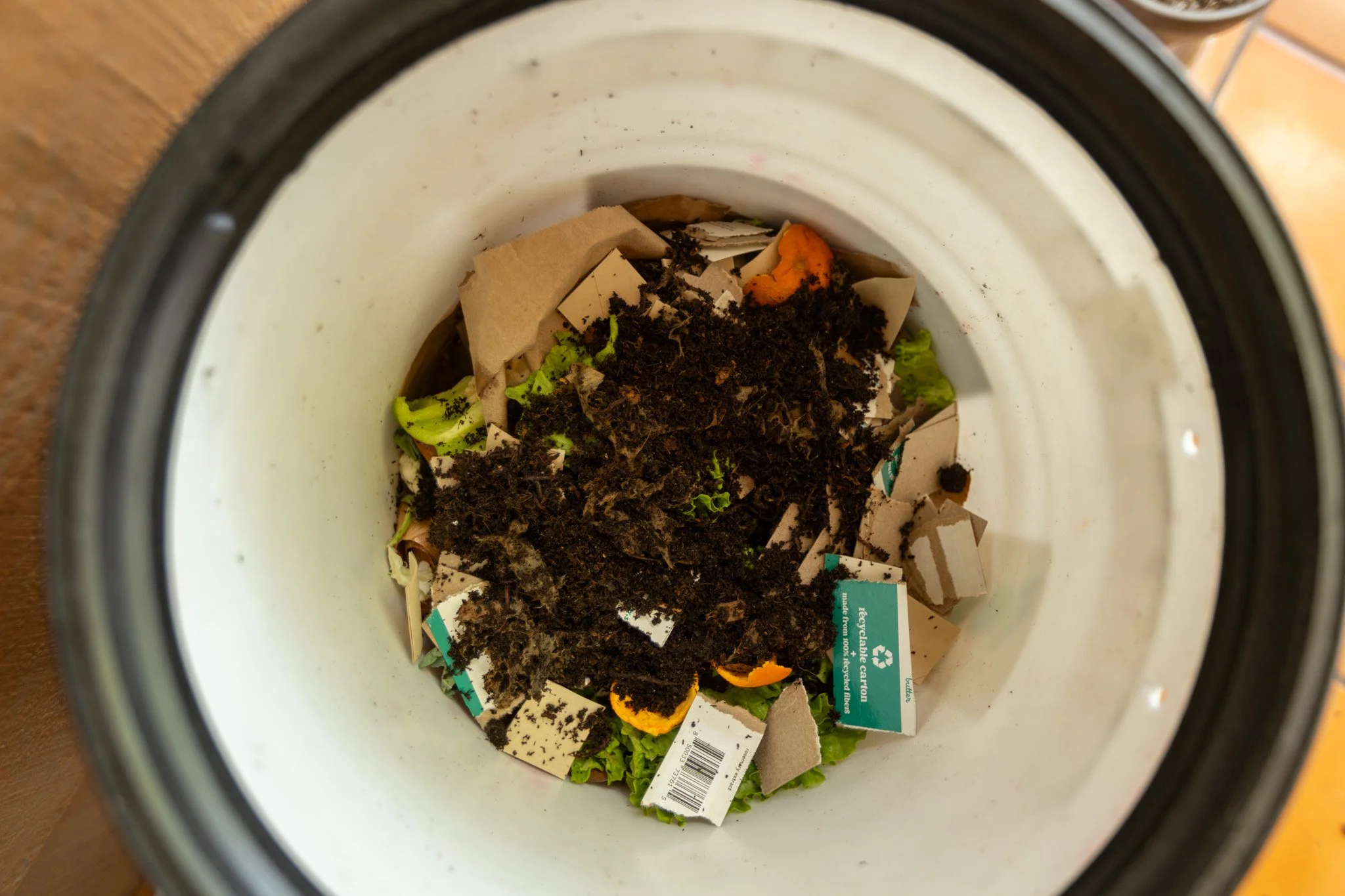
Ask your city if they have free compost and recycling bins and/or pickup.
See if your community has a free community garden and/or compost.
Pick up trash in your neighborhood.
Do a beach or park clean-up.
Quit bagging yard clippings!!! It is SO wasteful to send grass clipping and, twigs, and leaves to the landfill. They will never fully decompose there and instead create methane, a gas 23x more potent than CO2. Instead, leave it where it lies. This will help soil and wildlife health as it naturally breaks down.
Don’t poison mice or other vermin. They enter the food chain, and the poisons can bioaccumulate in predators and lead to death and even species extinction, as we saw with DDT.

That’s it! I hope you enjoyed. Again, let us know your eco-on-a-budget tips below to help this series continue to grow. And you can check out the full series here with nearly 500 ways to live zero waste without spending a single dollar.
As always, remember that your small actions make a big difference in the long run :)
Emma
