
Books That Made Me a Better Environmental Activist
I’m back with even MORE eco and activism-focused book recommendations. This is part 5, so check out parts 1-4 here or just browse my entire list on my website.
Some of these may make you scratch your head…why would an environmentalist recommend this book? Because of intersectionality. Another excellent read that we covered in part 1 was The Intersectional Environmentalist. This book shows you why it’s so important to care about all of these interconnected issues as an environmentalist. From incarceration to tyrannical governments to capitalism, it all impacts the planet and the people who live on it. I hope that these books help you see why we should care about all of these connected issues.
Want to read these books? I highly recommend first checking them out at your local library, physically or digitally through Hoopla or Libby. Want to own the books for yourself? Check out ThriftBooks to get your copy secondhand or buy from the author directly to support them. If you buy through this indie bookstore, I get a small commission at no extra cost to you. Thanks for supporting me so that I can keep this work free for you!
And if you want to read WITH me, join the Eco Book Club! For as little as $1 a month on Patreon or YouTube Memberships, we have discussions and calls via Discord every month to chat about our books. See you over there!
Let’s chat books!
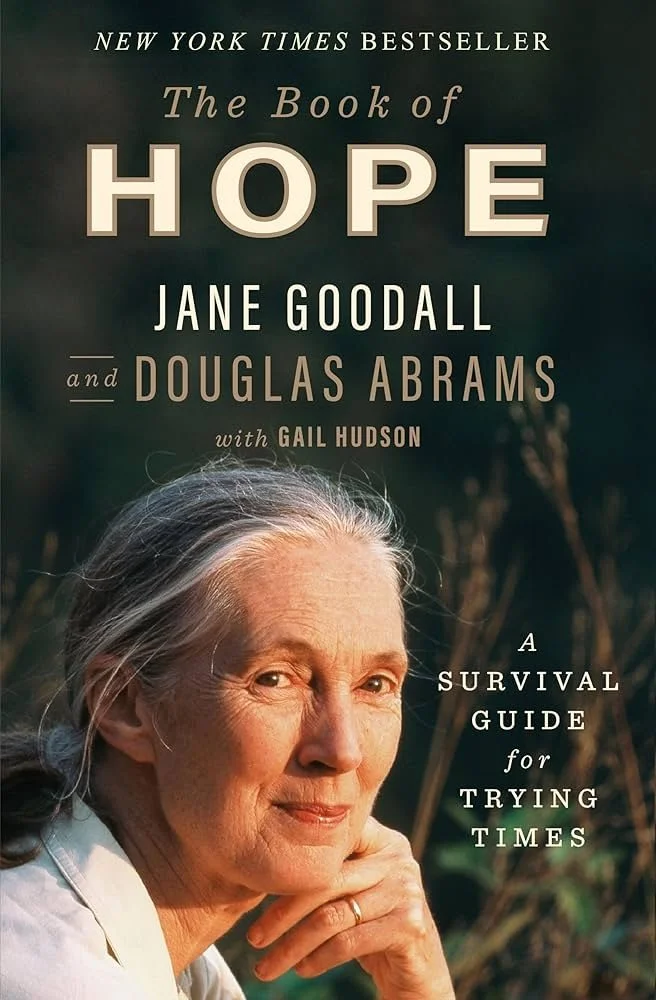
The Book of Hope
By Jane Goodall and Douglas Abrahms
Rating: 4 Stars
An Eco Book Club read from 2025, this was a book we needed during trying times. Acclaimed environmentalist and biologist Jane Goodall sat down as an interviewee with Douglas Abrahms, the author. We read this to honor her legacy after her passing.
Abrahms takes us through Goodall’s life from her stumbling into fieldwork when it was so rare for women to do so to becoming a well-known primate researcher. We get to hear about how she has kept up hope all these years and what hope even means to her as an individual and to us as a society. I was left inspired and hopeful myself.
Though I do feel like it was leaning towards toxic positivity. It’s okay to be sad, anxious, mad, etc about our warming planet. It’s okay to hold hope and fear at the same time, and I feel like that was sometimes dismissed. I think it may be easier to be hopeful when you’re in your 90s versus your 20s.
That being said, it was still a lovely read, and the audiobook was read as a dialogue, so you get to hear Jane say her words herself.
Reign of Terror
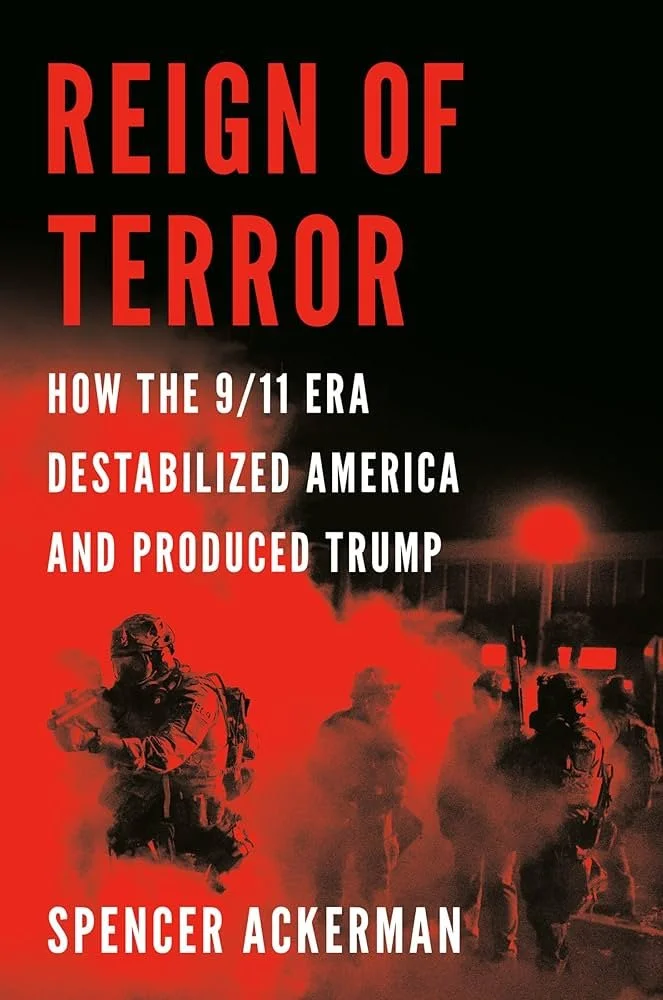
By Spencer Ackerman
Rating: 4.5 Stars
This was one of the books that inspired me to make an entire video about how 9/11 changed the course of climate policy as we know it. Subtitled “How the 9/11 Era Destabilized America and Produced Trump,” this book is extremely important if you want to understand how we got to where we are today politically, economically, and socially.
It was a good listen, but also a hard one to get through. Partially because non-fiction isn’t always the most captivating content, but also because it sucks to hear how this trajectory could’ve been so different.
That being said, we can learn a lot from this book and strive not to let this remain our collective societal path. We can change things and build the future we want.
Learn from analyses like this and keep the hope that Jane inspired in the first book.
Digital Minimalism
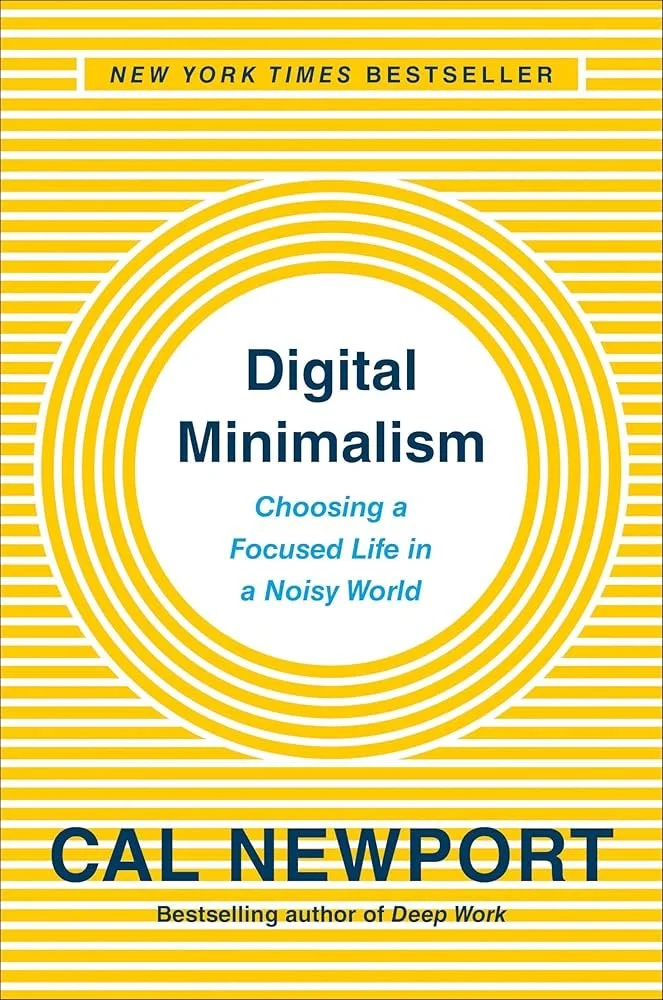
By Cal Newport
Rating: 4 Stars
Want to ditch your phone? Perhaps this is the book for you!
Another Eco Book Club read that we had mixed feelings about.
I thought the author had some great points about how we can minimize our tech usage, especially the phone that we often have glued to us at all hours of the day. He gives a full guide on how to do a tech detox and how to bring tech back into your life in a healthy way.
That being said, here are the downsides from me:
He continuously called it an addiction. Tech reporters and analysts in the 2020s (this book was published in 2019, written before that) say that that is just not an accurate way to describe our relationship with tech. It causes fear around tech that isn’t necessary to add to the fears we already have.
His detox does not account for folks who need tech to survive for things like school, work, medical appointments, accessibility tools, and so forth. It was kind of an “I did it so you can, too” kind of attitude with not much nuance.
Now, this is no fault of the author, but in this day and age, tech is evolving so rapidly. He didn’t even mention AI because AI was hardly talked about 6-7 years ago. I imagine this book would be written much differently in this AI world. Not only that, but COVID hadn’t happened yet, and that really changed how reliant many of us are on tech now that more people work remotely, etc.
It was an okay read, just not really for me. But I did take some of the habits and tips that do work for me and have implemented them to have a healthier relationship with tech!
What if We Get it Right
By Ayana Elizabeth Johnson
Rating: 5 Stars
Dare I say this is the best audiobook I’ve listened to? At least format-wise.
Our author interviews many climate activists, scientists, economists, and the like for this interview-style book that is designed to give us hope and imagine the future we all deserve. We have the climate solutions in mind; we just have to implement them.
What made this book so good was:
The author (who narrated the book) clearly indicated when a footnote was being read. This may sound like the bare minimum, but in many an audiobook I’ve read, this was unclear.
The author also clearly indicated when she was referencing material from the physical book, like an image, a chart, a graph, etc. She then told the listeners where they could find this piece of media to see for themselves.
Every single one of the interviewees read their own responses. It was like listening to a giant podcast conversation. It just felt so cozy and intimate in ways that especially non-fiction audiobooks can miss out on.
It’s a long read, but well worth it. I was left feeling inspired and rejuvenated to keep fighting for our planet.
Note: many of these hopeful books were written/published before 2024…before Trump 2.0. There was much more hope to be had under a Biden administration. I’m not saying he was perfect, but there was at least SOME climate progress and social progress at the time. I admit, it’s harder to be hopeful now, and it’s harder still to listen to these authors be so hopeful now that I know what is to befall them.
Parable of the Sower/Parable of the Talents
By Octavia E. Butler
Rating: 4.5 Stars
Let’s get into some fiction recs, shall we?
Fiction may be fabricated stories, but that doesn’t mean we can’t glean lessons from them. We can especially take away a lot from the works of Octavia Butler.
Written in 1994, PotS takes place from 2024-2027. That hits a little close to home. Californians, it’ll hit closer to home for us, as our main character starts her narrative in SoCal amidst climate change-induced drought, a literacy crisis, large amounts of crime due to poverty, capitalists buying up cities and creating company towns, and more. As a 16-year-old girl, it’s hard for her to have hope for the future.
She’s safe until tragedy strikes, and strikes again, and strikes again. She ends up as a climate refugee, and this sheds light on the reality that many around the globe are in fact facing today. We just never imagine that it will happen to us, on our land.
And I’ll leave it at that!
PotT is the second book in the duology that takes place 5 years after the events of the first book. I don’t want to spoil anything, but give them a try if you want to learn lessons about climate change and politics from fiction!
The Water Knife
By Paolo Bacigalupi
Rating: 2 Stars
Why am I recommending this if I gave it 2 stars? Well, because the climate lessons we can garner from this book are the best parts of the book. It was the narrative structure that I take issue with. And perhaps that’s just a personal opinion; you may like how this story is told!
This dystopia imagines a future in the desert southwest where the exploitation of the Colorado River, paired with climate change, has led to despair. Individuals are killing one another over water. One state kills people in another state over water. Dams are being blown up, as well as water pipelines. People are selling their bodies just to get a bottle of water. It’s bleak, and it’s not that far-fetched a future for the region.I talk more about Lake Mead and the Colorado in this video from when I lived in Vegas.
But boy, was this story hard to follow. The opening chapter had me hooked, but I spent the next 300 pages wondering how it tied into the main story. We don’t find out until the very end, and it felt clunky at best.
There were also so many characters to follow that I couldn’t keep track, and none of them were developed enough for me to have an attachment to or even know. It’s told in 3 POVs, and these 3 characters don’t even meet until most of the book is done.
So maybe give it a try? It’s a super interesting concept of climate dystopia that was thought-provoking, for sure, but not always good thoughts.
Hum
By Helen Phillips
Rating: 4 Stars
Oh look, another dystopia! I think I love dystopia so much because of the lessons that can be learned from it. Plus, I find it fun to imagine all kinds of futures we could have.
This isn’t a climate dystopia, though; it’s an AI/tech dystopia. This book felt like a modern-day 1984.
The book opens with our main character getting facial surgery to ensure that she can’t be recognized by facial recognition technology anymore. This procedure was government-subsidized and provided her with a lot of money. This is important since it’s becoming harder and harder to find a job when AI can do most of the jobs.
She uses this money to take her family on “vacation,” if you can call it that. In this future that is hot and dirty due to climate change, you have to pay to access green spaces. She demands that her family leave their phones and other tech at home to fully enjoy this park. That is, until everything goes haywire and the AI backfires on her.
It has lessons in community, feminism, climate, and becoming too reliant on tech. I’d never read anything like it, and really enjoyed it!
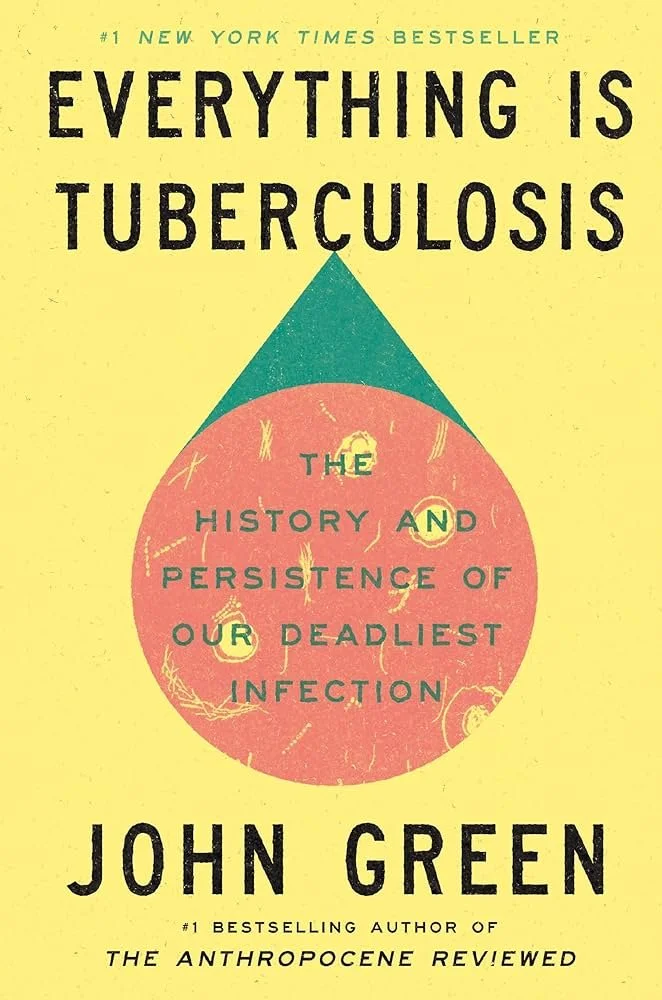
Everything is Tuberculosis
By John Green
Rating: 5 Stars
Alright, back to non-fiction! I’ve read plenty of John Green fiction, especially in my teens. I put this off for a while cause I wasn’t sure it would land with me.
As you can see by my rating, it did!
This book is short and sweet and so informative. I love how he follows the story of this boy he met in his travels and blends it with stories from history and around the globe. It was easy to follow but also kept me from getting bored of random tuberculosis facts.
I thought he did a good job of staying succinct while also keeping it very informative and touching on major issues that still plague the planet today, such as racial injustice, income inequality, and the like. It was very intersectional!
How does this relate to climate change? A warming planet is a breeding ground for disease, especially animal-borne illnesses. Tuberculosis will get worse, as will malaria, Lyme disease, and more.
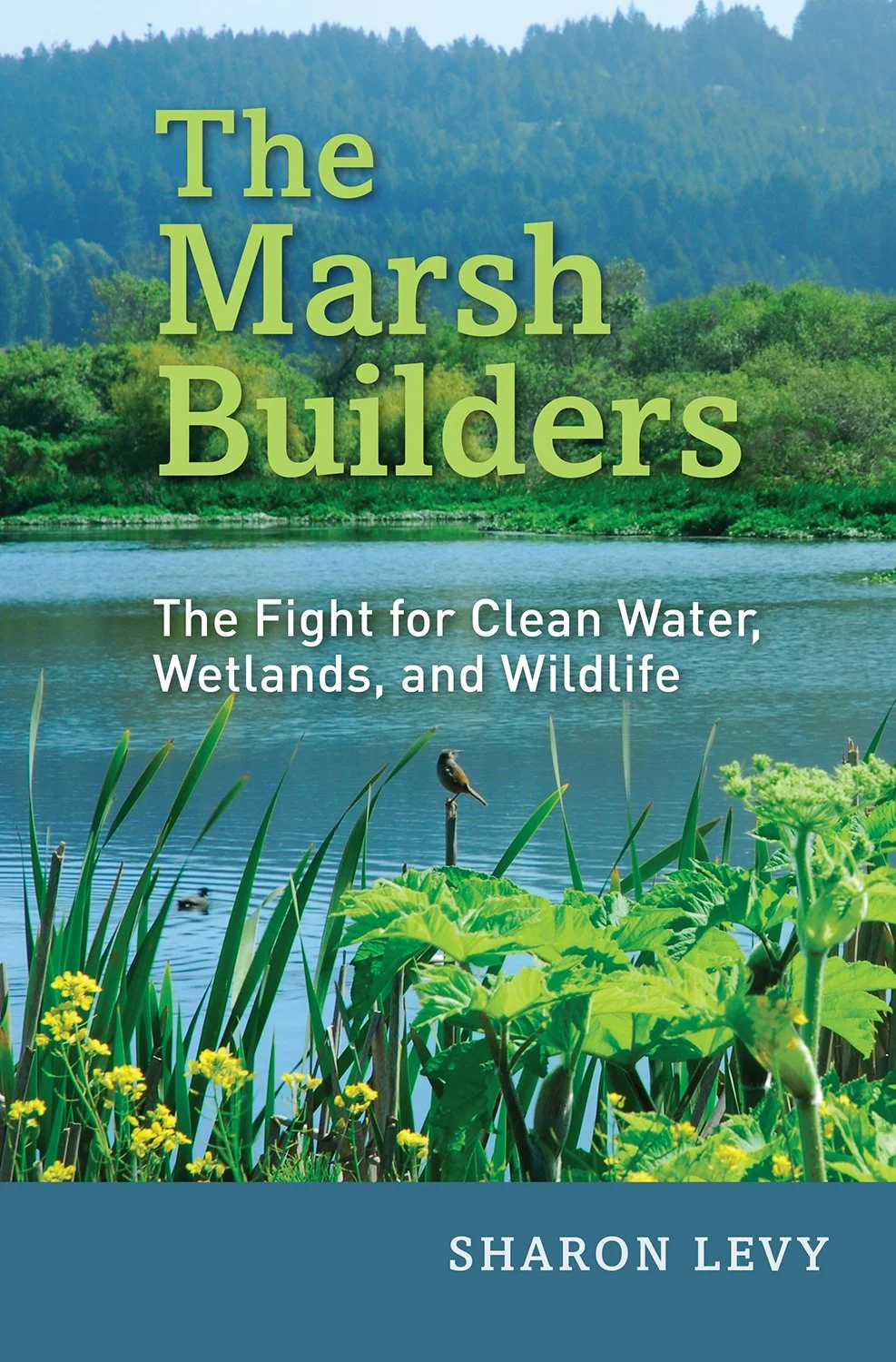
The Marsh Builders
By Sharon Levy
Rating: 4 Stars
Let’s get local! This may be the niche-est book I’ve ever read and also recommended.
I met a woman at a birding event in my area this spring, and she recommended this book to me and let me borrow her copy! I figured I should actually read it. This, too, inspired me to make an entire video for YouTube all about marshlands.
The author covers the history of both human waste management across the globe and our global destruction of marshes and swamps. Both things proved to be extremely harmful to the planet in terms of biodiversity loss and pollution.
When my region needed a new sewage treatment facility in the 1970s, the community stood up and fought back against the expensive, wasteful design the government had in mind. What came of that fight was extreme innovation that changed the course of waste management for the entire world.
The Arcata Marsh was the first in the world designed to restore native wetlands and also treat human sewage at the same time. It proved to be the perfect solution. Birds and other animals returned to the area; it kept down the urban sprawl; it is cost-effective and cheaper than other options; it helps fight against sea-level rise; it provides a green space for the community; it is a carbon sink; and more! It was so effective that scientists and government officials from around the world go there to study and learn in order to implement one of their own. There are now over 6,500 marshes around the world that are used for sewage treatment.
It’s a bit on the dry side, but super important and intriguing. I highly recommend!
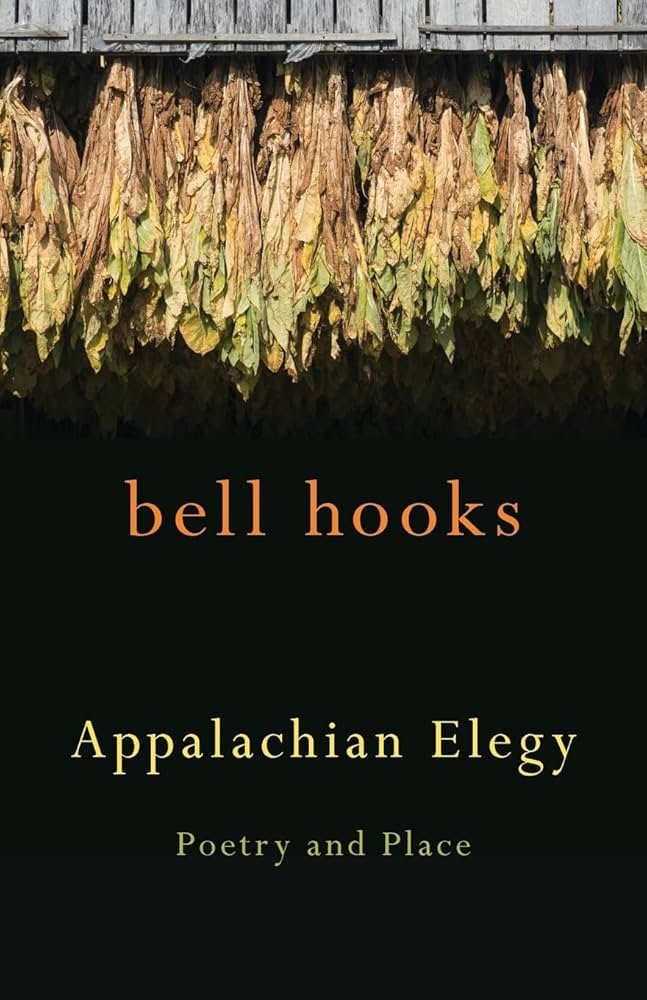
Appalachian Elegy
By bell hooks
Rating: 5 Stars
A work of poetry that teaches us about life in Appalachia. bell hooks explores the marginalization of people, mostly Black folks, in Appalachia and also the environmental degradation of the region that many people don’t know about. I think it so beautifully captures how you can hold multiple feelings for a place, especially your hometown/home region.
bell hooks is a well-known, acclaimed feminist and activist author that I plan to read more of here soon. So stay tuned for more of her books in part 6 of this series!
I also read this book because many Black readers have called out JD Vance and his book, Hillbilly Elegy, and how closely that title mimics this one. It’s especially weird since JD didn’t even grow up in Appalachia, but instead in Ohio, near my own hometown. Not only this, but Vance is apparently releasing a second book entitled “Communion.” bell hooks, too, has a book with the same title. Black readers speculate that this is a form of censorship. When you look up these titles, you will get JD’s book instead of bell hooks’.
Whatever reason inspires you to read this short work of poetry, give it a try! It is beautiful and thought-provoking.
Those are my recs for today. Again, check out parts 1-4 and join the Eco Book Club if you feel so inclined. And don’t forget to support your local library!
As always, remember that your small actions make a big difference in the long run :)
Emma
