

Zero Waste Living Saves me $60k PER YEAR
A zero waste life seems expensive, but it doesn’t have to be! You can live zero waste for FREE. Just watch this playlist with over 450 $0 zero waste swaps and habits.
Now, to be fair, some zero waste swaps are expensive! Things like a reusable water bottle or a bidet, for example, cost quite a bit up front. The catch? They reduce a ton of waste, making your home more eco-friendly. Not only that, since they reduce so much waste, that means they save you a lot of money every day, week, month, year, and lifetime! I’m talking literally $1000s.
This is part 6 of zero-waste swaps that save you money, and I try to pinpoint a precise amount to encourage you to try that money-saving swap and start living sustainably!
Let’s get into it!
E-bike
When you think of saving money, you probably don’t think of buying a brand new bike that costs $1000s. So, hear me out!
There are many brands of E-bikes out there, but I’ve been using Aventon for over 4 years now. Let’s stick with them since it’s what I’m familiar with. Their brand-new bike is the Level 4 REC. I went with this one for the comparison, too, since it’s a commuter bike and the best way to save money with an E-bike is by giving up your car. This bike costs around $1200. That’s steep.
Let’s say you’re torn between buying a car and buying an e-bike, and you don’t already have a car. If you wanted to buy a car, on average, cars are costing around $32,000. Buying the $ 1,200 e-bike would save you over $30,000 and more, since you might not even need to take out a decade-or-more loan.
Now let’s say you already own a car but want the E-bike to become less reliant on the car. On average, every year, Americans spend roughly $2,500 on gas, according to AAA. So even without other factors involved, you’d still save around $1,300 per year with your new bike in the first year. But, cars have other expenses! Consumer Affairs estimates around $1,200 for other car maintenance like oil changes, wipers, and tire changes/rotations.
I hear the haters now…but you have to charge the bike! Well, Aventon estimates that their batteries cost around 10-15 cents. Even if you charged it from 0 to 100% every single day of the year, it would only cost you $35-55 per year. But I can tell you, these batteries last DAYS, and I only charge my Aventon E-bike about once per week.
All that aside, on the absolute low end, an E-bike will save you:
$3,665 per year on the low end (assuming you still own a car, but no longer have to spend money on gas or maintenance, but you spend $35 a year charging your bike)
$29,966 per year on the high end (assuming you didn’t have a car, therefore no gas or maintenance costs to subtract, just the cost of the average car that you avoided having to spend by buying an Aventon E-bike instead)
Huge! Check out Aventon here!

DIY Solar
Forget relying on the government to provide us with green energy; install some yourself! Yes, there’s a renter-friendly option, too!
How much does a full solar system cost for homeowners?
Well, it will depend on which providers are available in your area and how big of a system you need to install. Solar Reviews estimates it’s around $22,000. Steep! But many states offer you incentives for going green. In California (sorry, I can’t go over all 50 states), there aren’t a ton of incentives because getting energy from the sun is already cheaper than paying PG&E for fossil fuel energy. But you can save a couple $100! Plus, Energy Sage estimates that solar energy in California every year (compared to fossil fuels) saves $1,500 to $2,300.
How much does a small solar system cost for renters?
Renters! There is a solar option for you, too…as long as you have access to the sun. I don’t, unfortunately. My balcony is shaded 24/7. But if you have a sunny balcony or somewhere else to put this small solar system, consider trying one out from Bright Saver. Or, maybe you’re a homeowner on a budget! This small unit costs $300-500 depending on any active sales, membership status, and size that you go with.
They even have a handy calculatorfor your ZIP code to see how much you’ll save. I would save around $90-236 per year for my area, meaning I could pay off the solar panel in just two years.
While solar is expensive up front, every year you could save anywhere from $94-2300!
Switching to a Green Energy Provider
If you’re like me and can’t install solar or even use temporary setups, try switching to a green energy provider! I’m aware that this won’t be available to everyone. Alas, I only have one choice for energy: PG&E. They have a near monopoly in California, and it’s infuriating.
Again, your savings here will vary on your choices and the type of green energy that is available to you.
Forbes estimates that Coal and natural gas cost around $0.06 to $0.11 per kWh while wind and solar average between $0.03 and $0.04 per kWh
The average American household uses about 10,500 to 10,800 kWh of electricity per year. This breaks down to roughly 875 to 900 kWh per month, or about 29 kWh per day, according to the US Energy Information Administration.
Let’s break that down:
For fossil fuels, that would cost around $630 - $1188 per year
For green energy, that would cost around $315 - $432 per year
That would make your savings around $315 to $1056 every single year by switching to your local green energy provider!

Rain Barrel
The more aesthetically pleasing way to catch rainwater is by installing a fancy rain barrel. This attaches to your gutter and should be renter-friendly. Though not the cheapest. Most hardware stores sell them anywhere from $ 90 to $ 150. Though you know what’s coming by now, the savings will vary depending on where you live. It will depend on the cost of your water bill, how big your rain barrel is, how much rain you get per year, and so forth. But Aqua Barrel estimates that catching rainwater typically saves the average household $20 to $60 per month during the dry summer season, or about $200 to $500 annually
Alternatively, do what I did when I lived in Las Vegas: set buckets out when it rains! I found our entire collection of buckets in the garbage, so they were free! This way to catch rainwater costs $0 up front and yields the same savings as a rain barrel. Though it may require more labor and effort for you to put them out yourself.
In your first year using a rain barrel, you will save $110 to $350, but every year after, you’ll save the full $200 to $500. Using free buckets yields only the full savings.
NOTE: Yes, catching rainwater is legal! Check your state’s rules. You may have to report what you catch.

Reusable Gift Wrap
This isn’t the world’s most wasteful thing since, culturally, we only give gifts a few times a year, and most of it is made out of paper anyway. Though not all of it! Much of it contains traces of plastic. Even if it’s 100% paper, it’s still better to reuse. Plus, you buy it once, and it lasts an entire lifetime, which helps save you and your family plenty of money over the years. But just how much?
Based on how much is thrown away per year, waste company Ridwell estimates that each family uses around 4 rolls (40 yards) of wrapping paper every year. That’s $4.75 per roll on the low end from brands like Target (20 yards per roll) or $10 from eco brands like Wrappily (approx 3 yards). That would cost you around $10 - $130 per year. The cheap option here may cost less than the reusable option, but it’s the most wasteful!
There are many ways to do reusable gift wrap:
Buy a tote bag to put the gift in that serves as a gift
Wrap the gift in a tea towel or blanket that also doubles as a gift
Make your own out of old bedding
Get reusable drawstring bags that serve only as gift wrap
and more!
Here are several optionsthat range from $5-10. Super affordable and costs less than or the same as even the cheapest disposable option. So in year one, you’d save $0 - $120 and every year after you’d save $10 - $130!

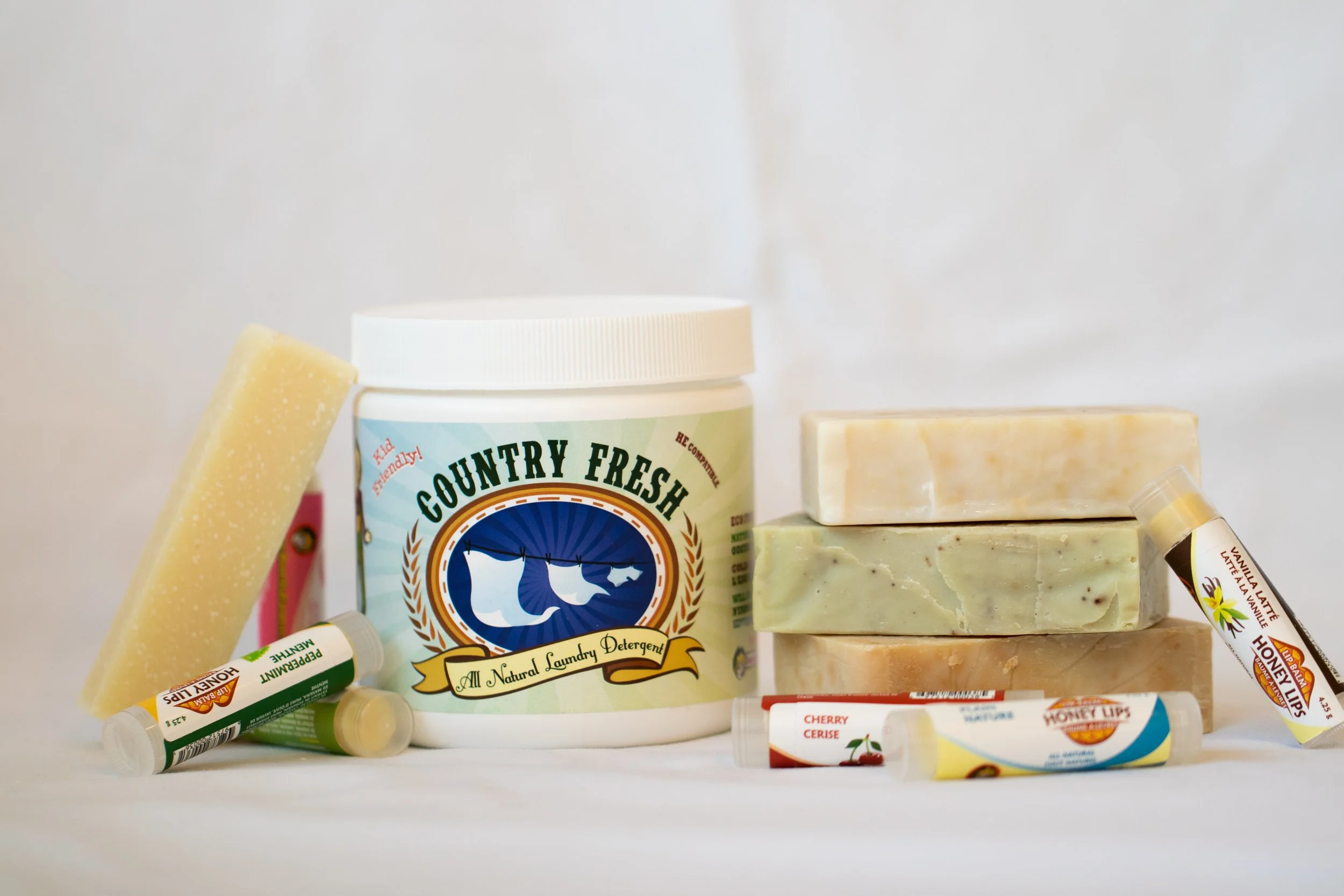
Shampoo Bar
You’ve probably heard that a shampoo bar saves you money (and tons of waste), but just how much, to be precise?
They cost $15-16a piece on Earth Hero. Sounds steep! Earth Hero claims that “one bar will replace 2-3 plastic bottles and provide 75+ shampoos.”
Let’s say you normally buy the affordable Dove brand from Target, which costs around $5 a bottle. You would need to buy 3 bottles to equal the cost of one shampoo bar. But one bar = 3 bottles, so the price would actually be the same!
But let’s also look at a more eco-friendly option from brands like Native. Still in plastic, but a bit better for the planet. Though much more expensive at around $10 per bottle. 3 bottles would cost $30, which is double the price of one shampoo bar, which would last just as long.
The average American uses 10 bottles of shampoo per year. 10 bottles of Dove would cost around $50 per year, and Native would run you about $100 per year.
The amount of shampoo bars would be around 3-5 per year. That would cost $45 to $75 per year. The savings aren’t huge here, but it’s still $5 - $55 per year!
Now double that for conditioner and triple it for body wash. That would make it $15 - $165 saved per year from the bottles you replace in your shower with bars.
DIY Dry Shampoo
Dry shampoo is super handy but also super wasteful. I haven’t purchased any in probably 8 years or so…I make it myself with common (and CHEAP) household ingredients.
You just need some baking soda, cornstarch, and maybe a touch of cocoa powder for color so that it doesn’t look too white in your hair. I eyeball my measurements, but this blog suggests 1 tbsp of cornstarch (or other starch like arrowroot or corn) and 1 tbsp of baking soda. Then add cocoa to your desired color.
I would be willing to call this free since these are already things I already have in my home. But just to be pedantic, cornstarch from Walmart runs about 17 cents per ounce. 1 tbsp is equal to half an ounce, so 8.5 cents per tbsp. Walmart says baking soda costs around 19 cents per ounce or 9.5 cents per tbsp. That’s a whopping 18 cents for 2 tbsp of dry shampoo. This is 1 oz of product. 2 oz would cost you 36 cents.
On the other hand, eco options like Fat and the Moon from Earth Hero cost $18 for just 2 oz of product. But if you’re used to buying the wasteful option, Walmart sells dry shampoo, too, for $1-2.36 per ounce or $2-4.72 per 2 oz.
Every time you make this yourself, even if it’s just once a year, saves you $1.64 - 17.64.

French Press
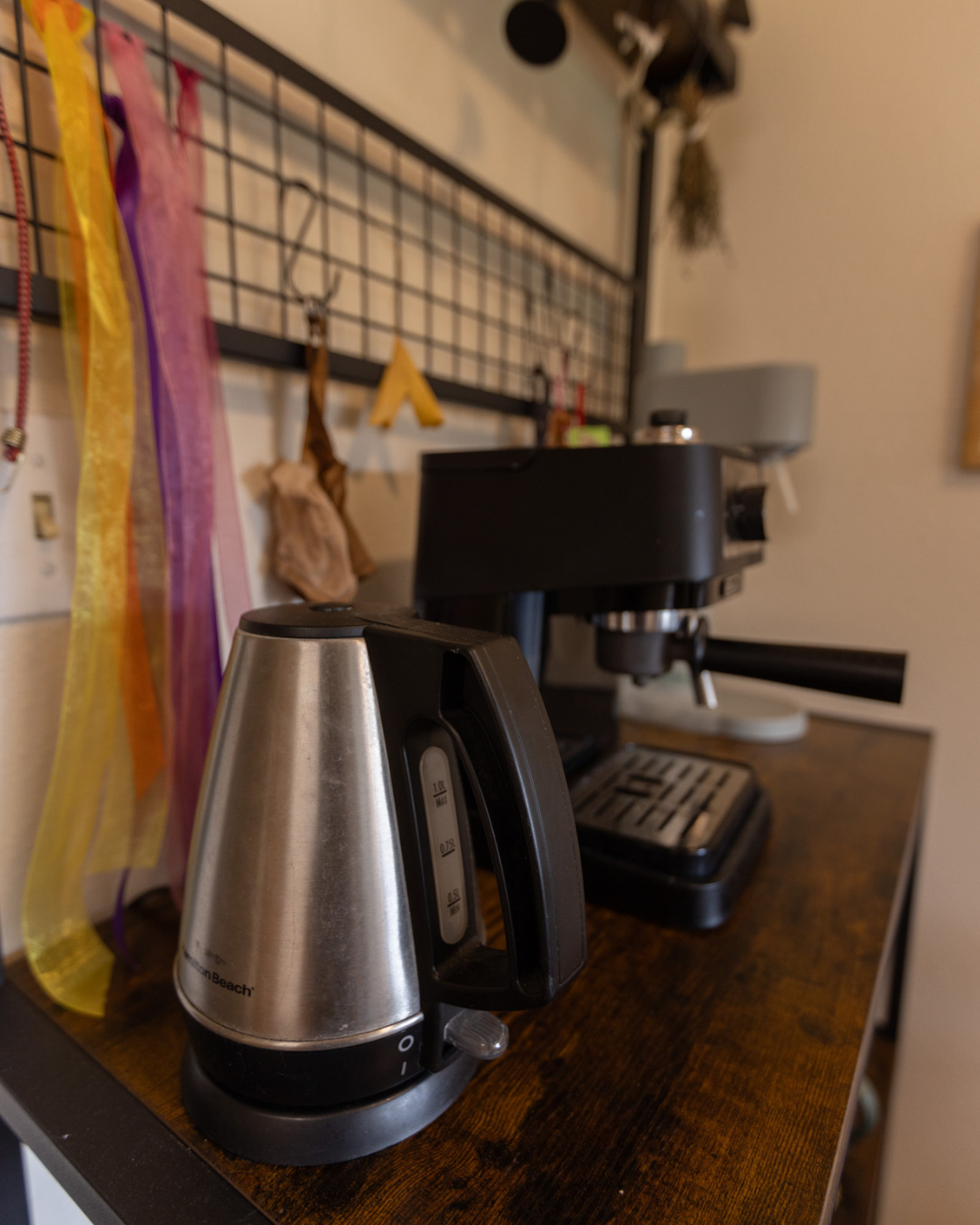
We’ve covered other ways to make coffee in this series, but for some reason I glossed right over what I think will be the most cost-effective…not only for coffee, but you can make loose-leaf tea in a French Press, too!
I got a French Press secondhand when I lived in Japan for around $20. A quick glance at OfferUp shows a variety of options from $ 10 to $ 30 secondhand. But even new, you can get a French Press for as low as $20 from Ace Hardware or more high-scale options up to $150. Let’s assume we’re all going the cheap route.
When you buy a French Press, you no longer have to buy:
Coffee filters: assuming you use one per day, 365 coffee filters cost around $5-10 per year
Coffee pods: if you use 365 Keurig pods per year, that would cost around $200 - $275 per year
All you have to buy is beans and just use whatever water you were previously using!
So, depending on your preferred method, a French Press can save you $5 - $275 per year on the low end since we didn’t even factor in other uses of the French Press.
Preventing Food Waste
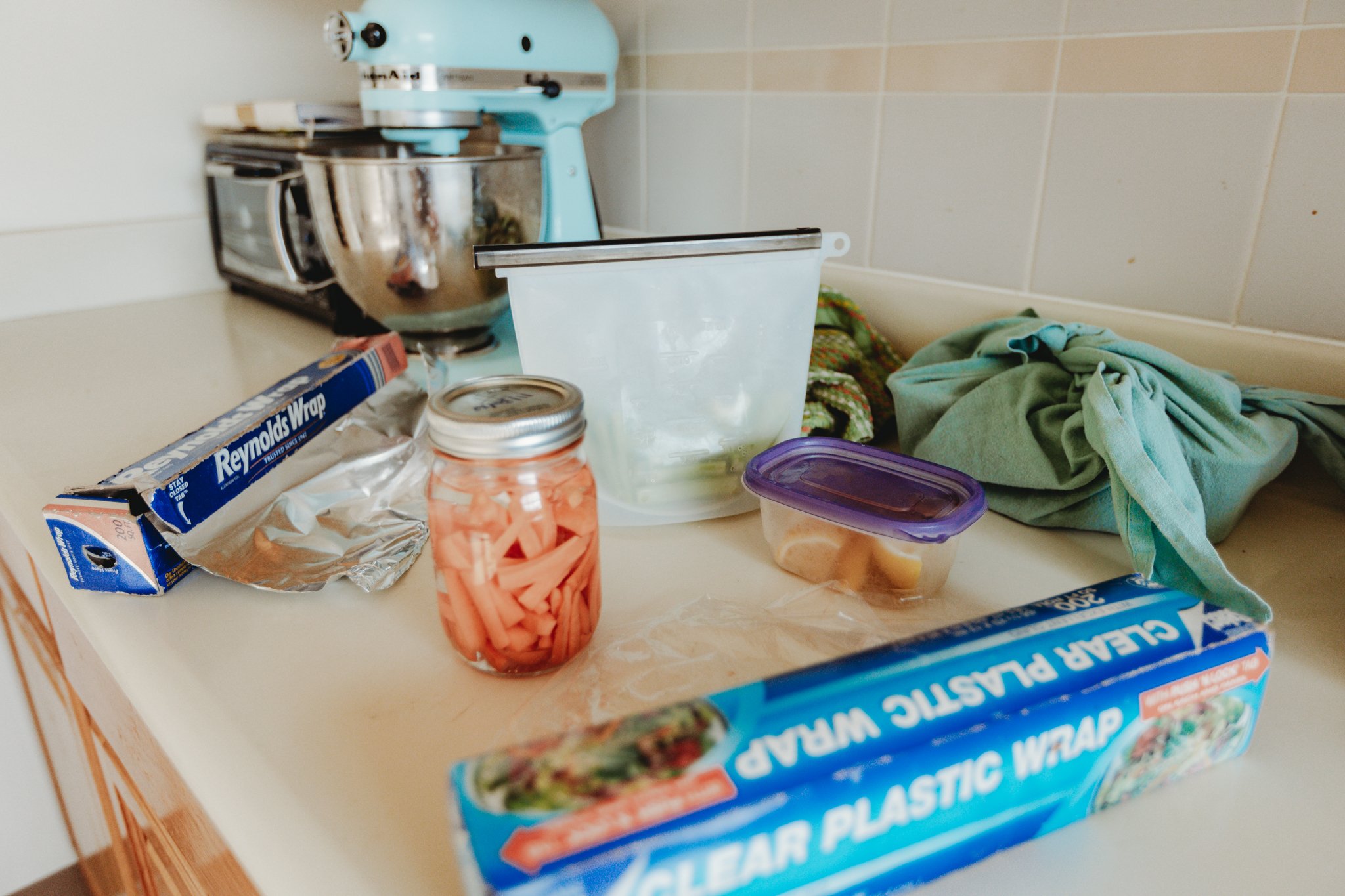
I’ve gotta admit, this one is going to be hard to quantify. It depends on how much you prevent, how you prevent it, and how much food costs in your area. But here are just a few ways that I avoid food waste regularly that may inspire you, and I’ll do a rough calculation at the end:
Brown bananas NEVER get thrown in the garbage. I’ll make banana bread for a food-waste fighting dessert or freeze them in chunks for later use.
Half bags of spinach go right in the freezer with all the water squeezed out. They’re perfect for soups this way. Actually, I’ll freeze just about anything that I’m either not going to use right away or is on the brink, like a bruised apple, a wrinkly bell pepper, half a head of cabbage, you name it.
Half-used cans of tomato paste, adobo, pasta sauce, etc get frozen in portions to reuse later
I store produce correctly to help it last as long as possible (if you want more info, let me know; I’m happy to make this a dedicated video)
I make a grocery list and stick to it to avoid over-buying
I move old items forward in the fridge/pantry to ensure it’s eaten before expiry
Any scraps that do go bad or can’t be eaten, like an orange peel, get composted to be turned into free soil!
I eat parts of the fruit and veg you may not think to otherwise: broccoli stems, cauliflower leaves, carrot greens, and more!
Even compiling my list still makes the math hard, so let’s rely on the US EPA. They estimate around $728 in savings every year by being mindful of buying only what you need and getting creative with food waste!
Stop Washing Clothes so Much
I know, this one may be a bit gross. I’m not saying to never wash your dirty underwear or workout clothes again; I just urge you to think before you wash. If you wore a sweater to your one-hour church service and changed when you got home, is it really dirty? If you wore a jacket overtop of another shirt, is the jacket that never touched your skin really dirty? If it’s winter and you’re not sweating, could you rewear those pair of jeans for a second or third time?
This will save a lot of energy, water, and detergent by running fewer loads per week and per year. Not only this, but washing and drying your clothes in the machines, especially on high heat, damages the clothes. It fades them and wears them out, meaning you have to replace them faster the more you wash them.
This, too, is hard to quantify. It depends on how much your water and energy costs are, whether you use a laundromat, how much your detergent costs, and how many garments you do this with.
Happy Nest estimates the following amounts per load:
Water: $0.08 – $0.20 (based on standard vs. high-efficiency machines)
Electricity/Gas (Washer): $0.04 – $0.15 (significantly higher if using hot water)
Electricity/Gas (Dryer): $0.32 – $0.41 (dryers are highly energy-intensive)
Supplies: $0.25 – $0.65 (detergent, fabric softener, dryer sheets)
Adding all of this together, if you reduce your laundry by 1 load per week (52 times a year) you’d save $50 to $105. Even cutting 1 load per month would still save $12 to 27 per year.
On the other hand, if you use a laundromat, as I do, it estimates $4.75 to $9.75 per load. Cutting 1 load per week would be $250 to $500 per year. Even cutting just 1 load per month is still $62 to $125 per year!
There are many different estimates here, but they’ll save you $12 - $500 per year!

Grant Total Savings
Okay, it’s time for the grand total of part 6!
E-bike: $3,000 - $30,000
Installing solar: $90 - $2,300
Switching to a green energy provider: $315 - $1056
Catching rain water: $200 - $500
Reusable gift wrap: $10 - $130
Shampoo (and other) bars: $15 - $165
DIY dry shampoo: $1.64 - $17.64
French Press: $5 - $275
Preventing food waste: $728
Washing your clothes less: $12 - $500
TOTAL: $4,376 - $35,671.64
Now let’s add back in the 50 swaps from the previous posts for a GRAND TOTAL savings of:
Part 1: $1415 - $2359
Part 2: $951 - $2995
Part 3: $731.60 - $2942
Part 4: $1271.86 - $1897.90
Part 5: $3515.60 - $20,206.23
Part 6: $4,376 - $35,671.64
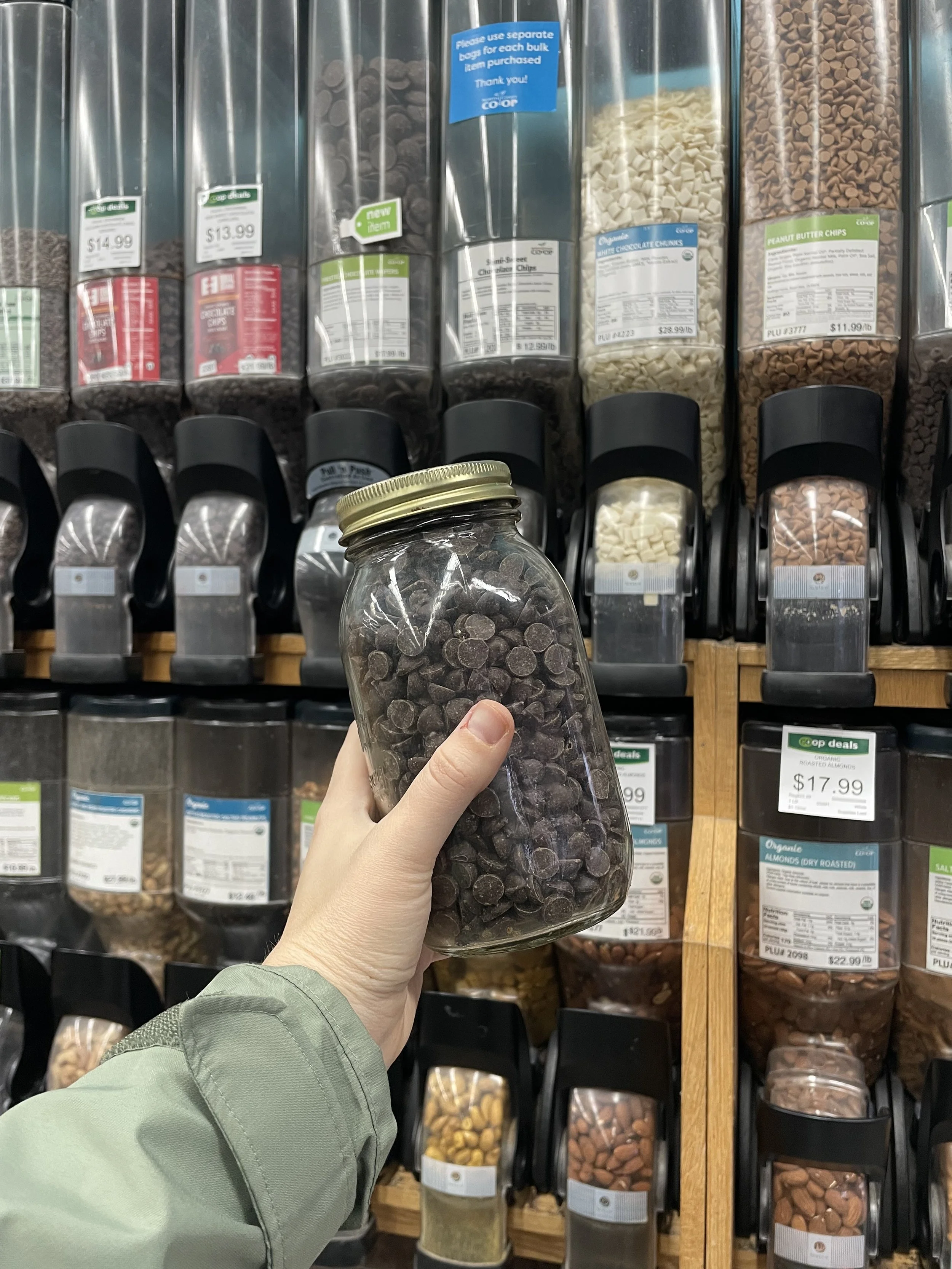
GRAND TOTAL for these 60 swaps: $12,261.06 $63,129.77
The next time someone says zero waste is too expensive, send them this! Even on the absolutely LOWEST end, you’re saving $12,000 per year! That doesn’t even include all of my free ways to live low waste that you can check out here. These, too, save so much money.
Thanks for reading. I hope you learned something and feel inspired to try a low waste lifestyle after this.
As always, remember that your small actions make a big difference in the long run :)
Emma
