
What are the 7 R’s of Sustainability
Reduce, reuse, recycle. You’re familiar with the old adage, I’m sure. But there are more “R’s” that define sustainability! Let’s chat about them today and why they are in that order of importance.
What are the R’s of Sustainability?
We all know the classic 3: reduce, reuse, recycle.
But there are more! Other R’s you might hear are:
Refuse
Rot
Rethink
Repair
Repurpose
That’s a lot! Let’s quickly define them and also talk about the order in which you should apply them to your life to have the most sustainable impact.
Rethink
The first step in living a more sustainable life is thinking through your purchases. Ask yourself:
“Do I really need this item?” If the answer is yes, “Can I find it package-free or in a more sustainable packaging?”
Not only this, but also thinking through how far that item may have shipped, is the brand a small business or a mega corporation, can it be purchased from a local store instead of a large chain, and so forth. Every aspect of that item has a footprint, not just its packaging. So look to the big picture of each item you buy.
It’s a lot of work, but once you do the research once, you don’t have to do it again. Just make that purchase again when the time comes. You can also read reviews and watch videos from people like me who deep dive into common eco brands to help you make educated purchases based on quality, efficacy, and sustainability.
But at the end of the day, the most sustainable thing is the thing you already own. Use what you have before buying new!
Refuse
We live in a culture of overconsumption. Learn how to break up with overconsumerism here! The most sustainable thing to do, as I just said, is to use what you have. The second most sustainable thing is to refuse to buy things that you don’t need. Think through your impulse purchases and see what you can do without!
Obviously (I hope it’s obvious, at least) buy things you need for survival: food, medicine, water, shelter, and so forth. And I’m not here to say that certain items that are “wants” and not “needs” should be withheld. This is really just an exercise in thinking before you buy and learning to not give in to impulse purchases. Take time to think and ask some of these questions:
Do I already have something at home that fills this role?
Where will I store this item?
How often will I use it?
What will I use it for?
How long have I wanted this item? (If it’s just been a few minutes, give it time. If you’ve thought about it for days or weeks, it’s probably going to add value to your life.)
What value will this bring to my life?
What will I do with that item when it no longer serves me?
Another old saying that will be helpful with this R is: "Use it up, wear it out, make it do, or do without.” Popularized during the Great Depression, it’s still a good motto to use in the eco space!
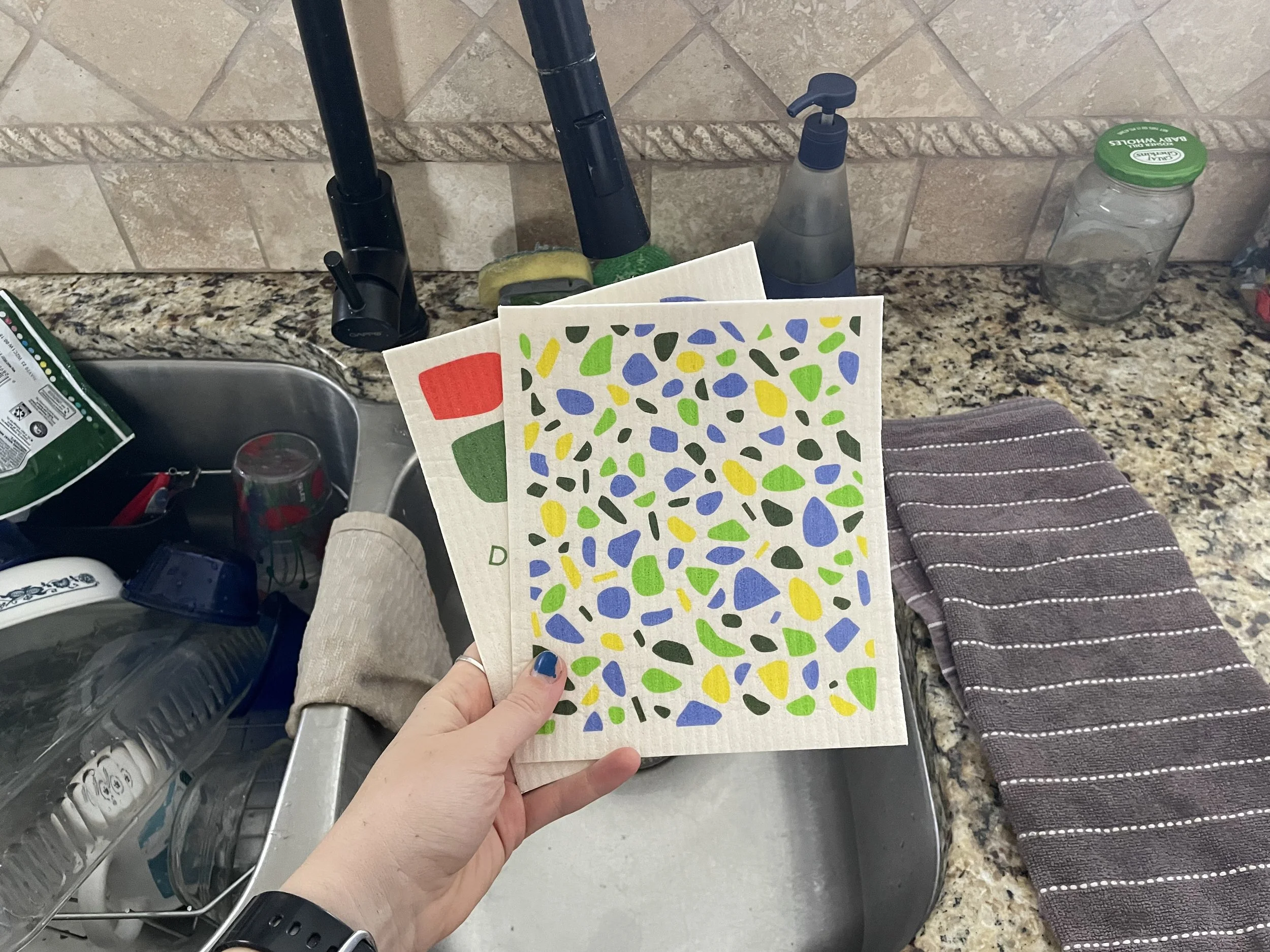
This also looks like saying “no” to things out in public. When offered a straw or napkin at a restaurant, it’s okay to say no. When at an event and someone wants to hand you a brochure that you know you won’t read, it’s okay to say no.
Reduce
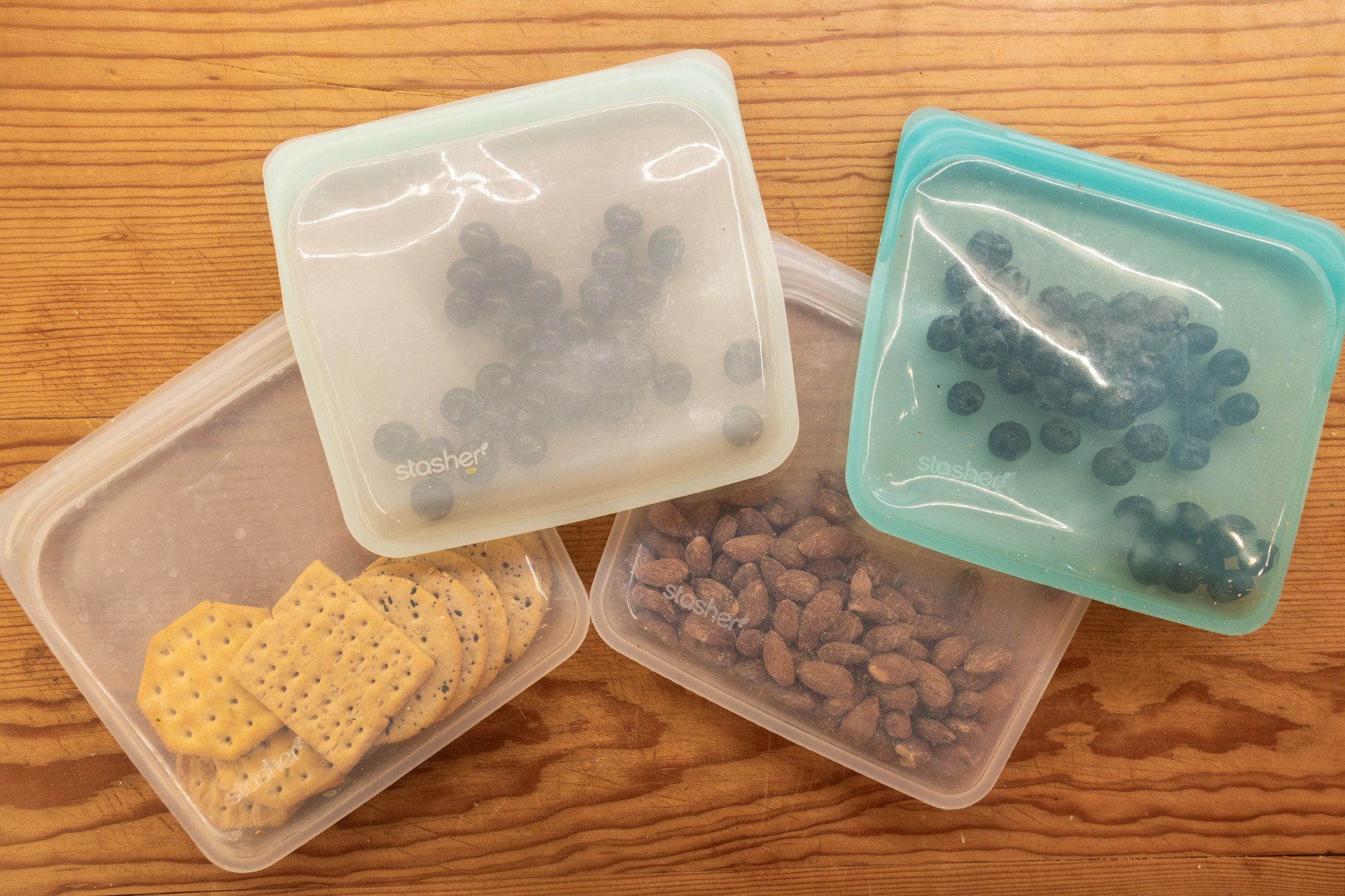
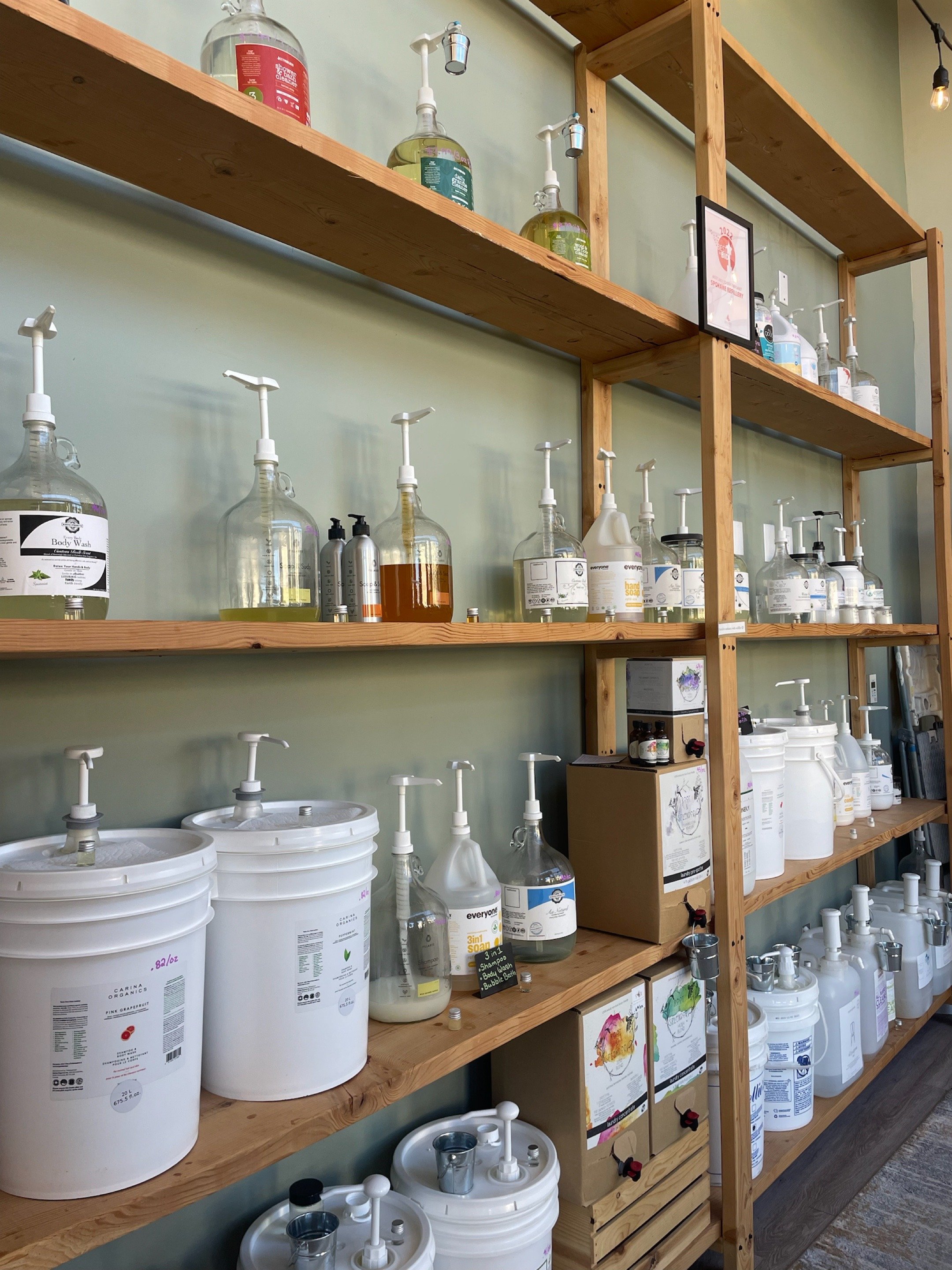
If you can’t give up an item completely, try using less of it! We are often overusing things in our homes, which leads us to consume more and more of them. This can be environmentally wasteful and a waste of money!
Try using one less square of toilet paper, taking a shower that’s 30 seconds shorter than normal, using an actual serving of laundry detergent, and many things along those lines. As you go through the motions of taking care of yourself and your home, see what you can reduce along the way.
For me, “refuse” is all about things I DON’T need, while “reduce” is about things I DO need in order to live. I just use the correct amount to help the product’s life stretch in order to reduce resource usage.
Reuse
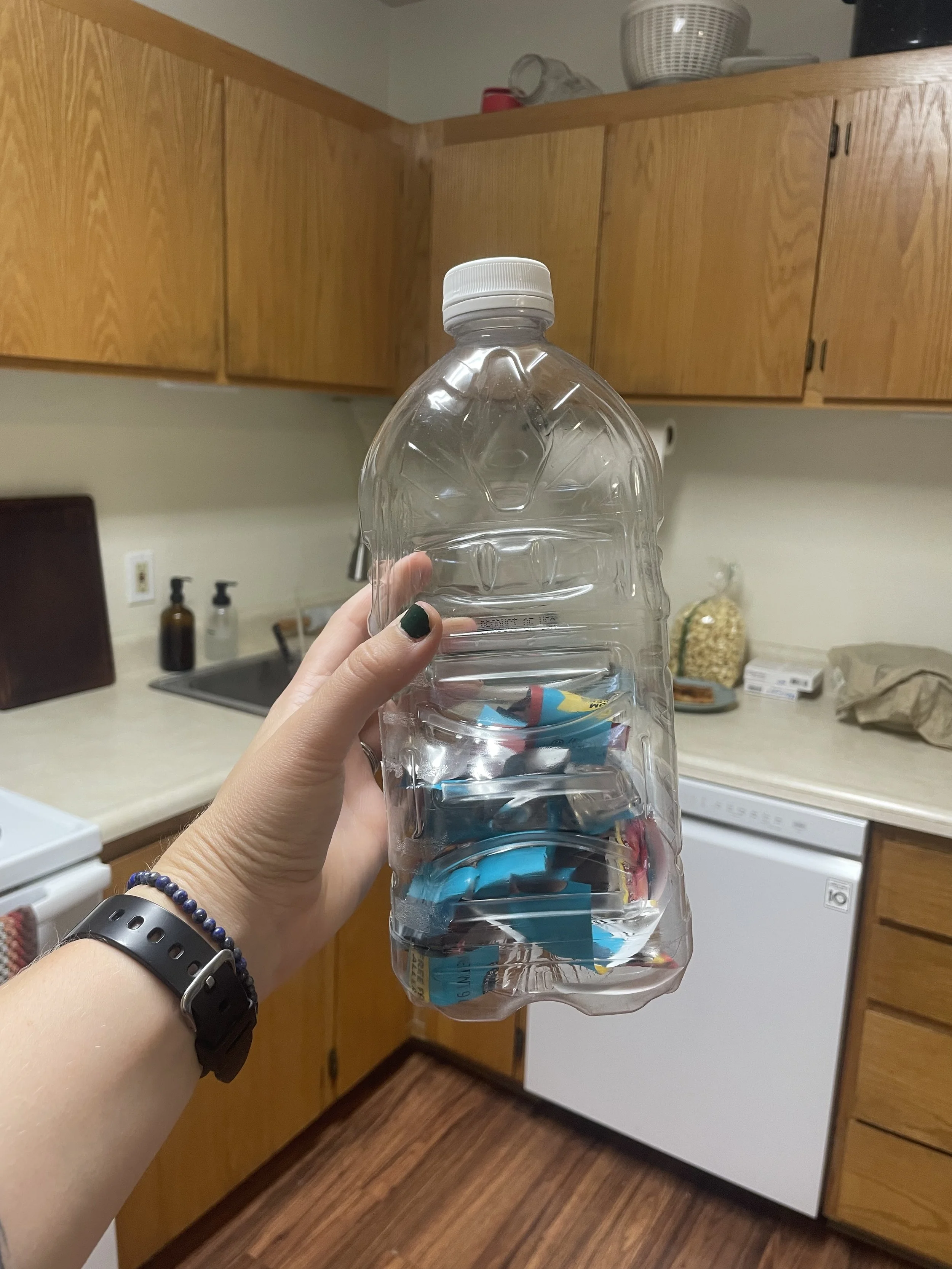
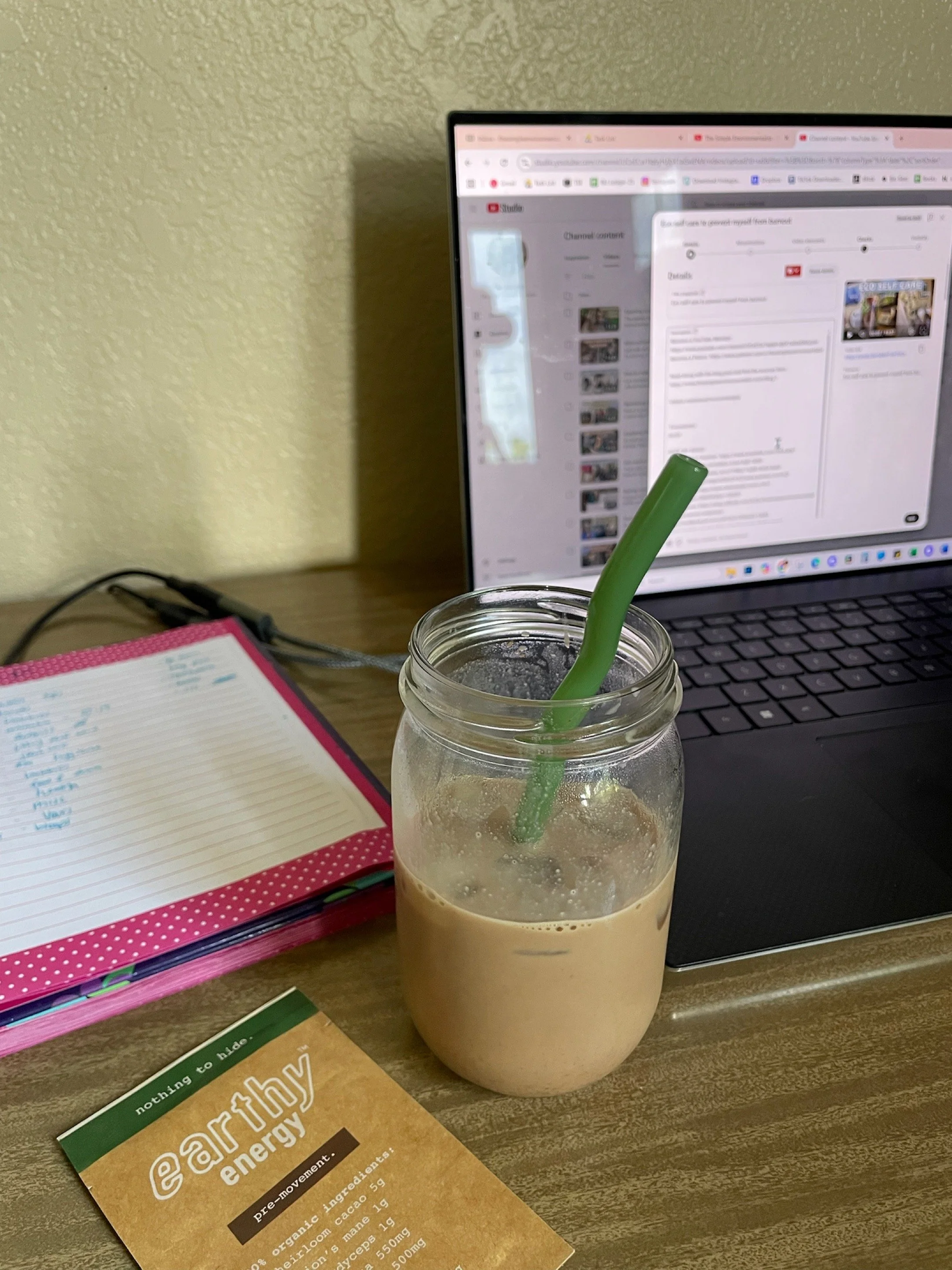
As the items in your life start to come to an end, see if there are any ways to reuse them! We will be talking about repurposing next, which is slightly different. To me, reusing is literally using that item again for the same or a similar purpose, such as:
Cleaning out an old jam jar to reuse as a clean jar somewhere else in my kitchen
Taking a scrap piece of paper to write a to-do list on
Using old yogurt or hummus containers to organize craft items in
Saving that shipping box to send my own package in
And things of that nature. There is a ton of overlap with reusing and repurposing, so don’t sweat the precise definition. Both focus on finding a way to keep that item around instead of disposing of it.
Repurpose
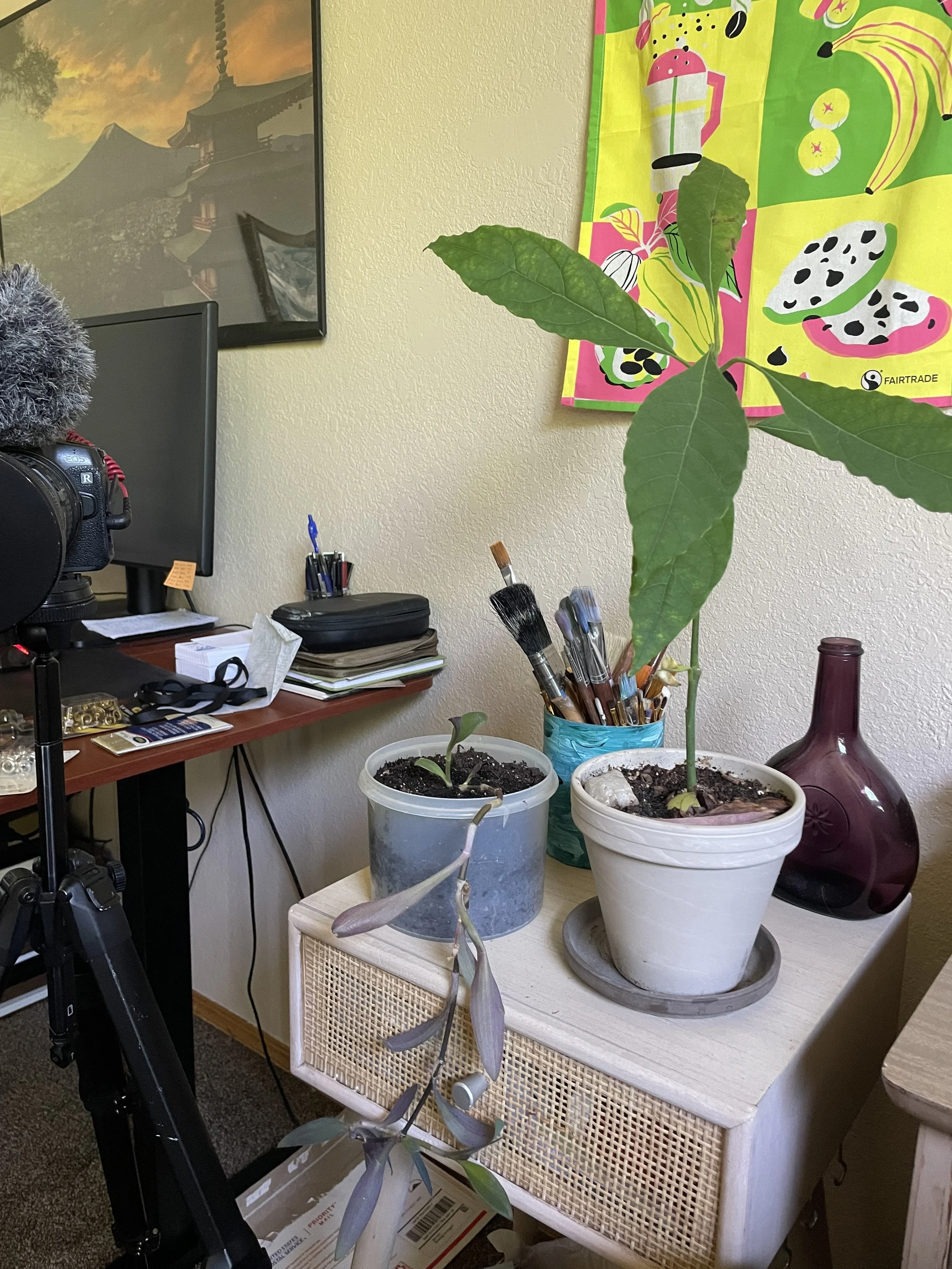
That being said, what is repurposing? To me, repurposing is using that item again, but in a new way. It’s quite the same as upcycling! It’s still keeping that item out of the landfill, but maybe instead of reusing that old yogurt container as a container, you turn it into a plant pot! Some other ideas from my home are:
Saving tape cardboard circles to make a paintbrush holder
Making my own makeup remover pads out of an old pillow case
Damaged cutting boards are fun to paint on to make wall art
Hummus container lids make great drip trays for house plants
Damaged clothing and fabric scraps can be reused to stuff furniture or stuffed animals
You get the idea. It’s taking something that otherwise should be trash and finding a new way to give it life in your space!
Repair
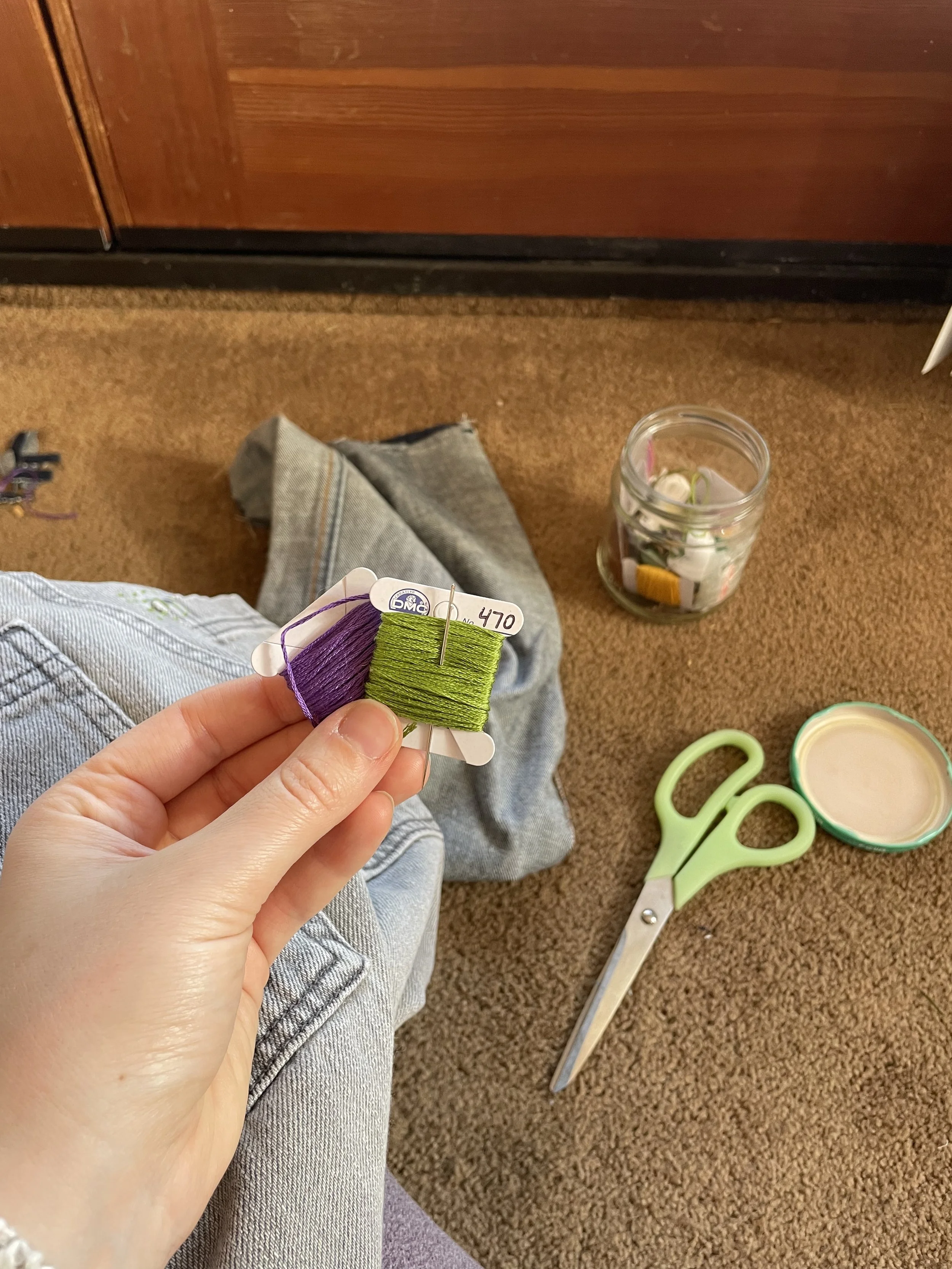
If you have damaged, stained, or otherwise “ruined” items, find a way to repair and mend them. Some repairs are easy: adding a button back on to your favorite pair of pants, sewing an armpit hole shut in your pajamas, dyeing a stained shirt, or tightening up loose table legs with a screw driver. These are all great ways to keep these items around and save money by not having to throw them away and buy a new one.
Though some repairs are beyond our skill level. What then? Hire someone to help you! I recently got a rip in a nice pair of pants. The fabric was something I had never worked with before, and it ripped right where the pocket met the seam. It was beyond my skills, so I took it to a tailor, and they were fixed up good as new for just $10! Same with anything major, such as a refrigerator, computer, or vehicle that you don’t have the skill for or the time to learn how, have someone else repair it!
It makes sense that we repair more expensive items like a cracked smartphone, but what if we treated all of our items this way, as valuable and worthy of repairs? Let’s do more repairing and less buying new!
Of course, there is a line. Sometimes you repair a sock so many times, and you just can’t repair it anymore. Let’s talk about recycling here in a bit!
Rot
Sounds gross, but it’s just compost! The movement just needed to give it an “R” name to make it fit into these other R’s! We need to avoid food waste in the landfill as much as we possibly can. You can learn more in full here, but in short, food waste creates methane gas, which is far more potent than CO2. It’s a major greenhouse gas that’s easily prevented from composting. Methane is not created in compost settings!
Composting is likely easier than you may think it is. You can set one up yourself or use a service to do the work for you if you simply don’t want to compost or don’t have the time/space. You can learn more about the 12 ways that everyone can compost here.
You put your food waste in a pile, bin, or in a commercial compost and let the magic happen! Instead of methane GHGs, we get “black gold,” nutrient-rich soil. It’s literally the process of returning food waste to the earth. And, hey, free fertilizer!

Recycle
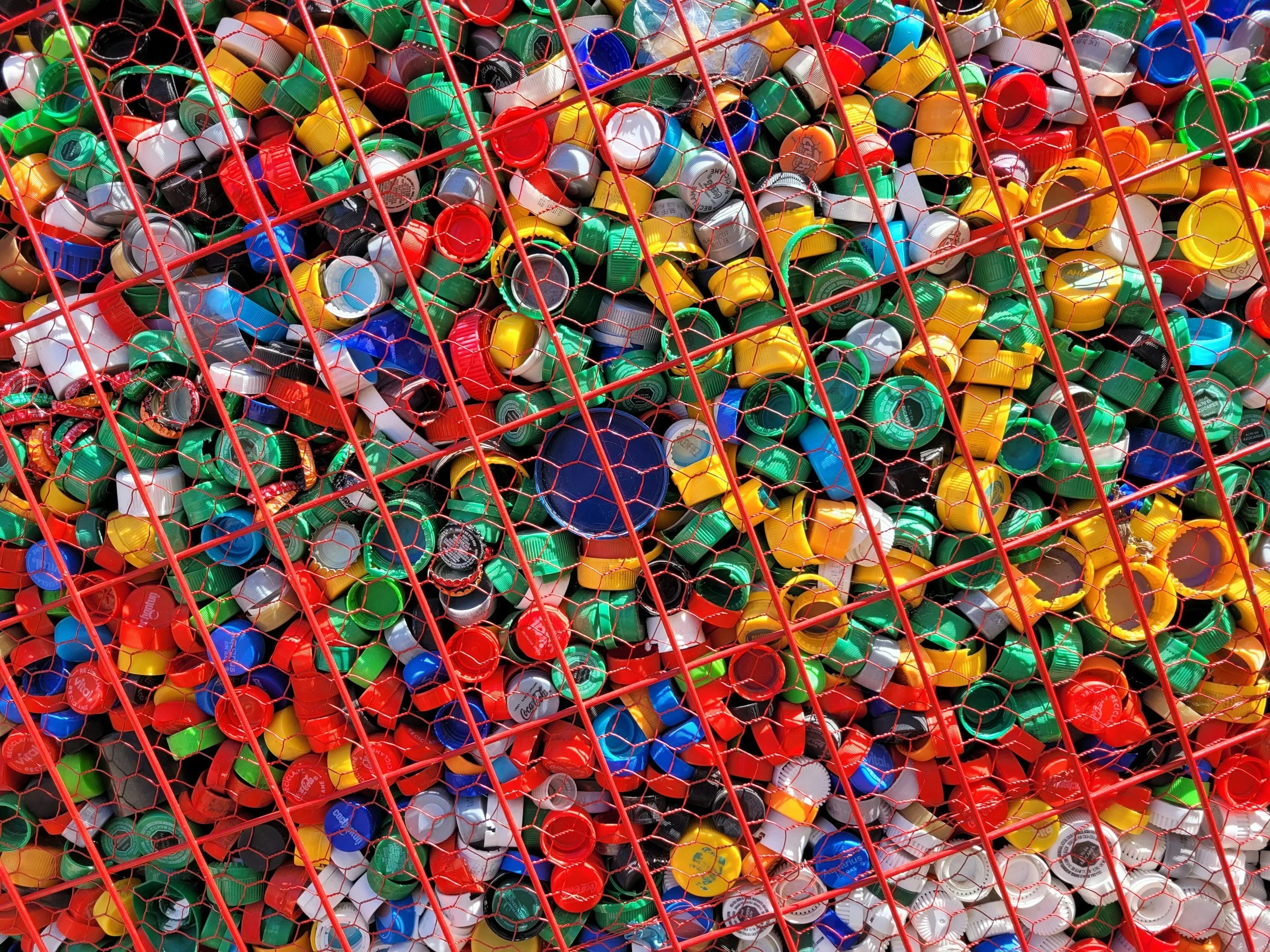
That’s right, recycling is way down here in the list of importance. It should always be a last thought just before the landfill. Why?
Well, especially in the US, recycling isn’t great. Our recycling rates are low, and our recycling facilities simply cannot take everything. In theory, every single thing should be able to be recycled. But not everything has the capacity to be recycled in our current system, as we do not have the infrastructure to recycling 100% of our items.
Of course, recycle when and where you can. Valuable items like metal and glass are especially so! It is still better than the landfill, but the other 6 R’s we just talked about are better than recycling. When at the store, you shouldn’t buy something because it’s recyclable or not; you should see if it’s reusable or if you can just go without that item instead.
You can learn more about our poor recycling system here and why it should be a last resort over the landfill.
Landfill
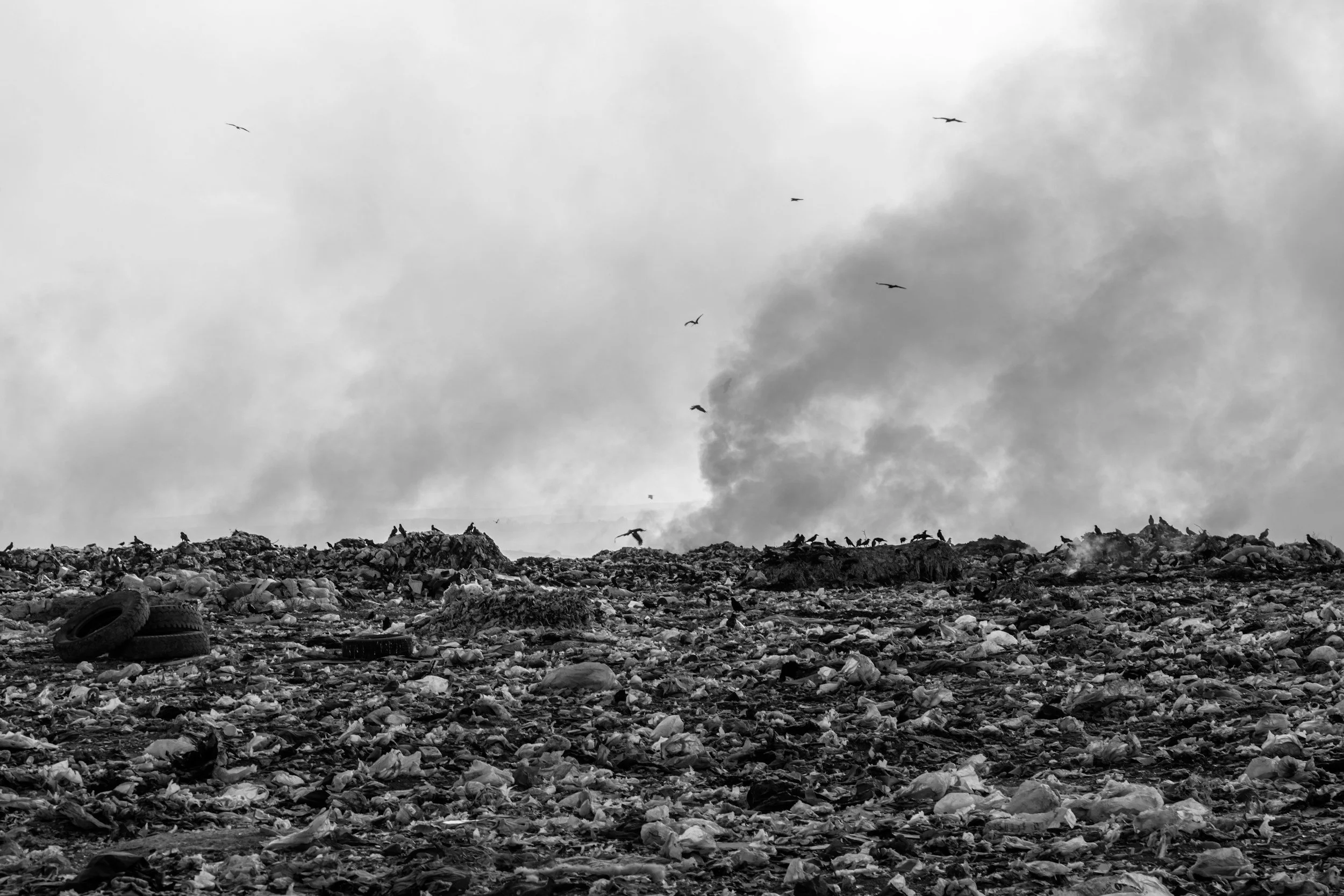
Now that you’ve exhausted all of the R’s, now is the time to landfill that item. It’s inevitable in our currently wasteful world. But our landfills are running out of space. That’s why it should be a last resort.
I’m not saying you have to hoard things just in case you find a way to upcycle it in 3 years. For me, I like to hold onto items I actually have a plan for. As I’m writing this, I have a cabinet full of toilet paper tubes I want to turn into birthday bunting! But I’m not saving every single piece of cardboard. I do recycle and compost much of it.
I also hang on to spare ribbons and hummus lids, but other things like the plastic that protects the hummus, I do throw away.
Plus, many things should ONLY be thrown away: diapers, cat litter, bandages, and so forth. Please do not keep contaminated items!
It’s okay to throw stuff away. The goal of this post is to help you restructure your thinking. I hope more people realize that they don’t have to throw away that old pickle jar; they can wash and reuse it. I hope people see that they don’t have to landfill that stained shirt; they can dye it or turn it into cleaning rags. You get the idea!
Let us know how you avoid the landfill below!
As always, remember that your small actions make a big difference in the long run :)
Emma
