
How We Can Use Art as Activism with Craftivism
A quirky little portmanteau combining the words “crafting” and “activism.” And that’s precisely what it boils down to! Though the word “craft” may be watering it down. Yes, it can be as simple as me making a protest sign by myself at home. But art can take many activist forms, such as using your art to raise funds for mutual aid, using art to spell out political messages like Sav does (of Reworked by Sav), or famous examples such as quilt patterns on the Underground Railroad to depict safehouses, and so much more!
Let’s talk about a brief history of craftivism, my craftivism, and how you can get involved, too.
The History of Art in Activism
First, why is “crafting” feminized and seen as unserious?
Wikipedia states that, “domestic arts (crafts) have been a feminized form of art throughout history. Because of its perceived femininity, it was often rendered invisible in larger conversations about art. Instead, contemporary scholarship emphasizes that the marginalization of textile labor has made crafts a powerful tool for feminist resistance, with craftivism using gendered materials to challenge the invisibility of women's work, suffering, and overlooked social issues. The term craftivism was coined in 2003 by writer Betsy Greer in order to join the separate spheres of craft and activism. Her favorite self-created definition of the term states, ‘craftivism is a way of looking at life where voicing opinions through creativity makes your voice stronger, your compassion deeper & your quest for justice more infinite.’”
Though using art as a form of resistance goes much farther back.
Art and Politics
Art has and always will be political. First, in its messaging, but secondly, since there is no equal access to art supplies and art instruction around the world. That access is political.
Artvocate states that one of the earliest pieces of activism in art is “The Death of Marat - Jacques Louis David (1793).” This, along with many other early artists, did not shy away from depicting the atrocities of war. Many popular artists in the 20th and 21st centuries also center this as their main theme, such as Pablo Picasso.
In the past and to this day, activist art spans different media. Here are some examples:
Fiber arts: the NAMES Project AIDS memorial quilt, the yarn bombing movement, and even the creation of the American flag after the Revolutionary War.
Music: Famous artists of the past, such as Bob Dylan and Woody Guthrie, and the song “Strange Fruit” by Abel Meeropol and Billie Holiday, just to name a few. But also modern artists such as Hayley Williams, who uses her music to convey messages, but also uses her platform for human rights, among many others.
Dance: Famous tap dancer Bill Robinson, who was not originally allowed to dance in the spaces he later came to occupy due to racism, but then ended up paving the way for this popular jazz dance
Writing: Post-WWII saw the rise in dystopian novels about the signs of fascism, such as Fahrenheit 451, Animal Farm, and 1984. More recent novels warn us about climate change, such as the works by Octavia Butler
And so many more artists, messages, and media that you can check out here.
How I partake in craftivism
I am not a serious artist, but I see making art as an inherently human thing to do. So I make art! Please, for the love of the planet, your own brain, and the work of human artists, do NOT make political and activist art with AI. That is the opposite of using art for activism. In fact, making any art with your own two hands and brain could now be seen as an act of activism since it’s not using AI, an environmentally harmful and unethical tool (more here).
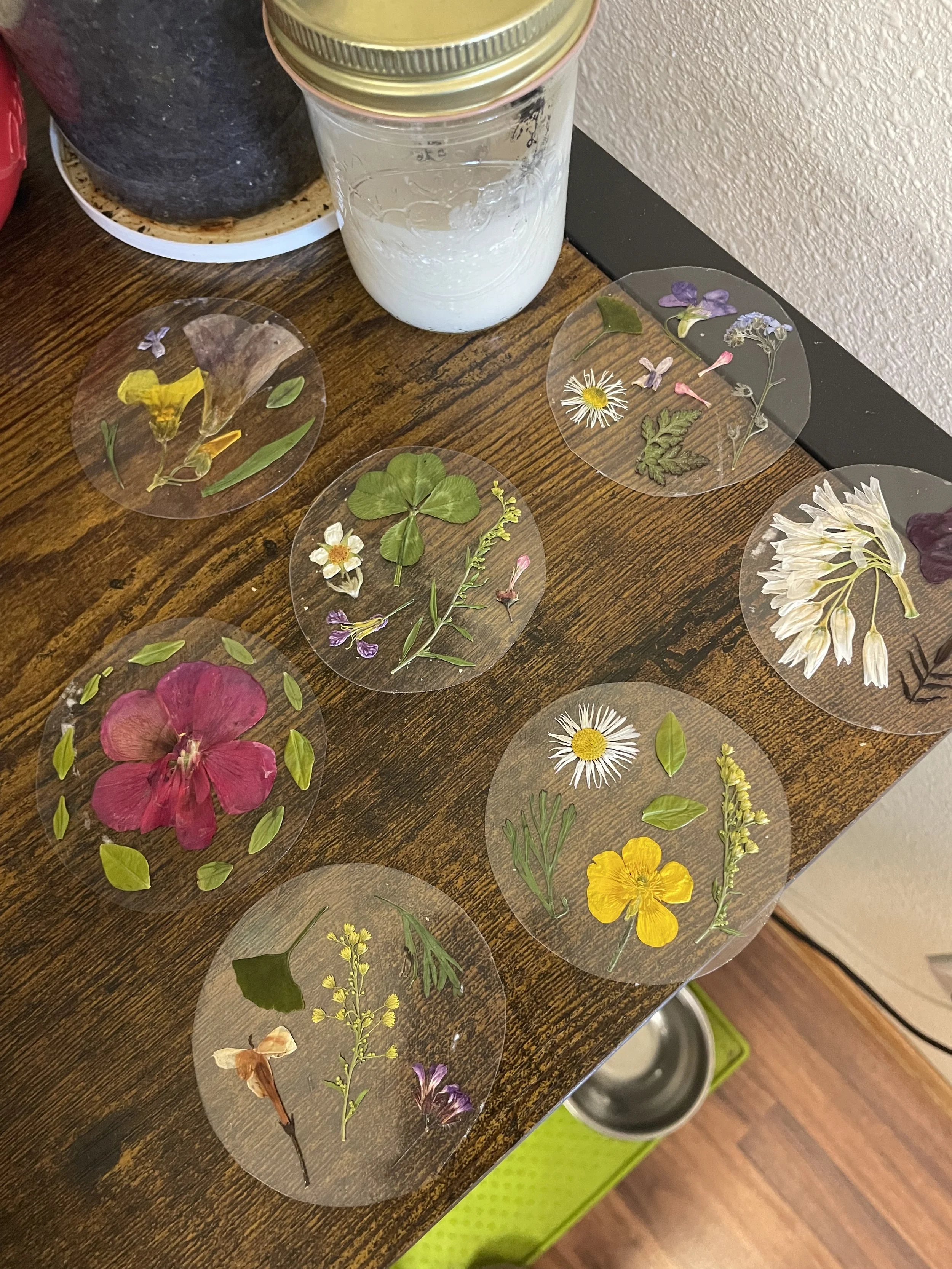
Some of my art is inherently political, while others are not. Let’s explore!
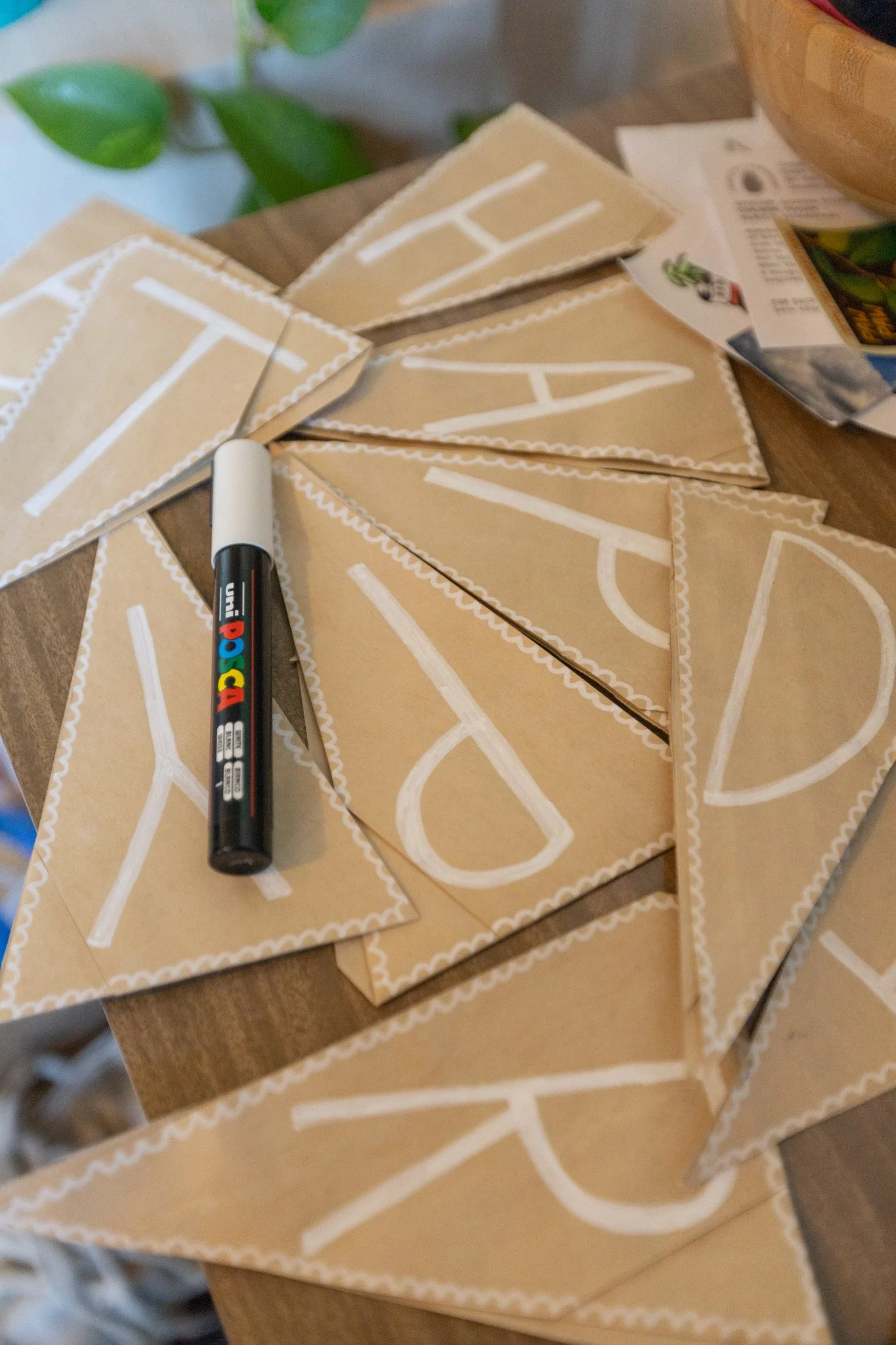
I do a lot of upcycling. Old t-shirts become rugs, old plastic containers become wall hangings, and I’ve even used toilet paper tubes to make birthday bunting. I see this as a form of activist art since my main messaging is keeping stuff out of the landfill, using what you have, and avoiding buying things brand new
By combining upcycling with politics, I make postcards from trash to send to the government. Here’s how I do it. I have gotten creative with collaging, drawing, and writing.
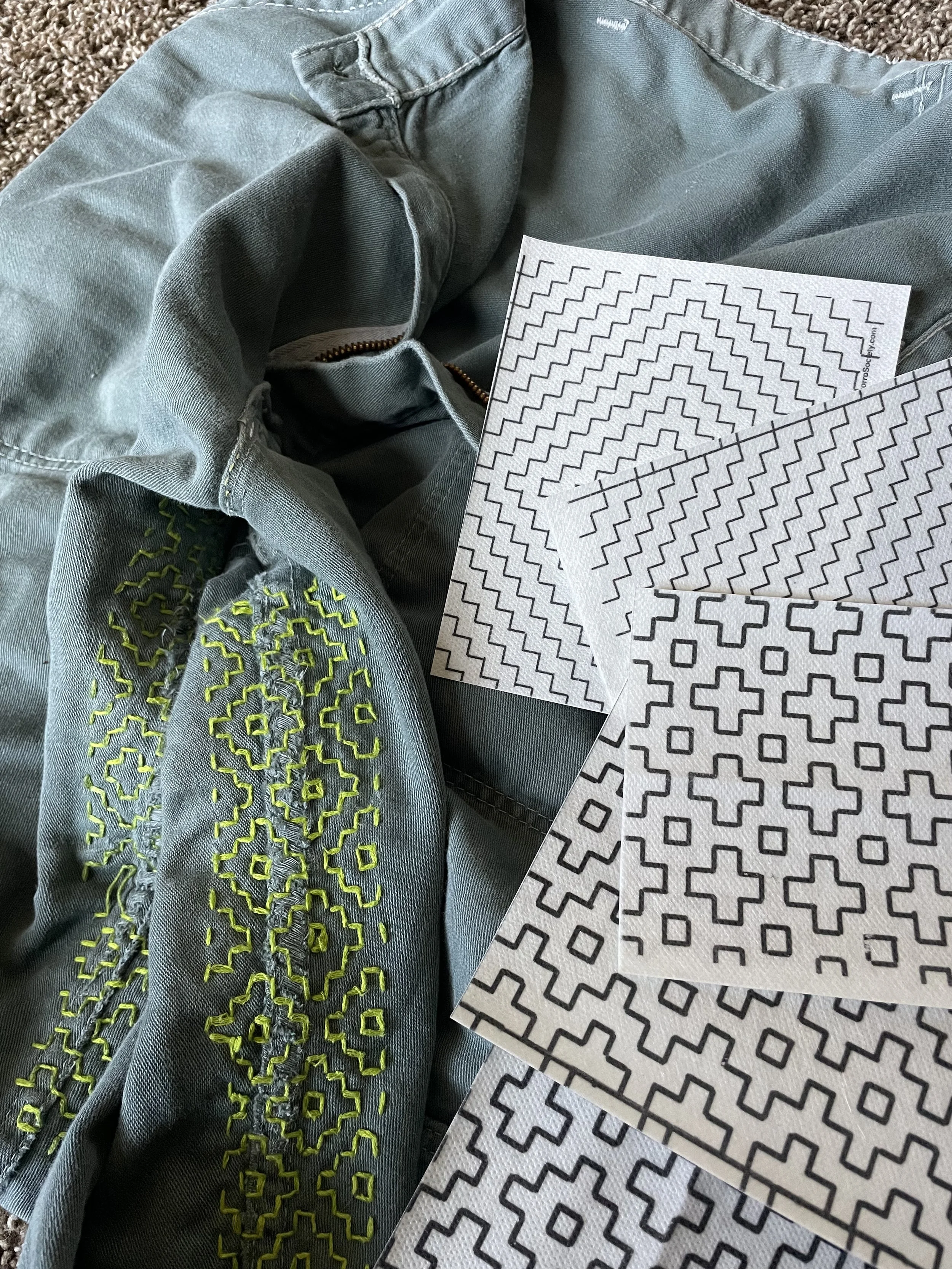
Visibly mending my clothes so that others KNOW it’s mended as a statement piece. I mend to keep stuff out of the landfill and to visibly show that I am an environmentalist and against buying something new
How you can partake in craftivism
All art is political, and all media can be as political as you want them to be. I love that craftivism implies that anyone can partake, regardless of whether you’re a professional artist or just do art as a hobby. I don’t want to water down the fact that “craft” is meant to belittle the art, and it is mostly geared towards women’s hobbies. So women and fem-presenting people, make art and call it ART! That is an act of activism in and of itself.
Simply make whatever speaks to you. You don’t have to learn how to draw if you don’t enjoy it. Maybe your speed is a collage or fiber arts. If those aren’t your speed, try painting, photography, or pick up that instrument you haven’t touched in ages, and get to creating!
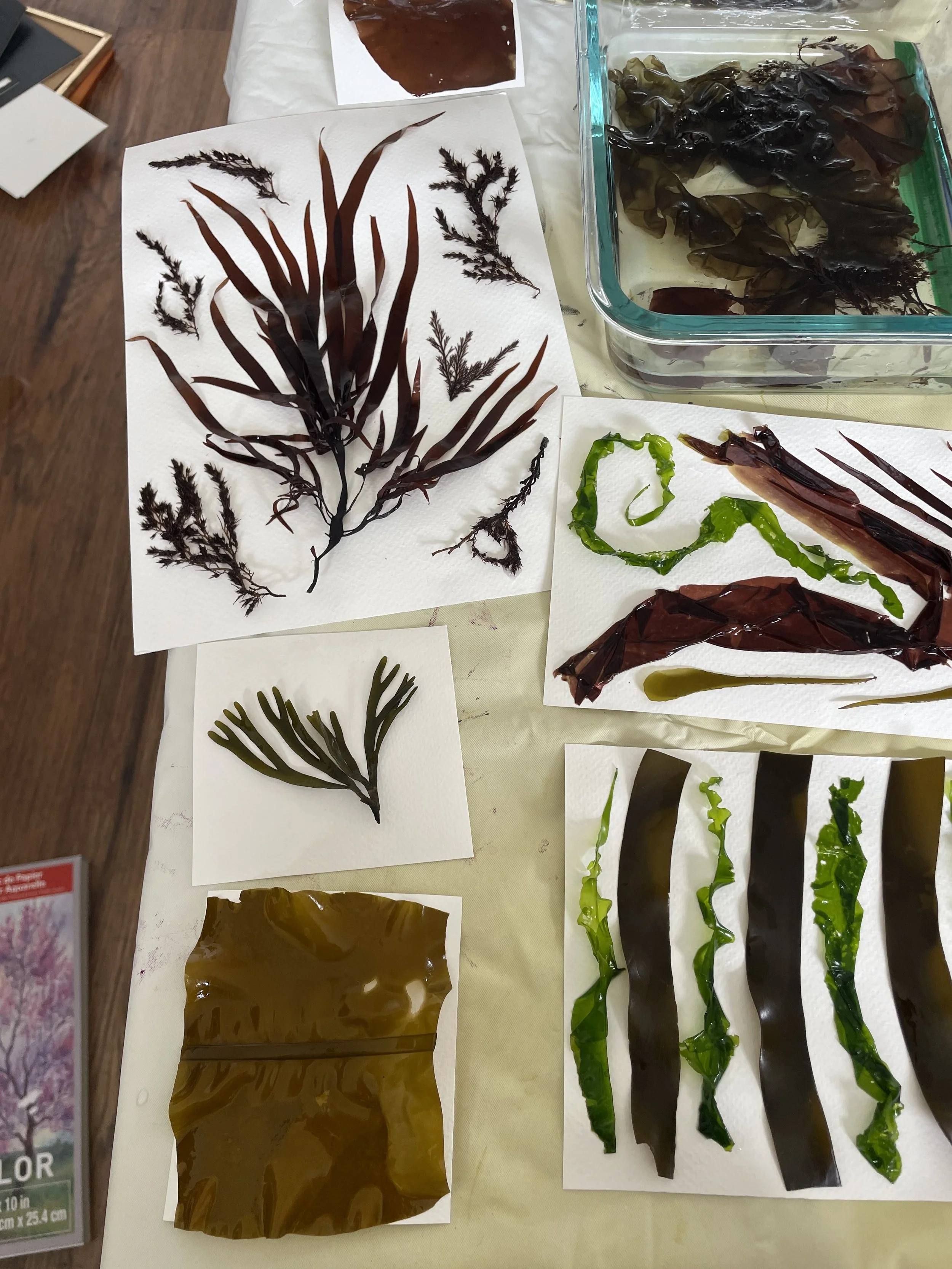
You can make stuff to simply clear your mind, as a way to break out of the doom for a bit. You don’t have to share it with anyone.
Or you can use art to express your feelings and share it with the world via social media, your art class in school, or in a display.
But I simply urge you to make art for the sake of making art, and if it works out, use it as a form of resistance:
Upcycle materials vs buying new
Thrift items instead of buying new (voting with your dollar is POWERFUL)
Weave political themes and messaging into your work
Make protest signs, shirts, and the like
Send trash postcards to the government
Sell patterns or art and donate the profits to those in need
And, inspire others! I like to host craft parties with friends. Sometimes it’s to make and decorate postcards to send to our reps, and others it’s mending parties to keep good items out of the landfill. I’ve even done virtual parties!
The takeaway of this post is that art is political, and you don’t have to be a professional to partake in craftivism. If you’re still wary, even, of the term “activist” and whether it applies to you or not, watch this video next.
Make art, not war!
As always, remember that your small actions make a big difference in the long run :)
Emma