
General Recycling Rules Everyone Should Follow
I know, I know. I say all too often that you should “check your local recycling rules” and that “everywhere has different rules.” But, yes, there are some general rules for recycling that should apply worldwide…with the caveat that you should check your local recycling rules before recycling to ensure that you’re not wishcycling!
Let’s get into it!
Reduce, reuse, recycle
First off, you don’t have to worry about recycling when you lower your consumption. “Reduce, reuse, recycle” is in that order for a reason. So take it as a little mantra! Recycling is not THE solution to the climate crisis or our waste. It’s a decent option before the landfill, but it’s so far from perfect that we should avoid it as much as we can.
Try to reduce what you consume first. Instead of that box of pasta, see if you have a refill store where you can get package-free pasta. Instead of counting on that plastic iced coffee cup to be recycled, try bringing your own cup. And so forth.
After that, consider reusing. I turn toilet paper tubes into cat toys, thin cardboard boxes into political postcards, hummus container lids make great drip trays for your plants, and so forth. Get creative! No, I’m not saying you have to hoard every piece of recycling. Just consider the ways you can reuse it before throwing it in the bin.
Then, as a last resort, should we be recycling. I tackle this topic more fully in this video. I get asked a lot, “Should we even bother with recycling when the system is so bad?” Yes! And when we recycle correctly and help others follow the rules, too, we can help improve the system.
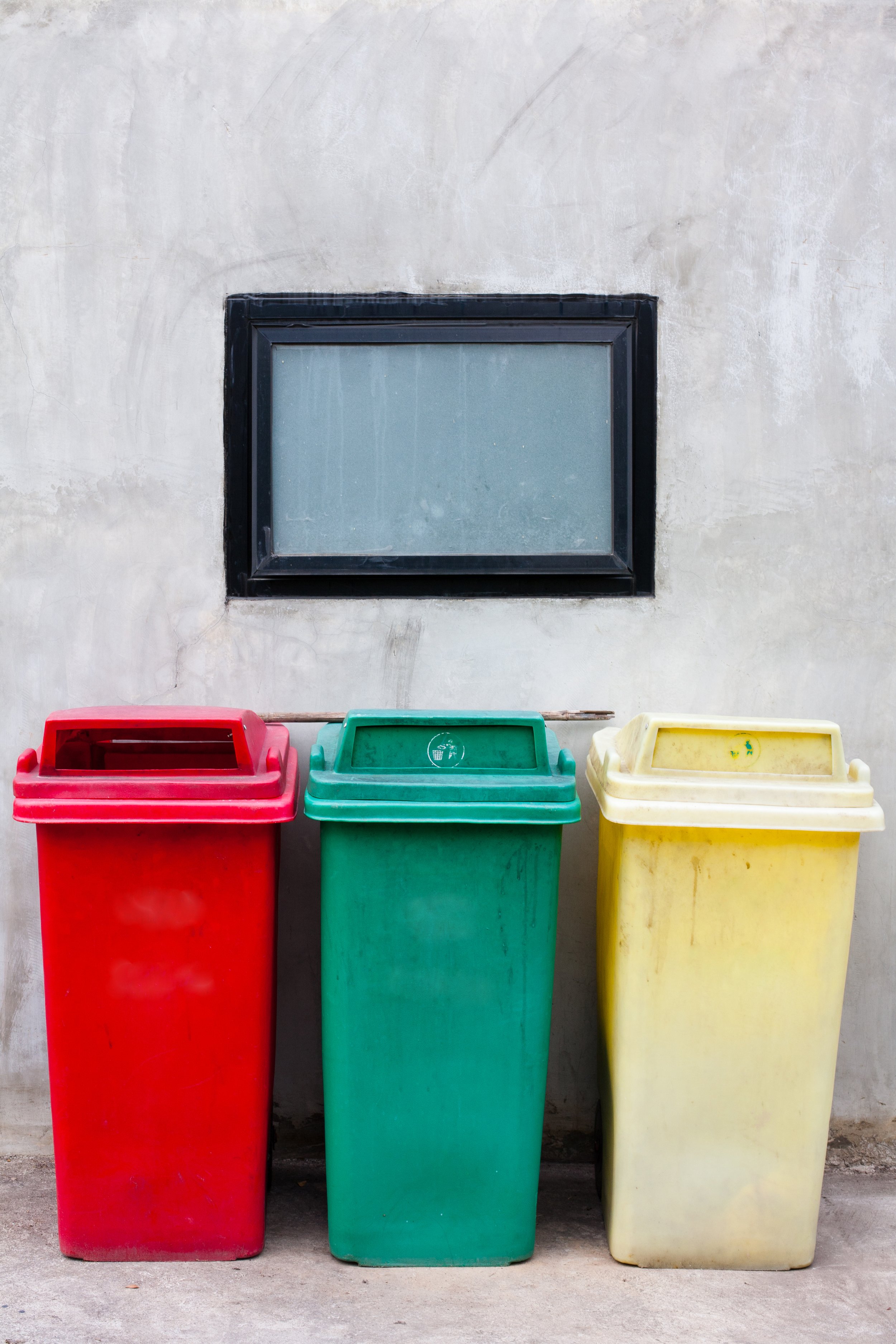
Recycling should be clean and dry
This is quite standard throughout the world, and it’s just good practice. When in doubt, make sure your recycling is clean and dry. No, you don’t need to make it sparkling and look brand new. Just a rinse with water will usually do the trick. My favorite lazy hack (more lazy ways to live zero waste here) is to put heavier-duty items in the dishwasher to wash them. Things like metal cans, glass jars, and even thick plastics can withstand the dishwasher and take all the work off you to get them clean. I hate cleaning out greasy peanut butter jars, so I let the machine wash them for me!
And, yes, they should be as dry as possible, too. This is mostly a US problem since we have single-stream recycling. This just means that as consumers, we put everything in one bin and we don’t sort it ourselves. That means paper and cardboard are in with the rest of the things, and paper products will disintegrate when wet. Not to mention, wet items can harbor bacteria and even start to mold. So make sure it’s dry!
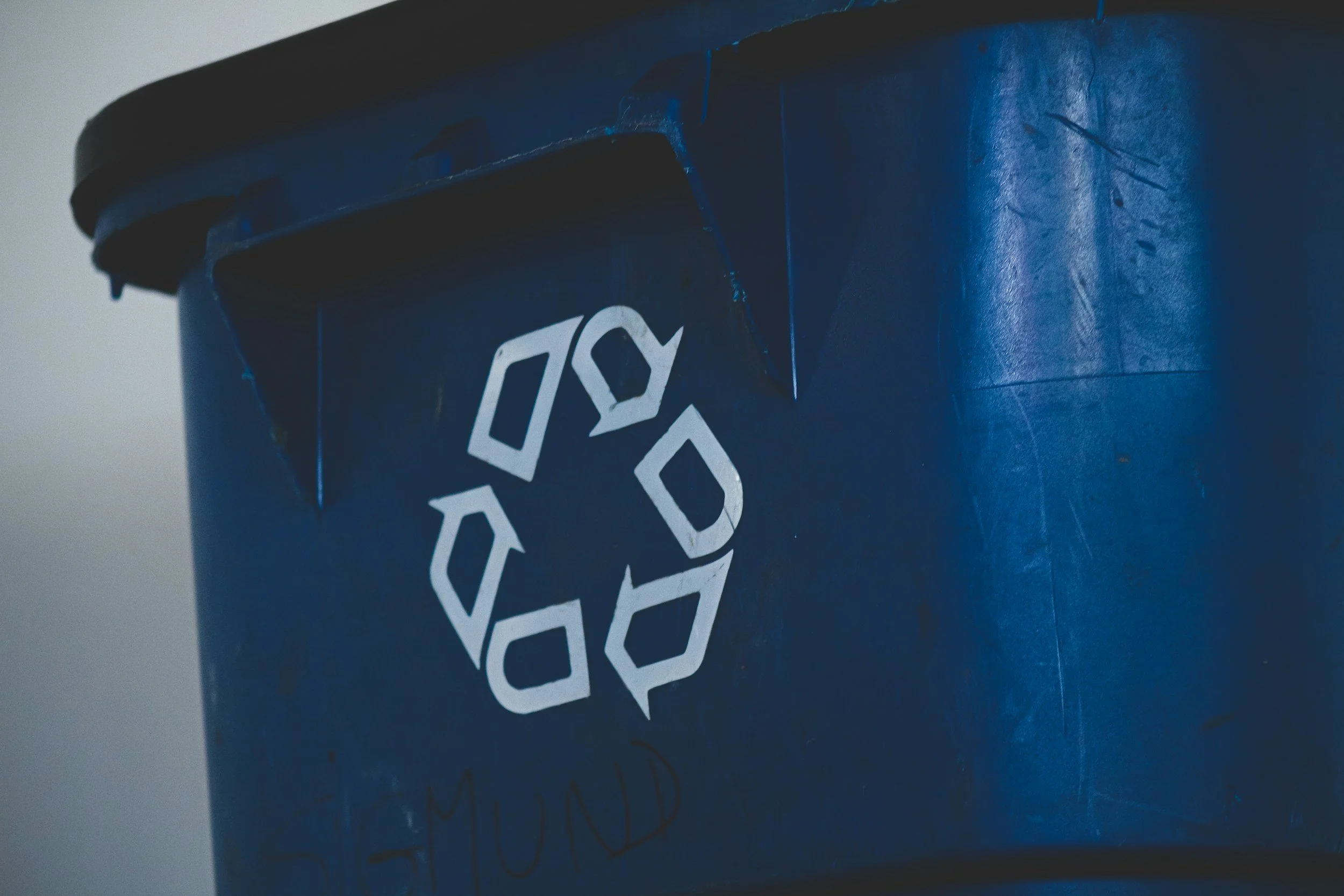
Image from Squarespace
Should not be bagged unless otherwise stated
The rule of thumb for bags is to forgo them unless you’re confident that the recycling company wants your recyclables to be bagged. More often than not, they want them loose. Especially if you have single-stream recycling! This makes it so much easier for the recyclables to be sorted when it arrives at the recycling facility. Plus, most often, the thin plastic bags are not recyclable anyway.
Of course, you should always contact your local recycling facility if you have recycling questions. But if you can’t get a hold of them for some reason, don’t put your recycling in a bag “just in case.” Leave it loose!
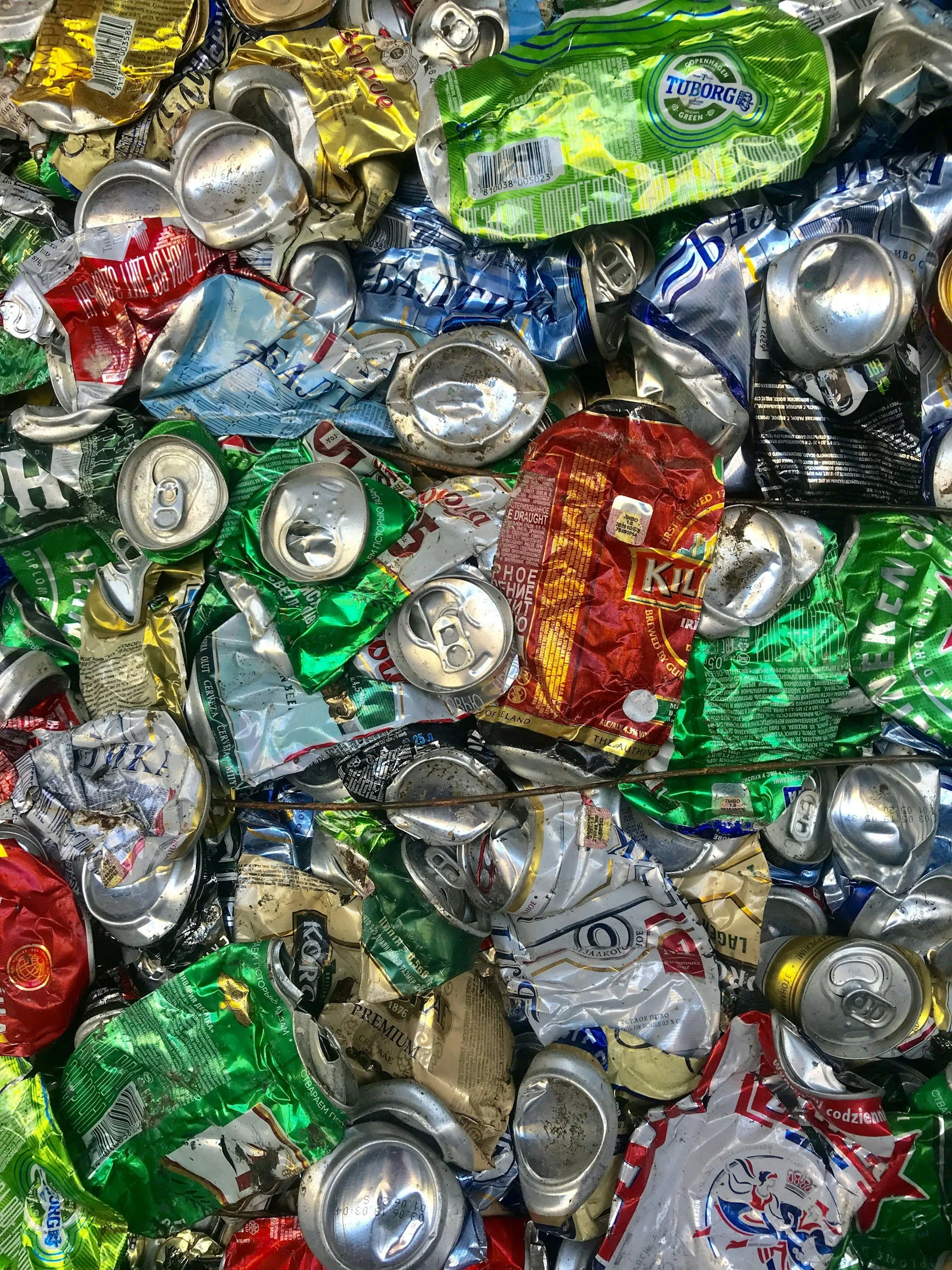
Image from Squarespace
Containers should be empty
Bringing it back to food waste contamination, this is the same reason why your recycling should be clean and dry. Food waste turns our recyclables into landfill waste. That means you should not be putting a full jar of pasta sauce or a full plastic container of hummus or an unopened can of peas in your recycling bin. Food waste sucks (learn more here), but we shouldn’t burden our recycling facility with it. Instead, compost it if it’s half empty, rotten, or expired. If it’s unopened and still in good condition and prior to the expiration date, donate it to a local little free pantry (shelf-stable items only), give it to a friend, or see if your local food bank would use it.
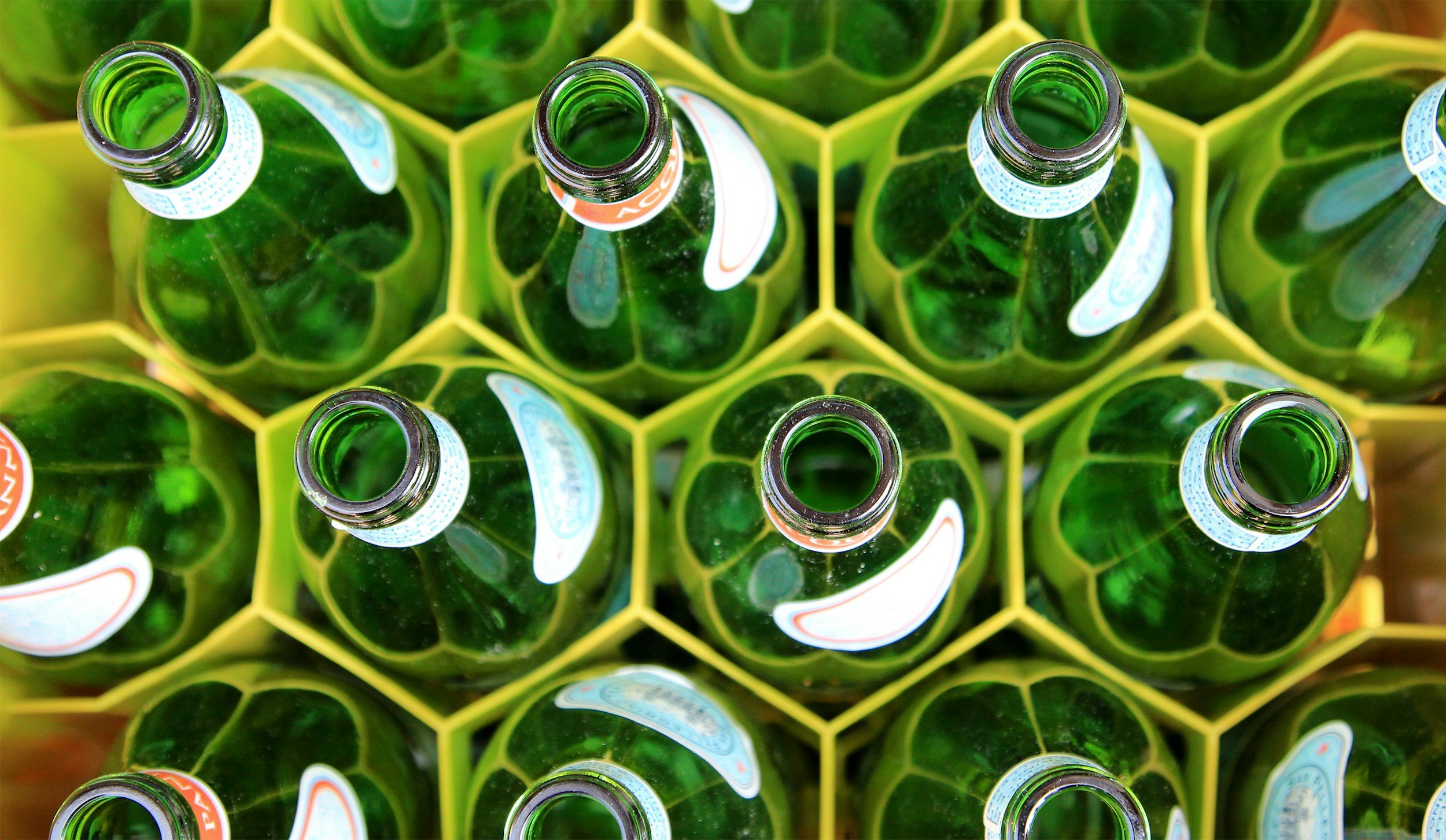
Image from Squarespace
The main recyclable items
Yes, every region is going to vary slightly here, but in general, these are the things you can for sure recycle:
Rigid plastics #1 and #2
Paper (newspaper, brown paper, school paper, etc)
Cardboard (cereal boxes and shipping boxes)
Metal cans
Notice I didn’t say glass. It’s not actually that common to be able to recycle it in more rural areas! Also, with other items like thin plastics #3-7 and cartonboard/Tetrapak, CAN be recycled but are not that commonly accepted.
You know what I’m going to say: check your local rules!
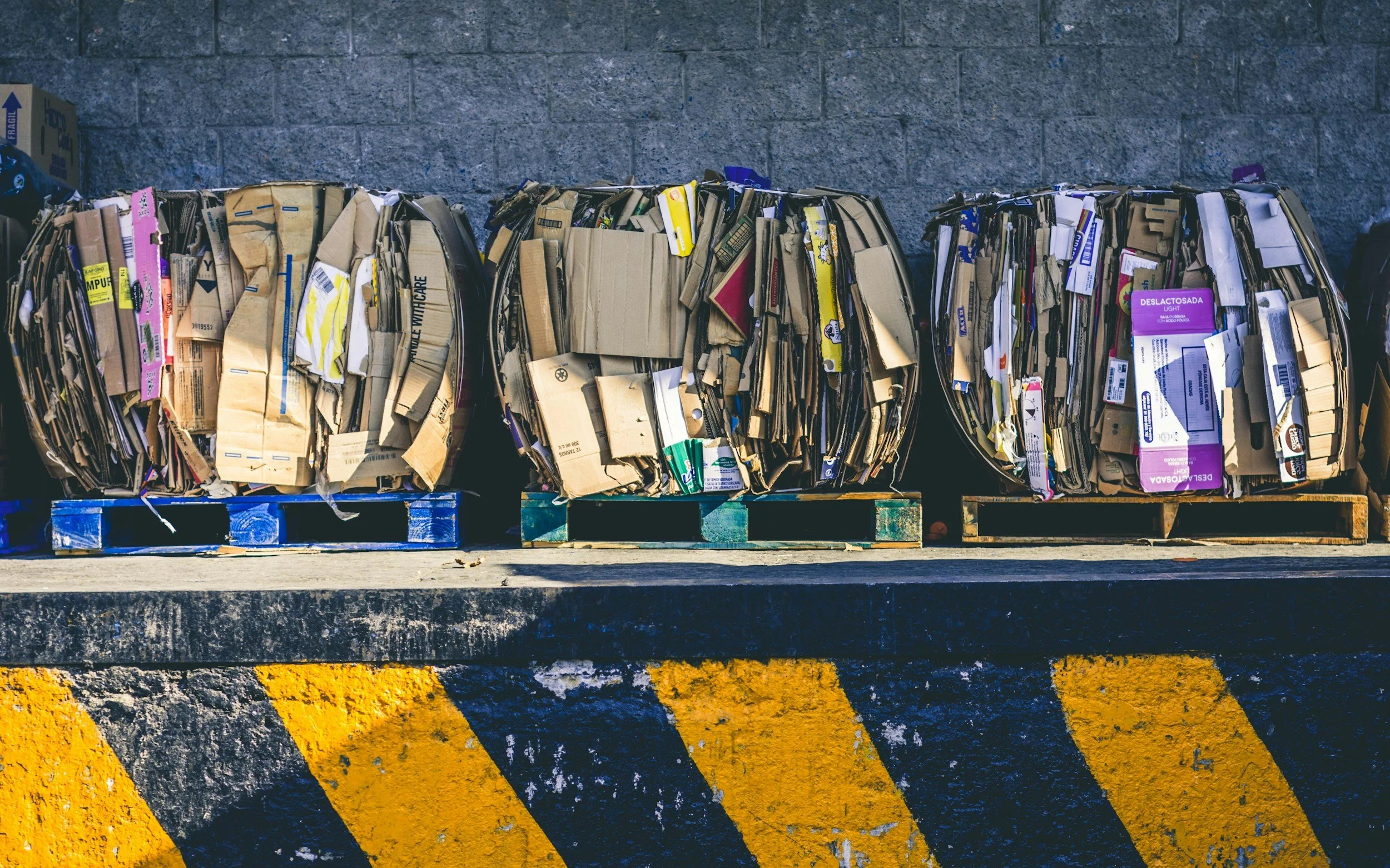
Image from Squarespace
The recycling symbol doesn’t actually make it recyclable
You’ll see the recycling symbol EVERYWHERE. It’s on thin plastics, bioplastics, and other materials that really shouldn’t go in your bin. So why is it there? It’s actually not a recycling symbol for us, the consumers. It’s a Resin Identification Code meant for manufacturers and recyclers. It helps them identify like materials. Plastic #1 can only be recycled with plastic #1. That’s what this code is for. To put all the plastics #1 together, #2 together, and so on, to ensure proper recycling.
So just because an item has a recycling symbol on it, with or without a number in the middle, doesn’t mean it should go in your bin. Ensure that it meets the criteria of your local recycling facility’s rules before putting it in your bin. That does mean things with the recycling symbol will often end up in the landfill.
Why? Many regions just don’t have the capacity to recycle every type of material. Each requires a unique process and sometimes even its own facility. It can be expensive and time-consuming, and deemed not worth it to the recycling company. Especially when new materials often cost less than recycled materials, on the other hand, there is no incentive for manufacturers to choose recycled materials, which lowers the demand for recycling in the first place.
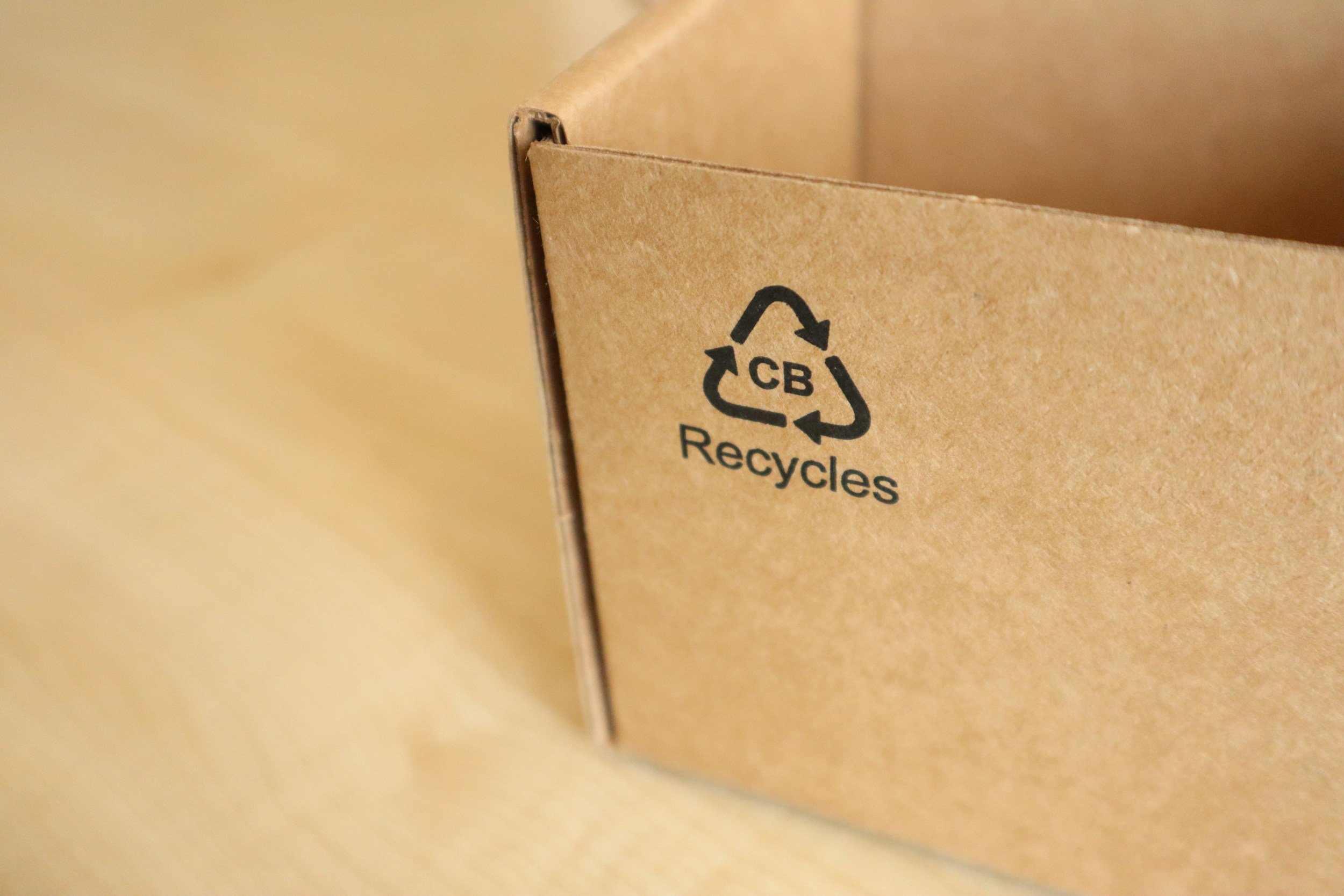
Image from Squarespace
Don’t recycle non-accepted items
There are so many items that should not go in your bin that we won’t cover in this post. Check out the full list here. NEVER put these items in your bin! The only things that should go in your bin are the items your recycling facility has asked for (see above for the general list).
In general, you should NEVER recycle:
Anything with human waste on it (diapers, tissues, cotton swabs, etc)
Anything with food waste on it
Any organic matter, from food to yard waste
Electronics
Textiles (bedding, clothing, towels)
Truly, though, the list is never-ending. Since the list of accepted items for recycling is so small, that makes the list of non-accepted items is very large. Stick to recycling what the recycler asks for. Putting anything else in your recycling bin out of guilt is called wishcycling, and it causes much more harm than good. Learn more here.
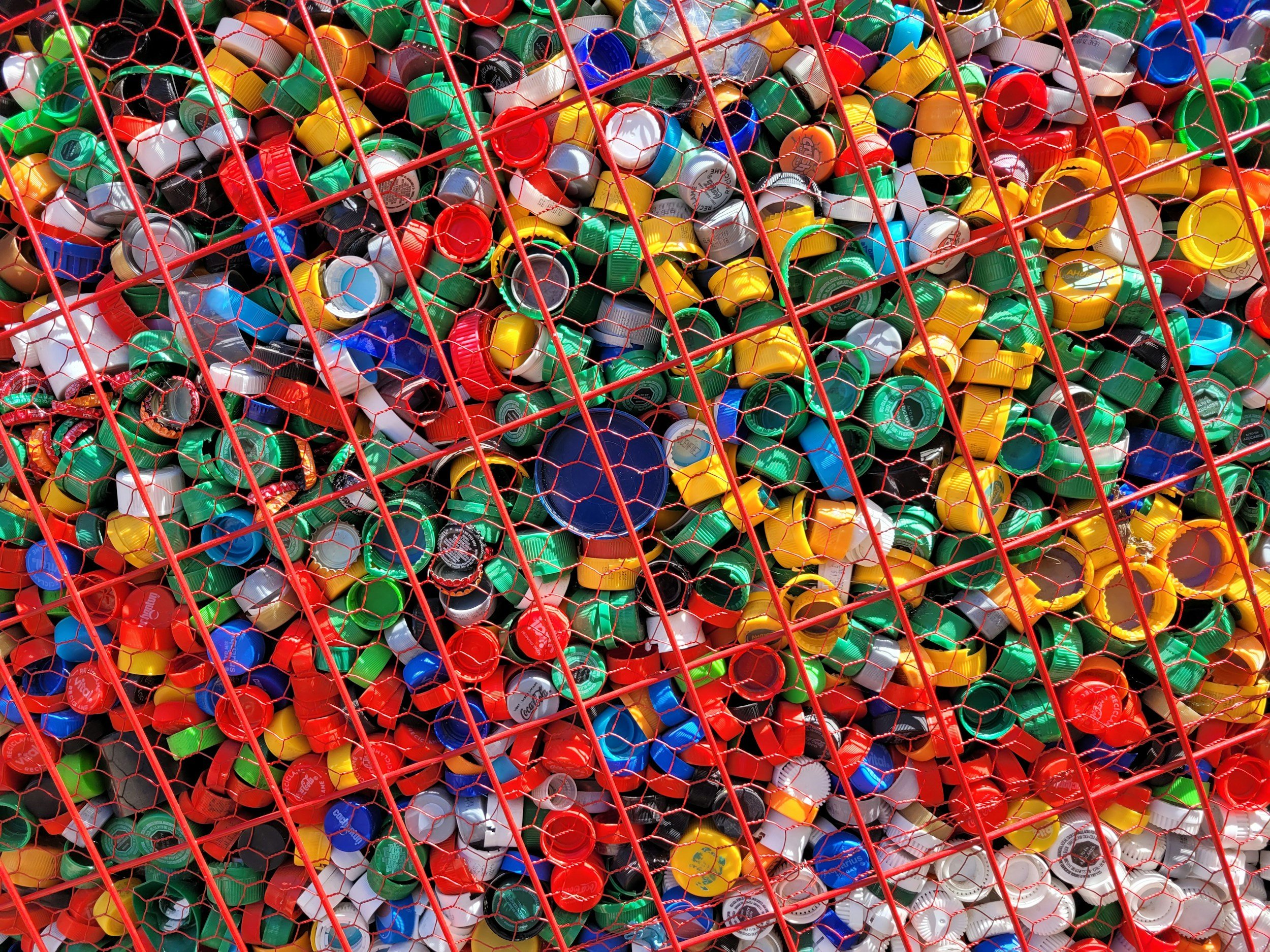
Image from Squarespace
Check your local rules
And at the end of the day, the best general tip is to check your local recycling rules before recycling anything. If you find yourself at your bin wondering where that item belongs, pause and email or call your recycling facility, or even just check their website. The good news is that you were right, and it can be recycled! The bad news is that it actually can’t be recycled. But the silver lining is that you just prevented harm from wishcycling.
Familiarize yourself with the rules, and check them for updates. My rules have changed before! Sometimes we will gain access to recycle new things, so keep your eye out for those improvements. Wishcycling isn’t good, but neither is sending recyclables to the landfill!
Again, our recycling system is so imperfect throughout the world, but especially in the US. It’s not our fault that it sucks. But we do have a part to play! Our recycling is bad because of poor education and access, but recycling rates CAN be improved when we learn the rules and recycle correctly.
Did you learn something today? Did I forget something important? Let us know below!
As always, remember that your small actions make a big difference in the long run :)
Emma
