

Eco Skills that are Dying Due to Overconsumption
We live in a throwaway world. We are conditioned from an early age to just throw items away when they are slightly bad. Mending, upcycling, and reusing is generally discouraged, especially since things are not made to last like they used to.
I have memories of my grandparents talking about how they still owned their first refrigerator, car, TV, and other appliances from decades ago. Now it feels lucky for my items to even last ONE decade. Check out some of my oldest items here.
But this has also led to so many skills going extinct or becoming endangered. There isn’t a need for these specialized repair people when we can just throw the item away and buy a replacement that may even be cheaper than getting it repaired.
So today, let’s celebrate these artisans and the skills that have been around for millennia. I hope this serves as a reminder to you to think before you throw away. Go support repair folks in your town, appreciate their skills, and cherish your items for years to come. And use these skills as a means to keep your beloved items out of the landfill and live an eco life!
Perhaps this also inspires you to learn one of these endangered crafts to keep them alive!
Cobbling
Imagine a time before machines. Every shoe you wore had to be made one by one. It was measured to your food, and every piece was assembled by hand. Technically, shoemakers were called cordwainers, and the repair folk were the cobblers. But cobblers often got roped into the shoemaking process, too.
While shoemaking is an even rarer art, cobbling isn’t all that common anymore either.According to Shoe Healer, “today cobblers spend their workdays repairing, restoring, and improving shoes, boots, sandals, clogs, moccasins, loafers, and stilettos. Fixing zippers, belts, luggage, gloves, handbags, buckles, and other leather products is also common work for cobblers. Some cobblers also sell shoe accessories like laces, polishes, shoehorns, orthotic footbeds, and waterproofing treatments.”
According to AP News, “The Shoe Service Institute of America reports that shoe repair shops have dwindled from 100,000 in the 1930s to 15,000 in 1997 to about 5,000 today. The industry may be facing extinction, but business is booming for the cobblers who remain.”
People still want to get their shoes repaired! For expensive shoes, it’s often much cheaper than buying a new pair. But not many people are learning this dying art. Support your local cobbler and be patient as they may be the only one in your region!

Watch/Clock Repair
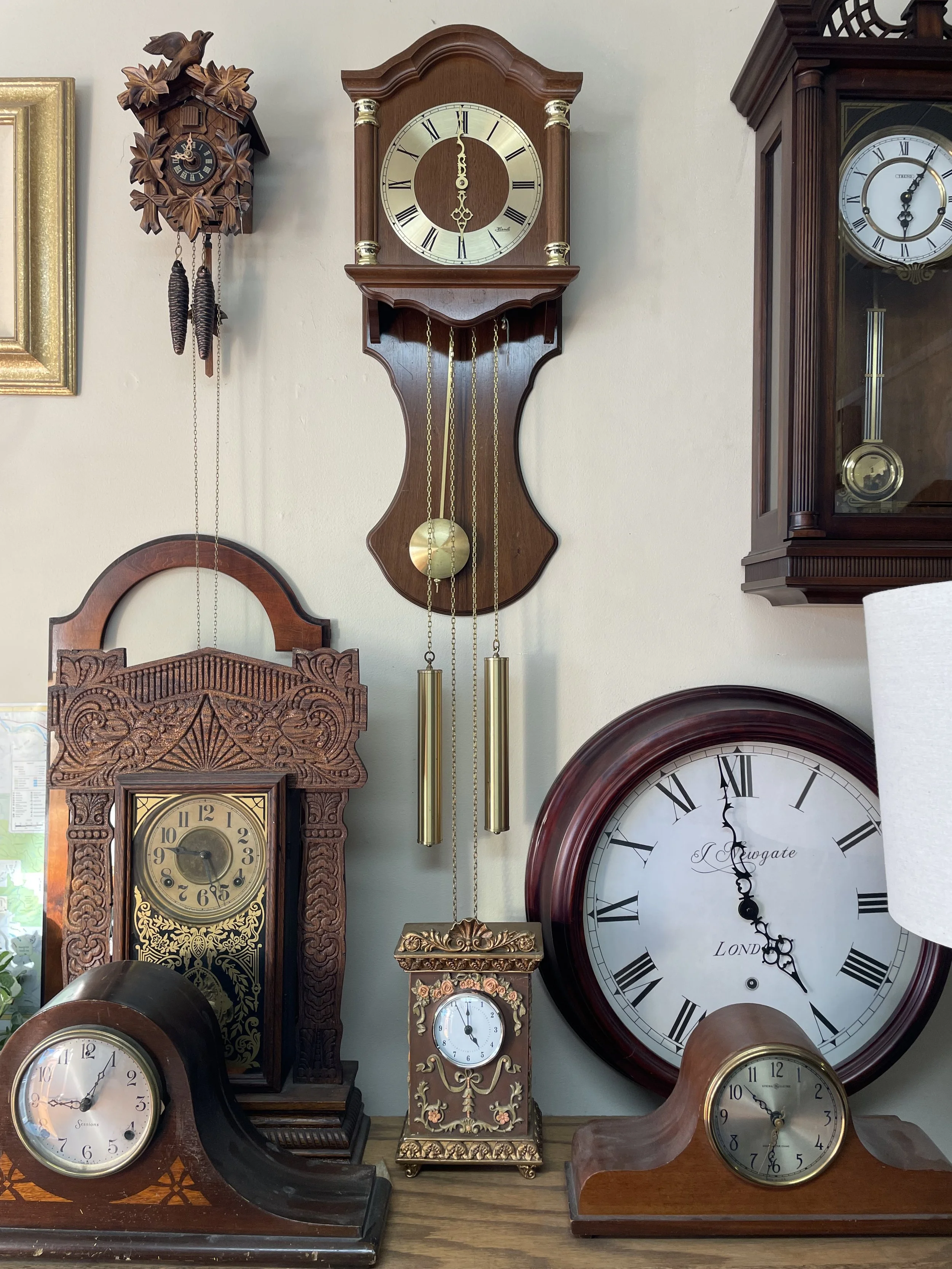
As with cobbling, clockmakers in the 21st century often just repair clocks instead of making them from the bottom up, since almost all of them these days are made in factories. According to Wikipedia, “Clockmakers must be able to read blueprints and instructions for numerous types of clocks and timepieces that vary from antique clocks to modern timepieces in order to fix and make clocks or watches. The trade requires fine motor coordination as clockmakers must frequently work on devices with small gears and fine machinery.”
As with cobblers, this job is becoming more and more obsolete in this throwaway world. Paired with the fact that young people are not learning this trade as abundantly as in generations of the past. Our town has a clockmaker, but it, too, like our cobbler, is a one-man shop, and he is very busy. Support your clockmakers to keep this art alive, and remember patience for this slow art.
Papermaking
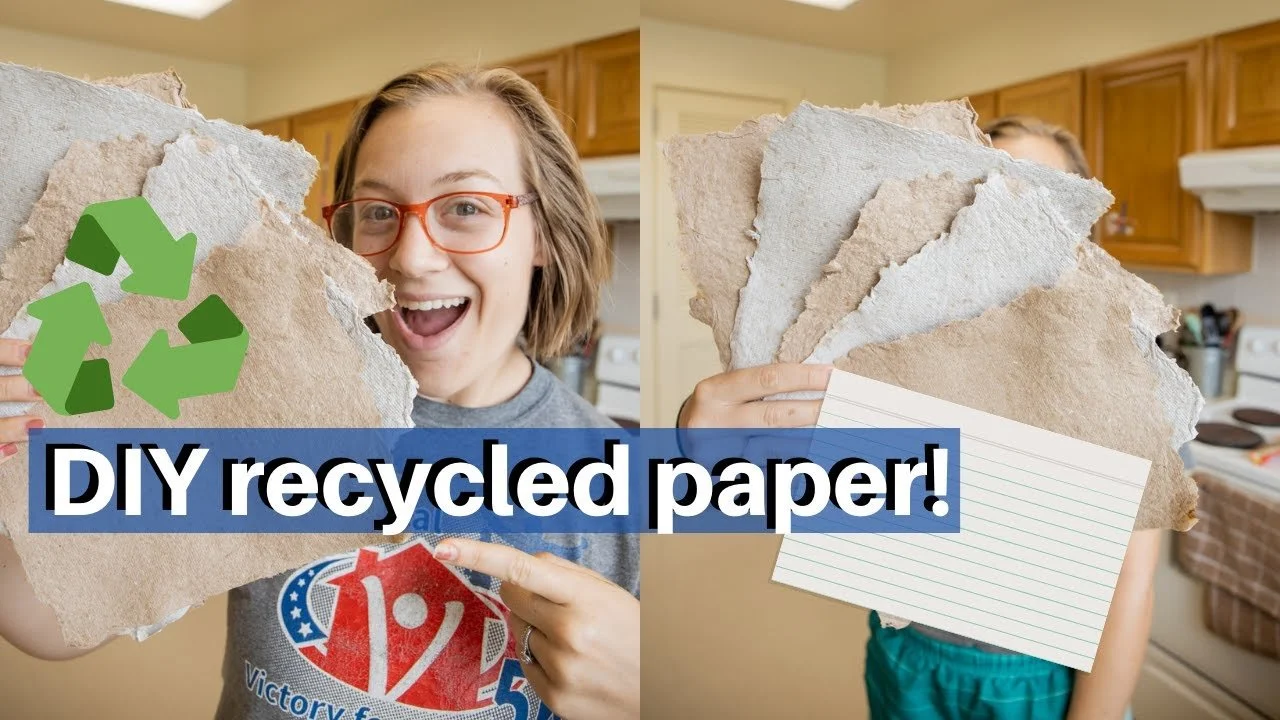
Did you even know paper could be made by hand? Well, it can! And I’ve done it! Sure, it’s nowhere near the same as your stark white reams of printer paper or lined and bound journals, but it can still be done at home to recycle paper, save money, and partake in this dying art.
According to Wikipedia, “In papermaking[1], a dilute suspension consisting mostly of separate cellulose fibres in water is drained through a sieve-like screen, so that a mat of randomly interwoven fibres is laid down. Water is further removed from this sheet by pressing, sometimes aided by suction or vacuum, or heating. Once dry, a generally flat, uniform, and strong sheet of paper is achieved.”
Like shows, paper used to be made one sheet at a time. I’m sure there was far less waste back in those times. We take for granted, now, how much time, effort, and resources go into just a measly piece of paper. But it’s a lot! Take this as a lesson to use paper wisely and appreciate the art of slow papermaking.
Smithing
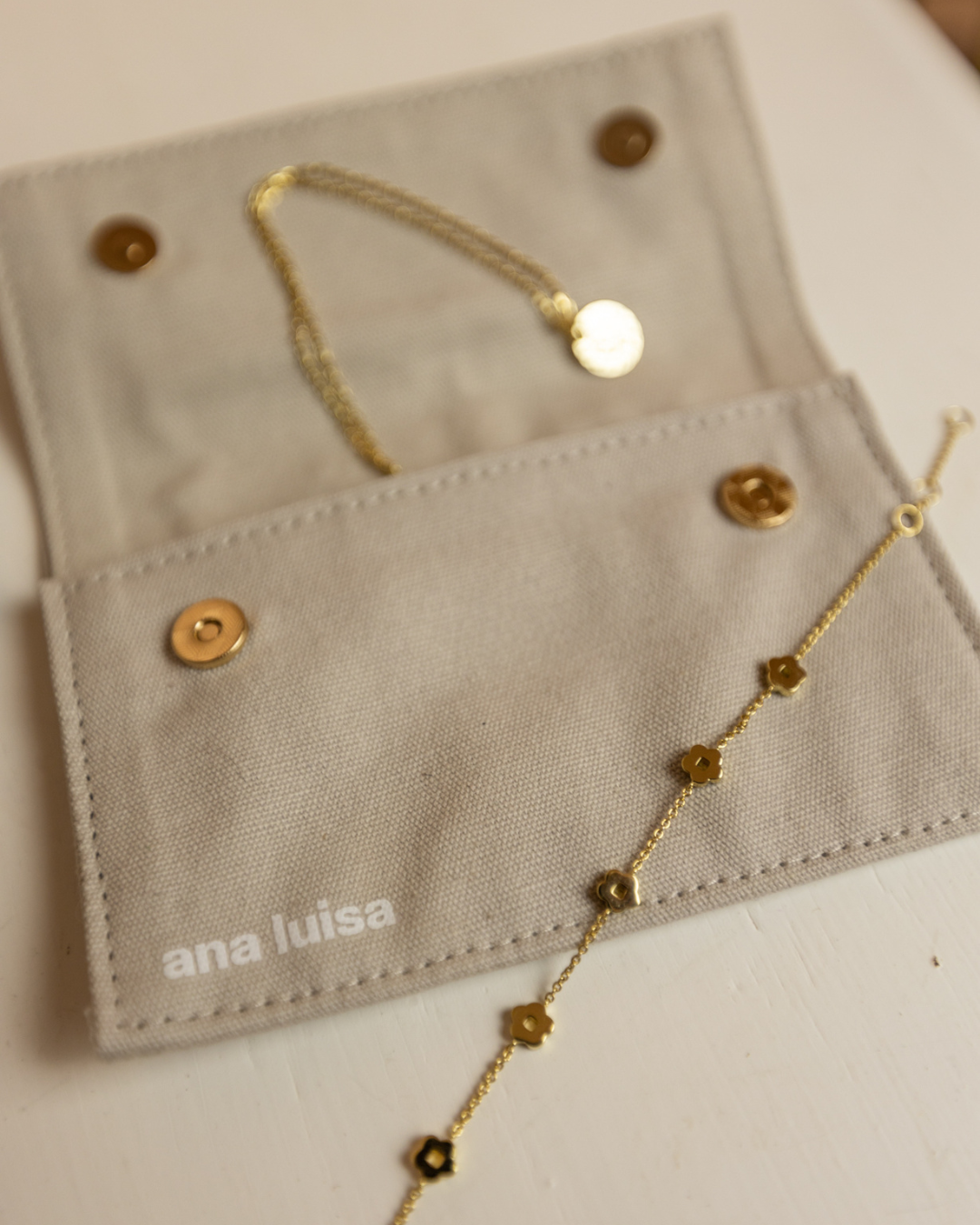
Many different kinds of smithing are going extinct: blacksmithing, tinsmithing, coppersmithing, silversmithing, and more! According to Wikipedia, “A metalsmith or simply smith is a craftsperson fashioning useful items (for example, tools, kitchenware, tableware, jewelry, armor, and weapons) out of various metals. Smithing is one of the oldest metalworking occupations.”
It’s how I got the surname I was born with! In fact, many of these old occupations are how a lot of English folks get their surnames: Baker, Smith, Shoemaker, Farmer, etc. It’s fun to know that my ancestors were part of the boom of this art.
Today, metalsmithing is mostly used in jewelry making and repair…well, as we know from the skills above, it’s really just mostly used in repair since most of the metal objects we wear and use these days are made in factories.
But, I have seen a bit of an uptick in, especially silversmithing these days, as folks learn to solder and make their own jewelry!
Sewing
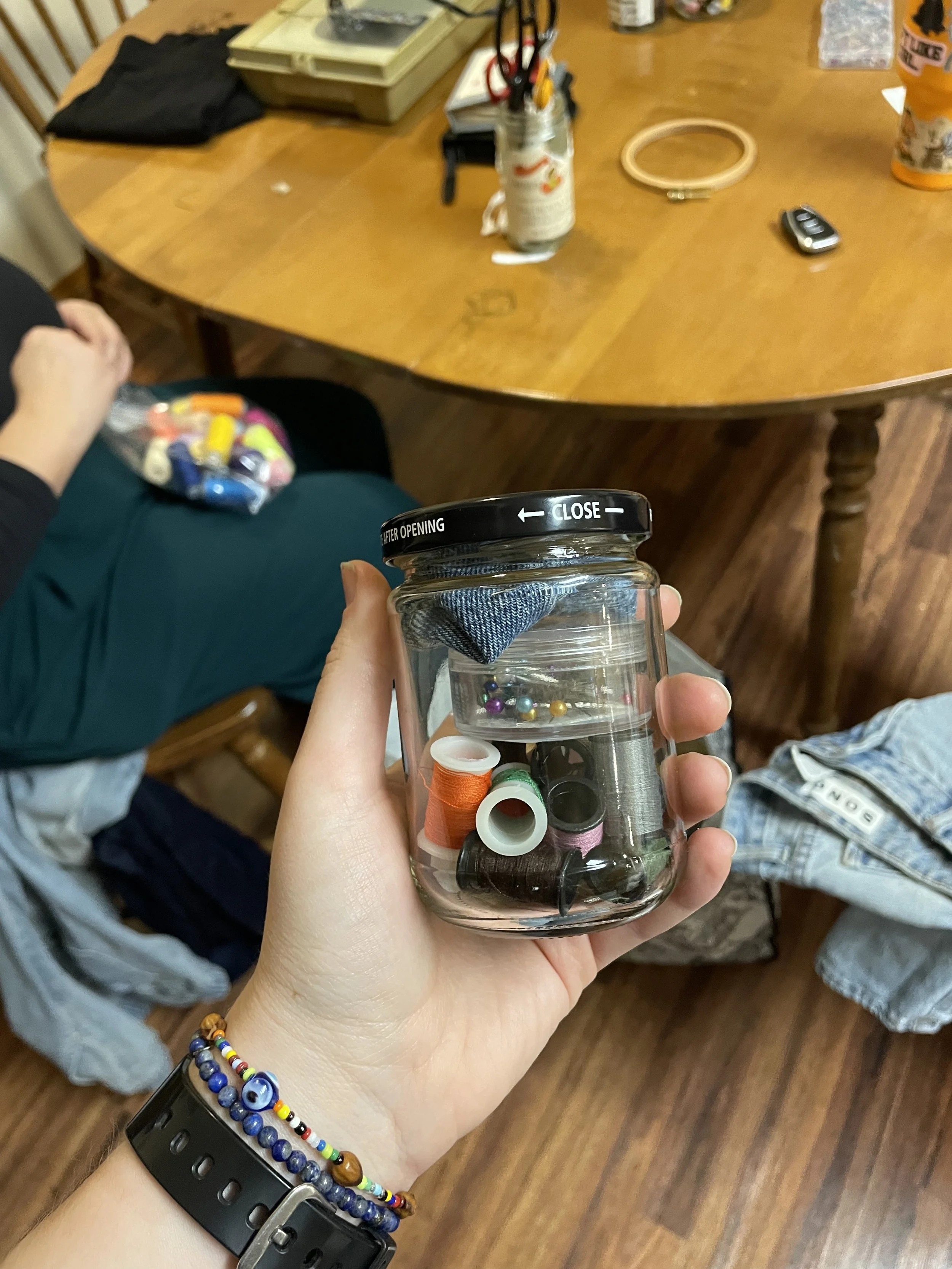
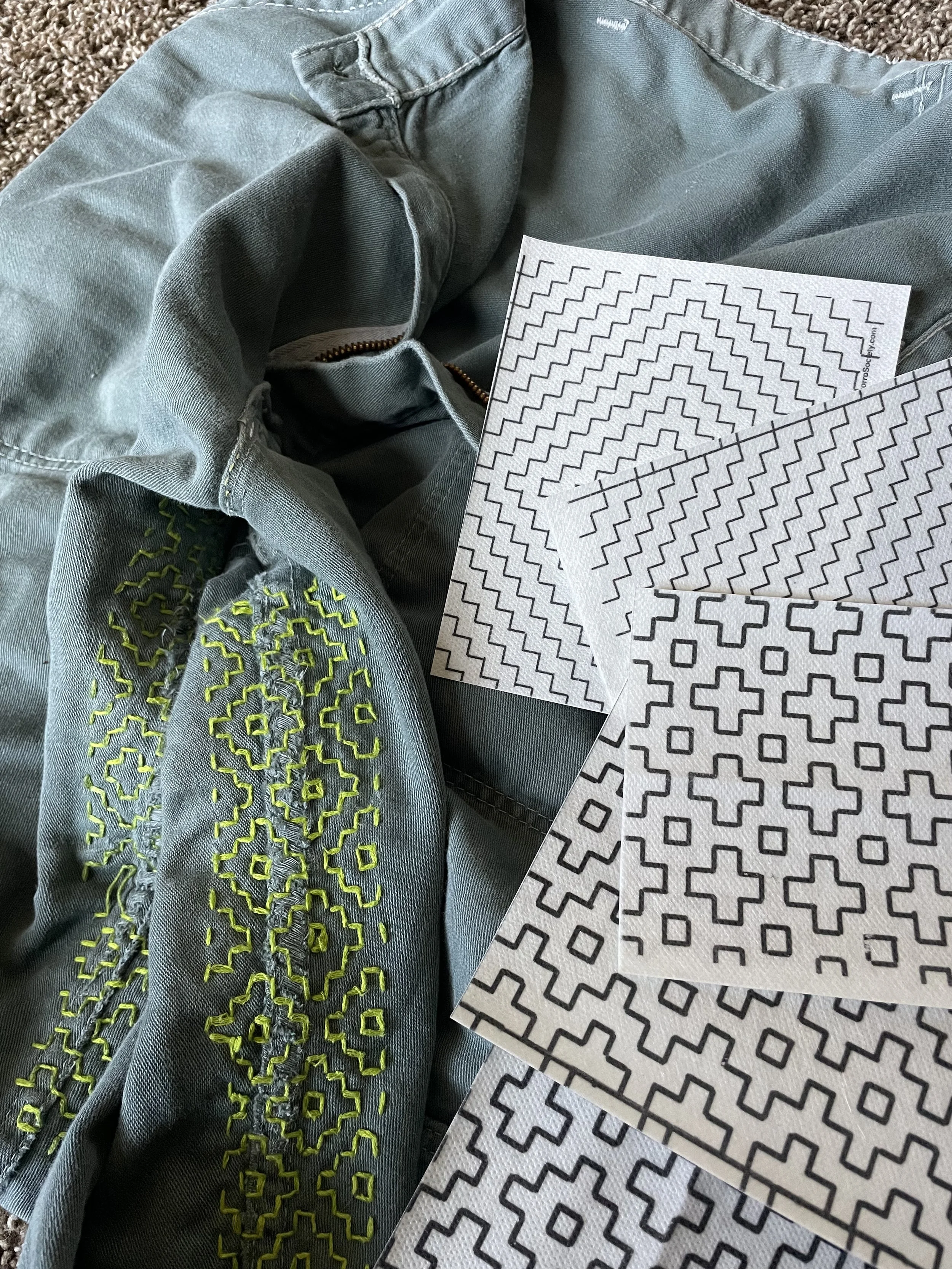
I wouldn’t say that sewing is dying as quickly as other skills, but it sure isn’t nearly as common as even my mother’s generation, and even more so her mother’s generation. Our grandparents did a lot of sewing their own clothes, and even more so, repairing their own clothes. While today, I know many people who can sew enough to mend a hole or add a button back on their clothes, it’s becoming increasingly uncommon to meet people who sew their own clothing from scratch.
This is probably the easiest skill to learn on this list, as it takes very little equipment to get started! You truly just need a needle and thread, and you can learn how to mend or even make a garment from scratch. A sewing machine helps, but those are also pretty easy to find secondhand and learn how to operate. I actually recommend older machines since they are built to last and are often easier to operate.
Let’s work to keep this skill alive and well, and off the path of extinction that the other skills are on. This one is excellent in keeping items out of the landfill and preventing the creation of new materials by repairing what you have. Support your local tailor!
Woodworking
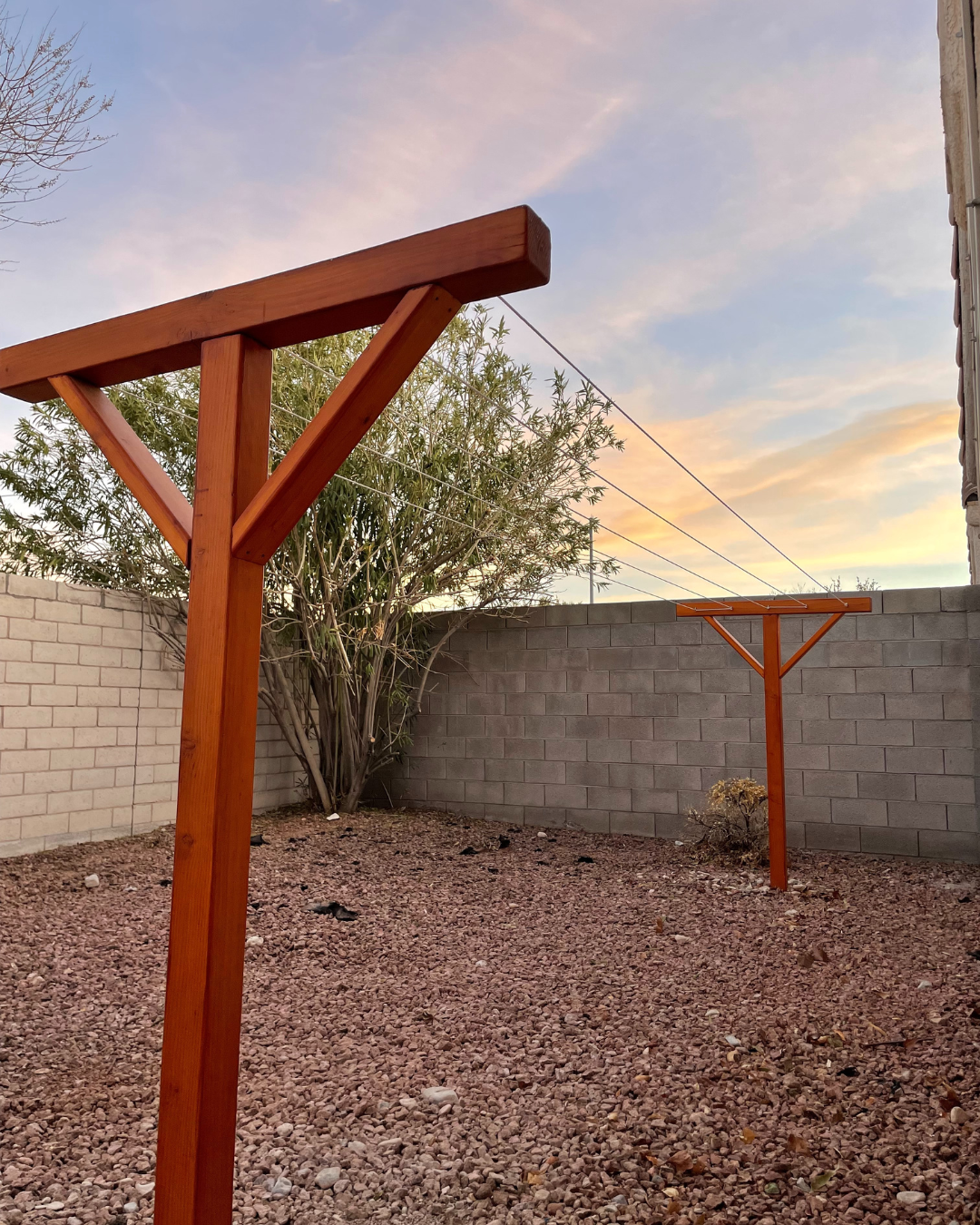
Perhaps the oldest craft on this list! Working with wood led to human evolution. It was the first tool ever created, and later, stone tools were created to work wood in greater detail.
Today, woodworking is still a prized field. Sure, we have machines to make us mass-produced furniture and lumber, but it is increasingly of low quality and lacking artistry. According to Wikipedia, “Skilled fine woodworking, however, remains a craft pursued by many. There remains demand for handcrafted work such as furniture and art; however, due to production rates and costs, consumer prices are higher.”
I think that is another common theme on this list. We are so used to machines making our stuff for dirt cheap (or humans being exploited for cheap labor, more on that here) that we are also forgetting the cost of making stuff with time, skill, art, and just two hands. I say that because many people may not be able to afford this artistry in many of these categories, but that doesn’t mean that these artists are scamming you. Though it is a contributor to why they are dying skills.
Small Appliance/Electronics Repairers
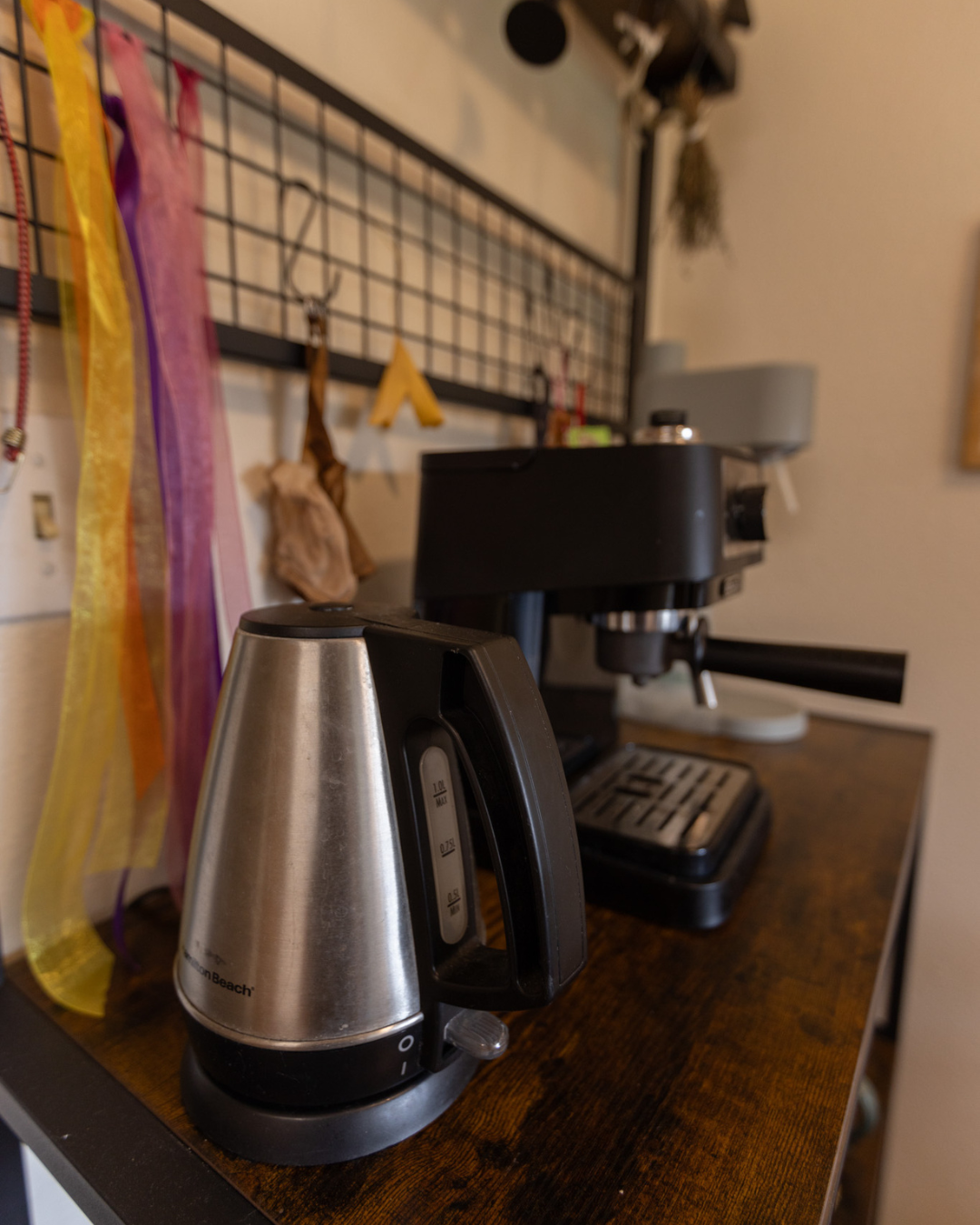
We still have car maintainers and people who can come fix your AC/heater, but do you know of someone who could fix your blender, toaster, or microwave? I don’t. Though thankfully, my area hosts free repair cafes where I could take a broken small appliance to seek help.
This skill is also dying due to cost. It’s often much cheaper to buy a new waffle maker than it is to hire someone to help you for even an hour or less. If you have a broken small appliance, see if there is an artisan in your area who can repair it. If not, seek out a repair cafe. If that still doesn’t work and you must buy something new, recycle that piece of tech and thrift a new one, or check out the subreddit, r/BuyItForLife. This page is extremely helpful in buying things that are difficult to repair, but ensuring you are buying something of high quality to make it last as long as possible!
This is becoming more and more important as these skills are slowly dying out, especially in more rural communities. Our local vacuum and sewing machine repair store is closing, so we bought a (super) expensive vacuum cleaner for our ninth wedding anniversary (#adulting) in the hopes that we will never have to repair it or replace it.
Traditional Locksmiths
Do you even have traditional keys anymore? When I lived in Vegas, I didn’t. I had an electronic key fob for my car, and my home was unlocked with a digital garage door opener or a keycode for the front door. I’m sure many more people can relate to that than having several keys. Now, I have so many keys, and it can be worrisome to know that locksmithing is dying.
While the title “locksmith” likely isn’t going anywhere, the traditional skills of locksmithing likely are. Locksmiths moving forward will just have to learn to fix electronic vs manual locks. Action, Lock, and Key talk more about the future of locksmithing, including apps that connect to your car and home that you can use to lock and unlock them.
There is more where that comes from, so check out the list from the top. Use this as inspiration to learn a new art form or a skill to land a unique job that likely won’t be overtaken by AI or, heck, even another human, since it’s such a rare and hands-on job.
These skills may be dying, but they are still so important features of our communities. Let’s throw away less, repair more, and do so more with our own two hands.
Thanks for reading along! As always, remember that your small actions make a big difference in the long run :)
Emma
