
The Invaluable Nature of Marshes for Climate Change Mitigation
It’s hard to imagine a climate solution that could wrap up water filtration, green spaces, ecosystem restoration, sewage treatment, and halting coastal erosion. But what if I told you that solution already exists?
In the 1970s, there was a huge push for environmentalism. It’s the decade that brought us Earth Day, after all! While sewage treatment was fully fleshed out at the start of the 20th century, it wasn’t until the 1970s that activists began to fight for clean water, and treating sewage was taken seriously. Until then, sewage contaminated most of our clean water. So, humans began to use marshes to solve environmental problems as well as more direct problems humans were facing.
Let’s talk about the wonders of marshlands and why I think we need more of them in the fight for a sustainable future.
What is a marsh?
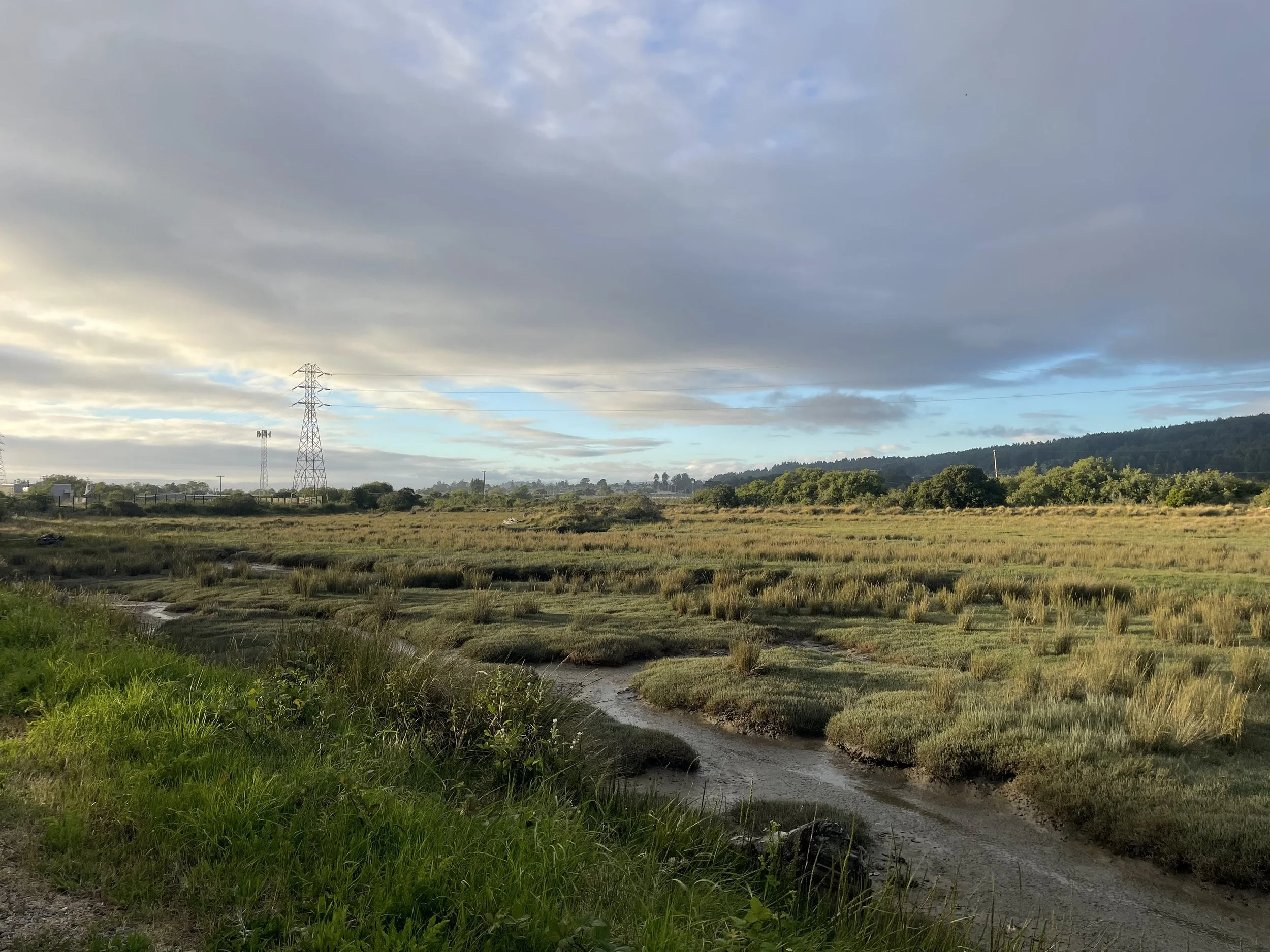
According to Wikipedia, “a marsh is a wetland that is dominated by herbaceous plants rather than by woody plants. More in general, the word can be used for any low-lying and seasonally waterlogged terrain.” A marsh can be a wetland, which is, by definition from Wikipedia, “A wetland is a distinct semi-aquatic ecosystem whose groundcovers are flooded or saturated in water, either permanently, for years or decades, or only seasonally.”
Though it’s not a swamp! A swamp is also under the umbrella of “wetland,” but it is defined by Wikipedia as “A swamp is a forested wetland.”
Marshes can be found anywhere in the world between water and land. From rivers to oceans to lakes and ponds, I’ll bet there’s a marsh there.
The Loss of Marshlands
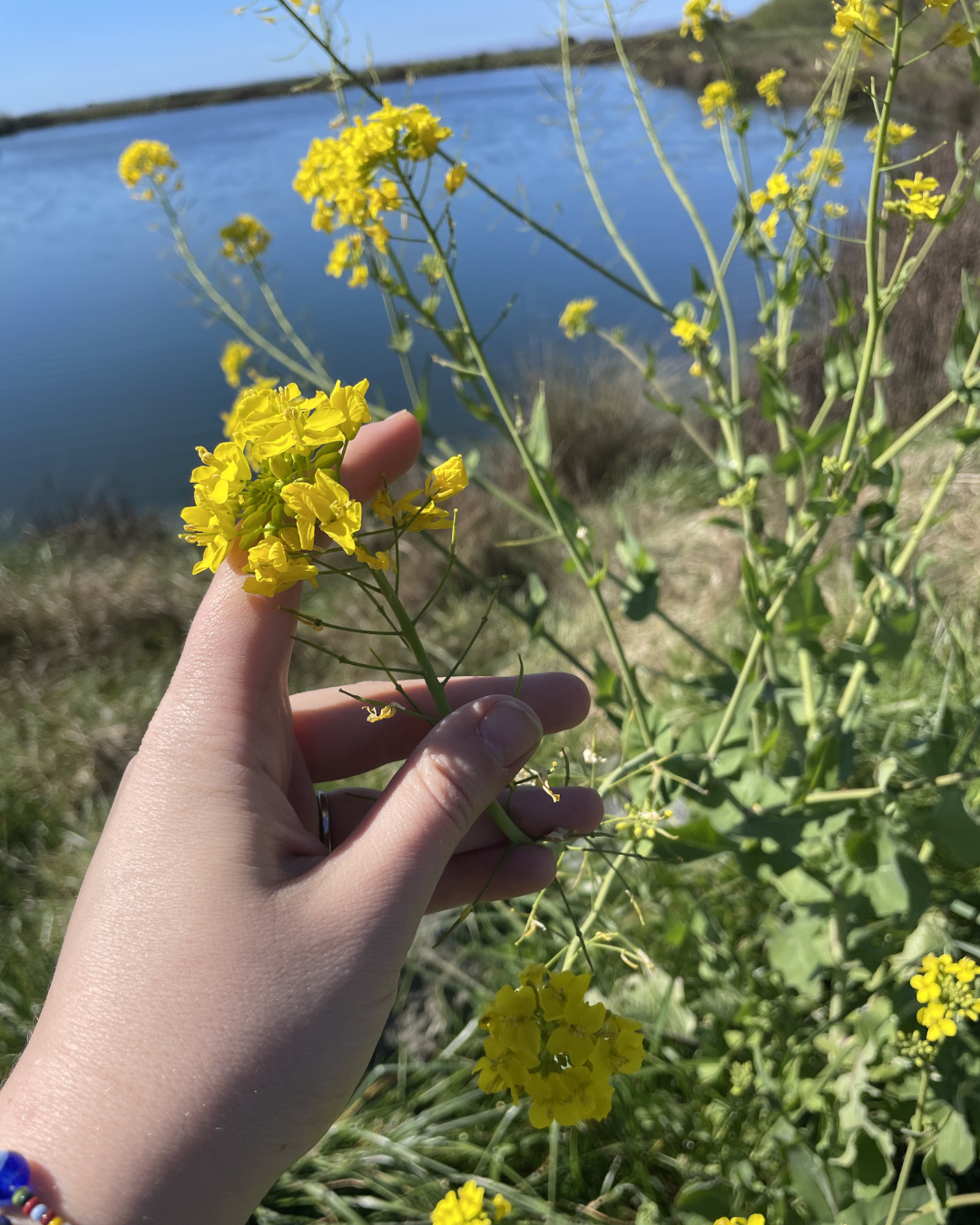
As I learned in the book, The Marsh Builders, the Earth has seen a loss of over 64% of native wetlands. And this book was published 8 years ago. But in agricultural states like my birthplace of Ohio and my new home of California, this number is closer to 90%. I remember growing up in a town so small in Ohio that it was technically a village, being told that where we live used to be swamplands and other wetlands, but they were drained for farming. This is detrimental to wetland-specific wildlife and plants, but also for the humans that live there. If you’ve never lived in a drained wetland, I don’t recommend it. It evolved to retain water and floods easily, and doesn’t get rid of the water it so desperately misses. Let’s leave marshlands be!
It wasn’t until many people started to notice the decline of ducks and other waterfowl in the early 20th century that humans of the time wondered how we could bring those numbers back up. Ducks and other birds are reliant on marsh ecosystems during migration.
Thankfully, marsh restoration is on the rise thanks to science and environmentalists advocating for their protection. There are even amazing businesses out there recycling glass, turning it into sand, and rebuilding marshes with this recycled glass sand to help stop coastal erosion, like the folks at Glass Half Full run by Franziska @glassgrrrl.
Coastal Erosion
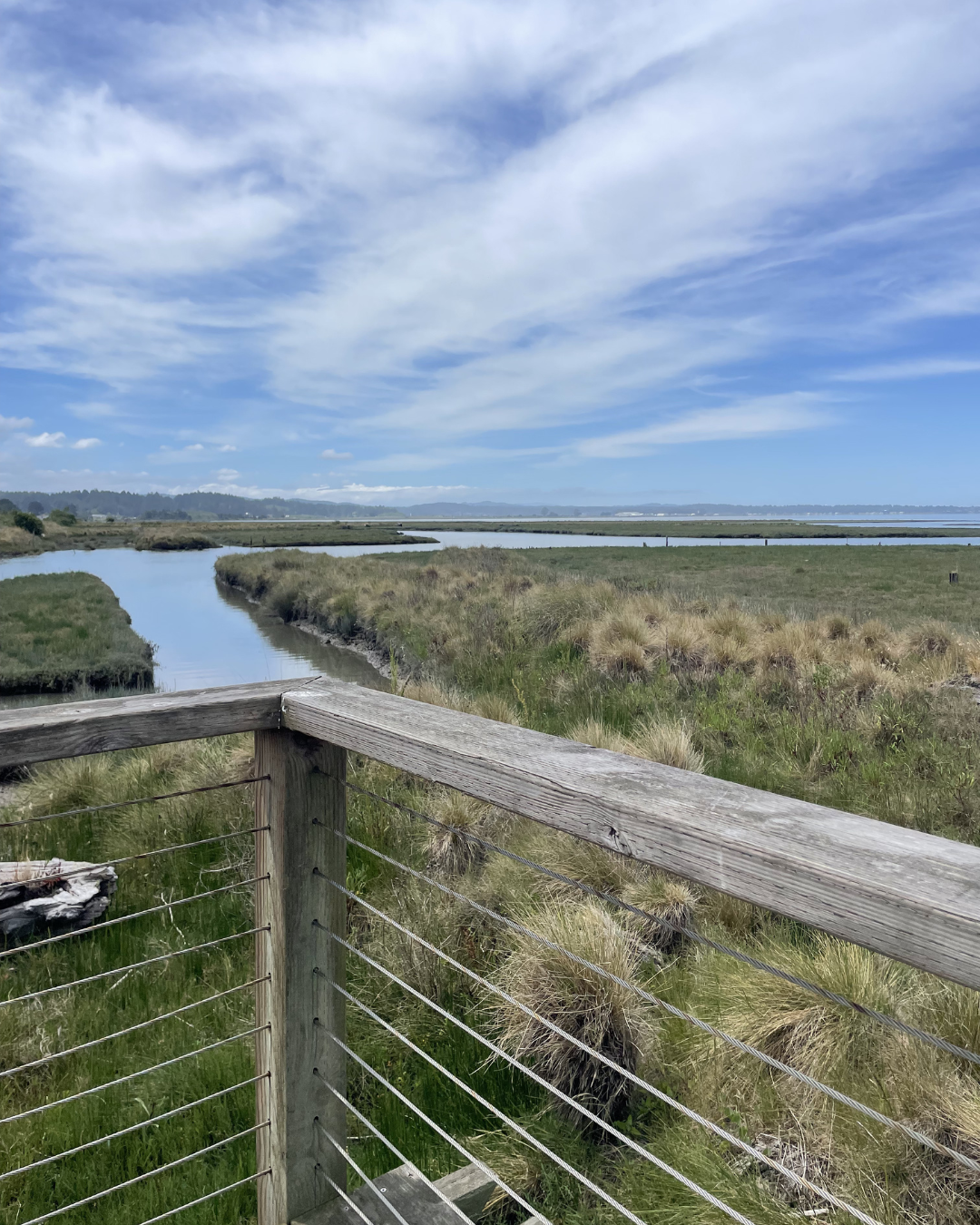
Speaking of halting coastal erosion, let’s talk about the importance of marshes as we combat rising ocean levels. How do marshes help with this?
Well, it all comes down to plants! Many marsh plants are able to establish growth on unsteady, sandy grounds, unlike more woody plants. These plants put down roots and start to trap more sand that is pushed in by the tides. Then, when the plants die, they are trapped by the vegetation of other plants and break down into soil, literally creating more landmass and sturdier ground.
The University of Cambridge states that“In the largest laboratory experiment ever constructed to investigate this phenomenon, the researchers have shown that over a distance of 40 metres, the salt marsh reduced the height of large waves in deep water by 18%, making them an effective tool for reducing the risk of coastal erosion and flooding. Sixty percent of this reduction is due to the presence of marsh plants alone.”
This intermediate between the coast and the land helps buffer waves and trap sediment. Everyone should be thankful for this, but especially those of us who live on the ocean’s coasts and have to deal with tsunamis and ocean storms. Marshlands (and mangroves, more on them in a future video) can make a huge difference in loss of life and property, even in the worst of hurricanes.
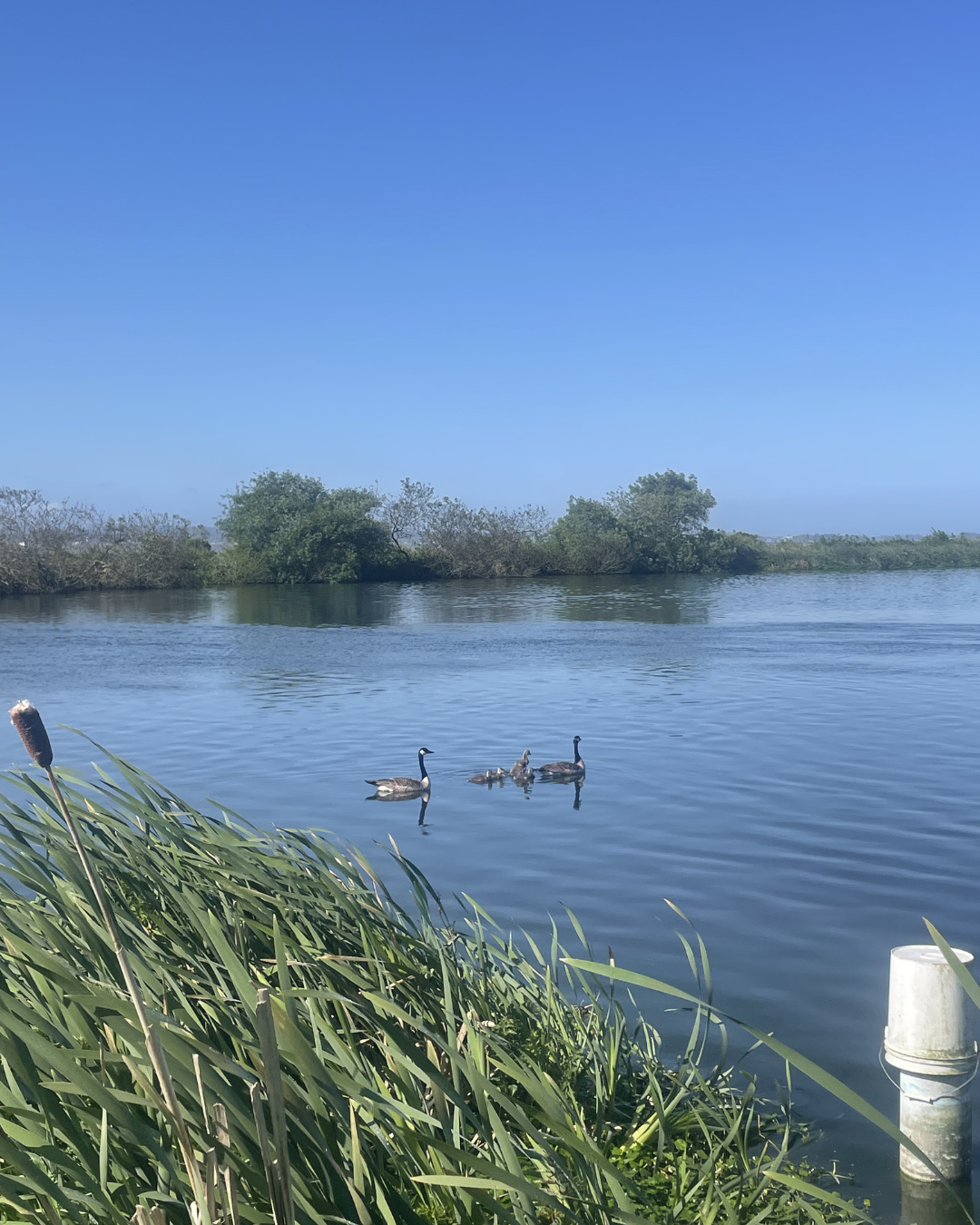
Flood Prevention
Of course, marshes act as a prevention in coastal flooding as well as erosion, but marshlands can also help during inland flooding, too! Vermont’s Department of Environmental Conservation states that “wetlands within and upstream of urban areas are particularly valuable for flood protection.”
Wetland Ecosystem Services state that “peatlands and wet grassland can act like sponges (saturated peat is typically up to 98% water by mass), absorbing rainfall and allowing it to percolate more slowly into the soil, thereby reducing the speed and volume of runoff entering streams and rivers. This means that water levels in larger channels, further downstream, also rise more slowly, and human lives and livelihoods are less likely to be affected by destructive flash flooding.”
Plus, the plants just act as a barrier to the water. Water cannot flow as fast when there are plants in the way. While swamps, treed wetlands, may help a bit more than marshlands, the herbaceous vegetation of marshes also slows water flow.
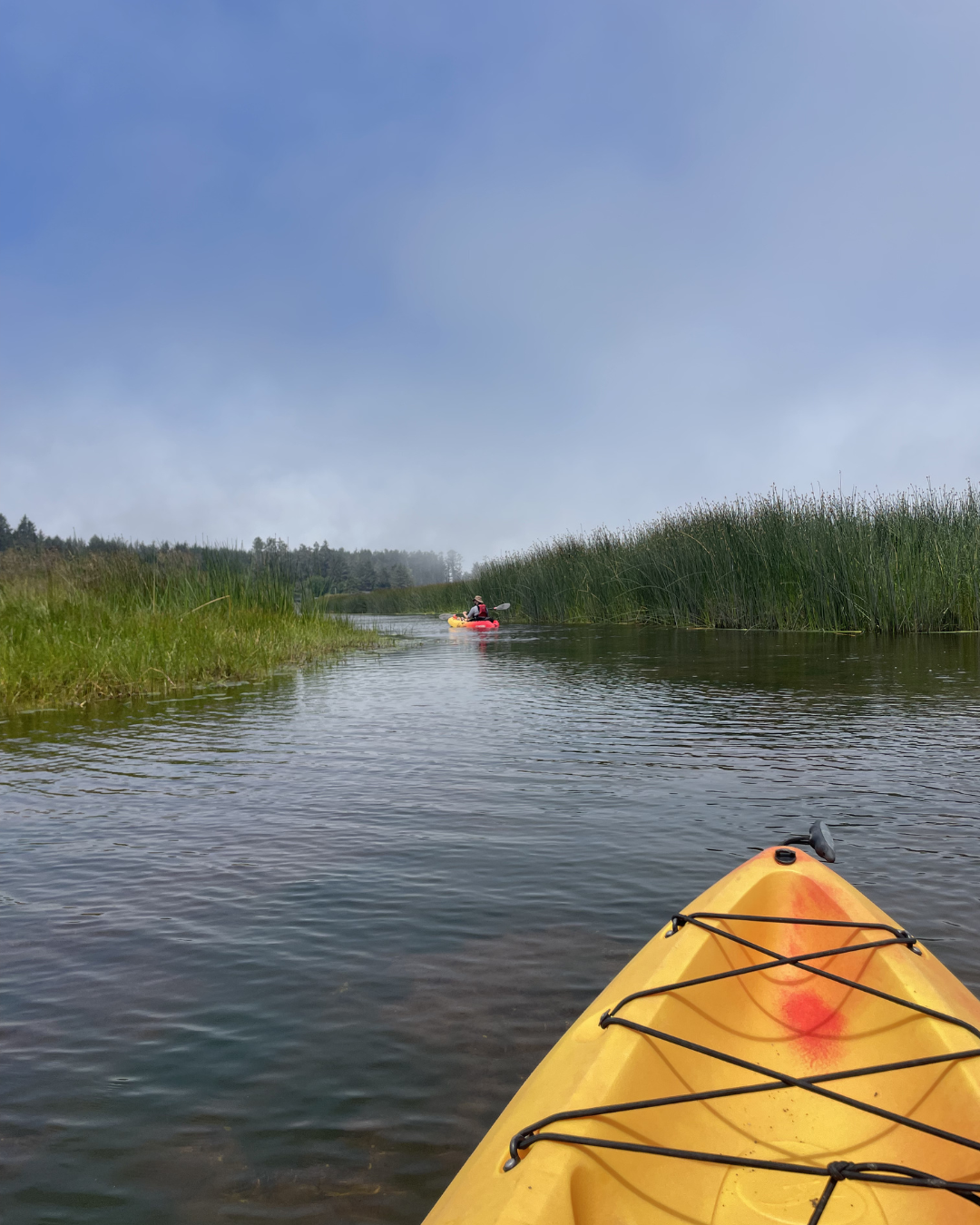
Wildlife Habitat
I hope everyone cares about biodiversity at this point. We are all connected to the web of life, and we depend on the success of other species beyond our own. But even if you don’t, you should care about marshlands if you like to eat fish and bivalves like clams and oysters.
According to NOAA, “These intertidal habitats are essential for healthy fisheries, coastlines, and communities—and they are an integral part of our economy and culture. They also provide essential food, refuge, or nursery habitat for more than 75 percent of fisheries species, including shrimp, blue crab, and many finfish.”
The research “Habitat Matters: Marshes” found that “marsh vegetation transforms dissolved nutrients into plant matter that provides food and shelter for wildlife, naturally enhancing the quality of the water that passes through it.”
In the article “Freshwater Marshes Are Biodiversity Hotspots” by the naturalist Susan Shea, she says that “plants like duckweed and arrow arum, which nourish birds, insects, and waterfowl, are the foundation of the marsh food web. These invertebrates raise fish, turtles, frogs, and songbirds, feeding bald eagles, raccoons, herons, and water snakes. Thus, marshlands are biodiversity hotspots because they support various plant and animal species and are exceptionally rich in biodiversity. For many aquatic and terrestrial creatures, they serve as food sources, breeding grounds, and nesting places.”
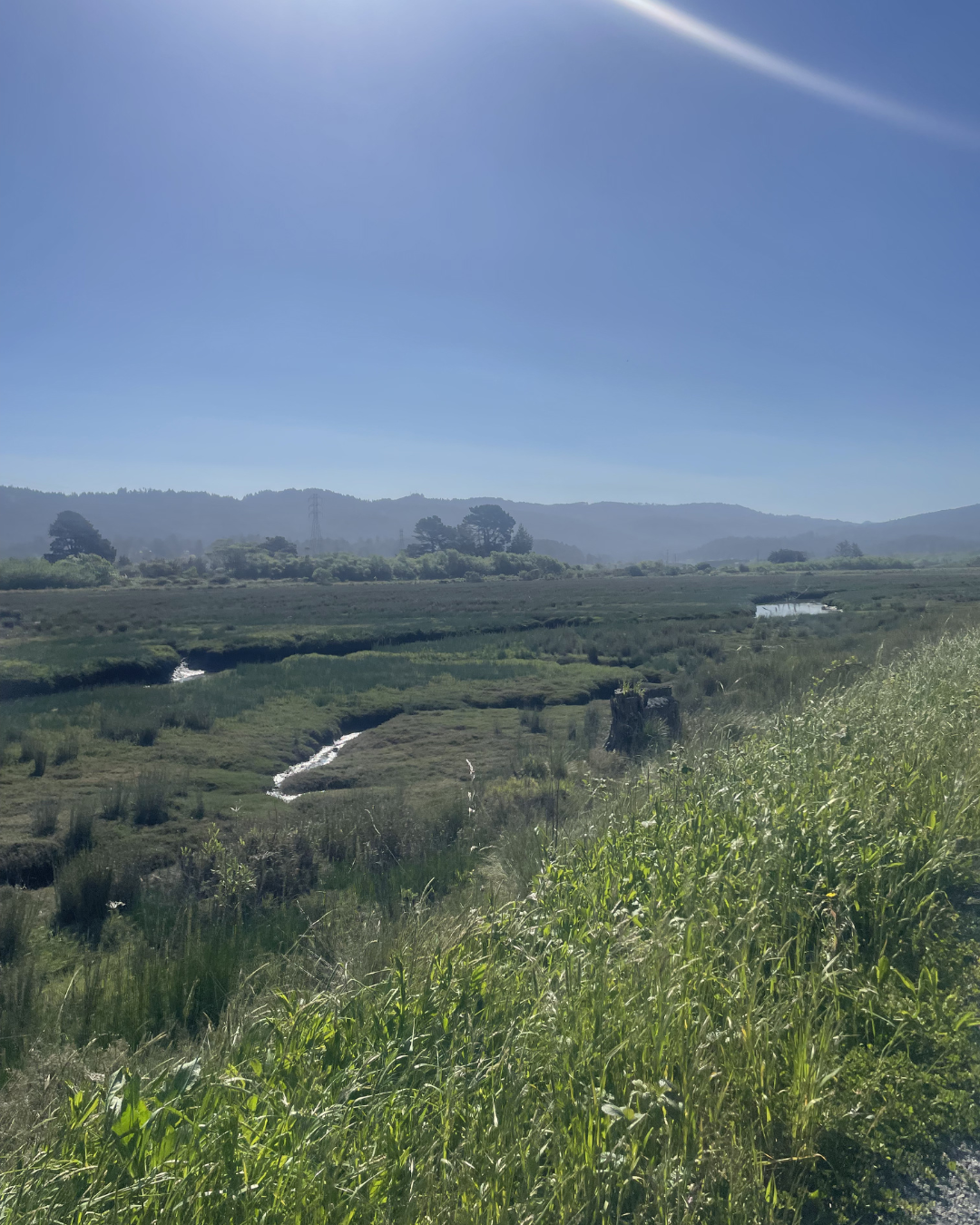
Sewage Treatment
My local marsh is the world’s FIRST marsh used to treat sewage. But it didn’t stop with my small county way up in true Northern California. This idea spread around the world to handle human waste in a sustainable, natural way.
In the 1970s, as author Sharon Levy states, “a handful of activists fought a years-long political battle with state officials. They rejected the state’s plan for an expensive, energy-intensive regional sewage system.”
According to the Revelator, “While this was going on, the rebels also learned more about early tests of building wetlands for this purpose and did their own trials. When they finally won in court, they built one of the world’s first constructed wetlands to treat community sewage on the bed of a damaged marsh. The result, the Arcata Marsh and Wildlife Sanctuary, was dedicated in 1981.”
While activists wanted to stop an energy-intensive, expensive, and large concrete project that would’ve led to suburban sprawl, they found a way to create a biodiverse and environmentally sustainable water treatment facility that also ended up becoming one of the region’s most beloved parks.
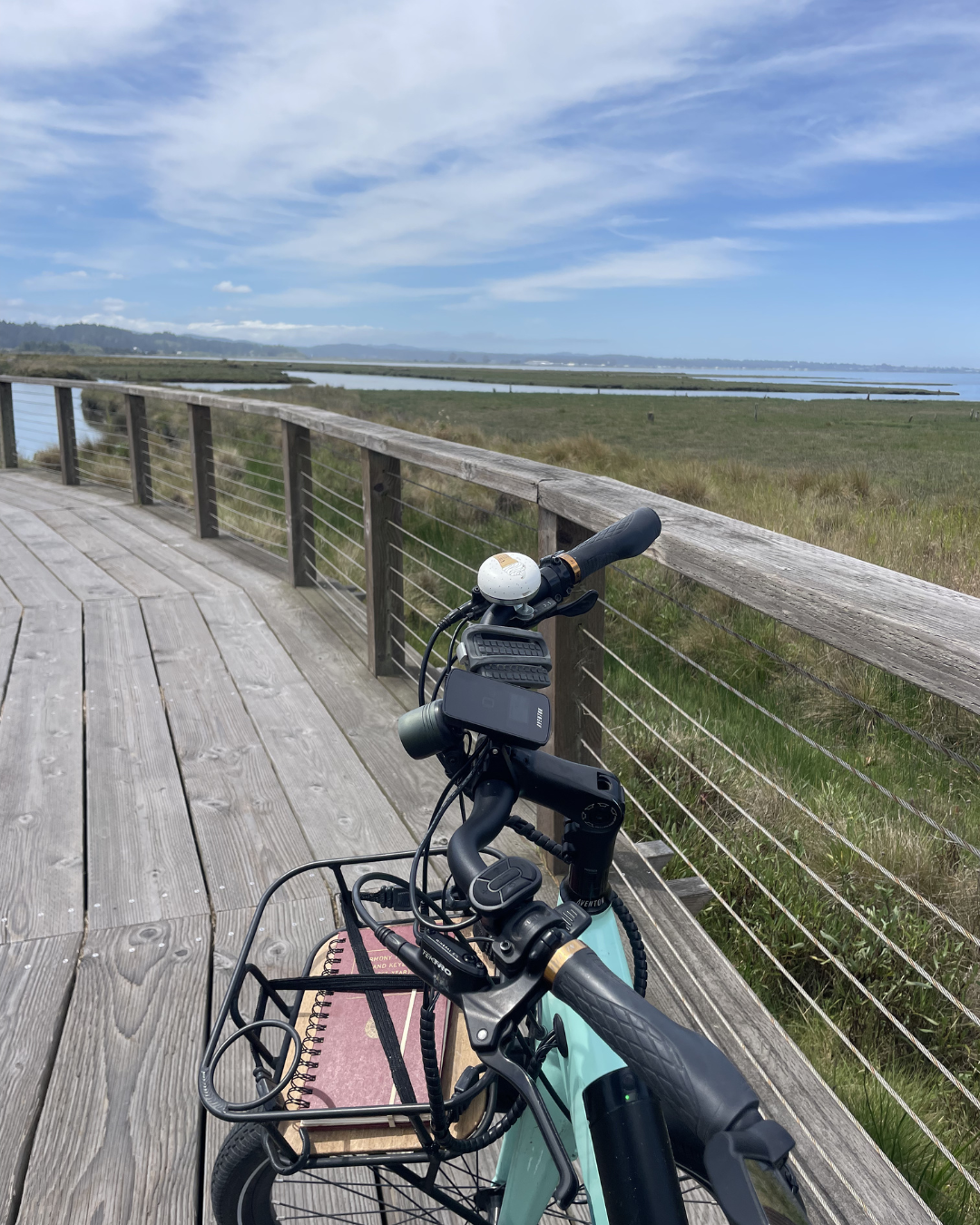
Water Filtration
On top of filtering out human (and other animal) waste, marshes also ensure we have clean drinking water and help prevent toxins in the water from continuing to flow within the ecosystem and water cycle. According to Rochester Beacon, marshes “function as organic filters, drawing impurities and sediments from the water as it passes through. Water quality is enhanced by this purifying function, allowing for various downstream ecological and human applications.”
Honestly, even just marshes slowing down erosion helps with water quality! The more plants we have, the less we experience erosion of soil, which can contaminate our drinking water. According to Wetlands Work, wetlands store water before releasing it slowly. This helps keep groundwater supplies high and can even help mitigate drought conditions. And this slow release allows that water to be cleaner downstream.
The plants also help absorb nitrogen and phosphorus…which are nutrients, but the dose makes the poison. Too much nitrogen and phosphorus can lead to eutrophication. In short, eutrophication happens in waterways when algae have too much to eat and reach overpopulation. This kills everything else in the water. So, thankfully, marsh plant life stops this by storing these nutrients in their roots.
Carbon Sequestration
It’s not just trees we need to thank for limiting carbon in the air and providing us with oxygen; it’s all plant life! According to the study “Carbon Sequestration in Wetlands,” “All wetlands sequester carbon from the atmosphere through plant photosynthesis and acting as sediment traps for runoff. Carbon is held in the living vegetation and in litter, peats, organic soils, and sediments that have built up, in some instances, over thousands of years.” They are crucial in mitigating climate change by storing carbon in plant biomass and soil.
NOAA states that “These types of habitat are known as carbon sinks and contain large stores of carbon accumulated over hundreds to thousands of years. Using more scientific lingo, coastal blue carbon is the carbon captured by living coastal and marine organisms and stored in coastal ecosystems. Salt marshes, mangroves, and seagrass beds play two important roles:
Carbon sequestration — the process of capturing carbon dioxide from the atmosphere, measured as a rate of carbon uptake per year.
Carbon storage — the long-term confinement of carbon in plant materials or sediment, measured as a total weight of carbon stored.”
Green Spaces & Recreation
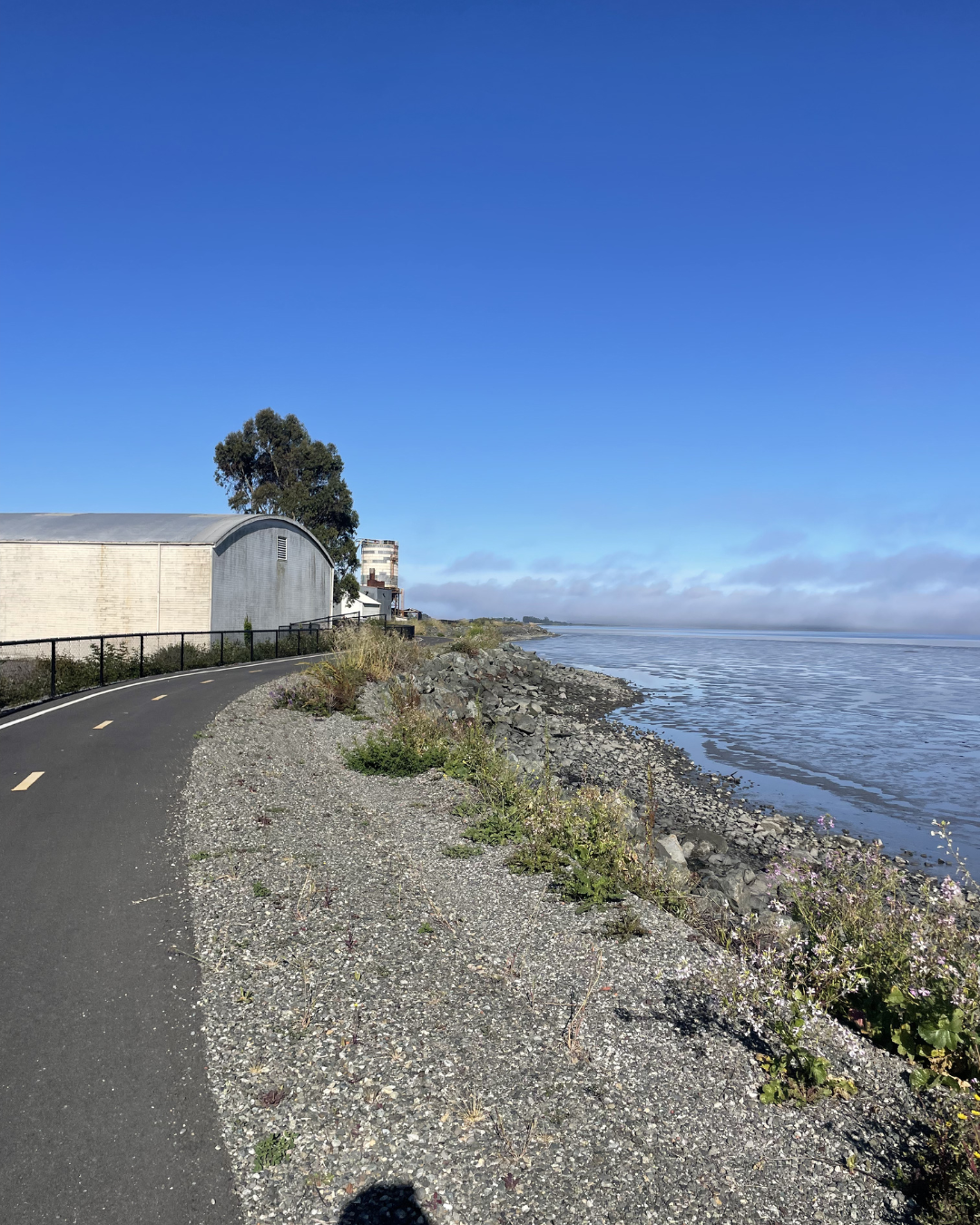
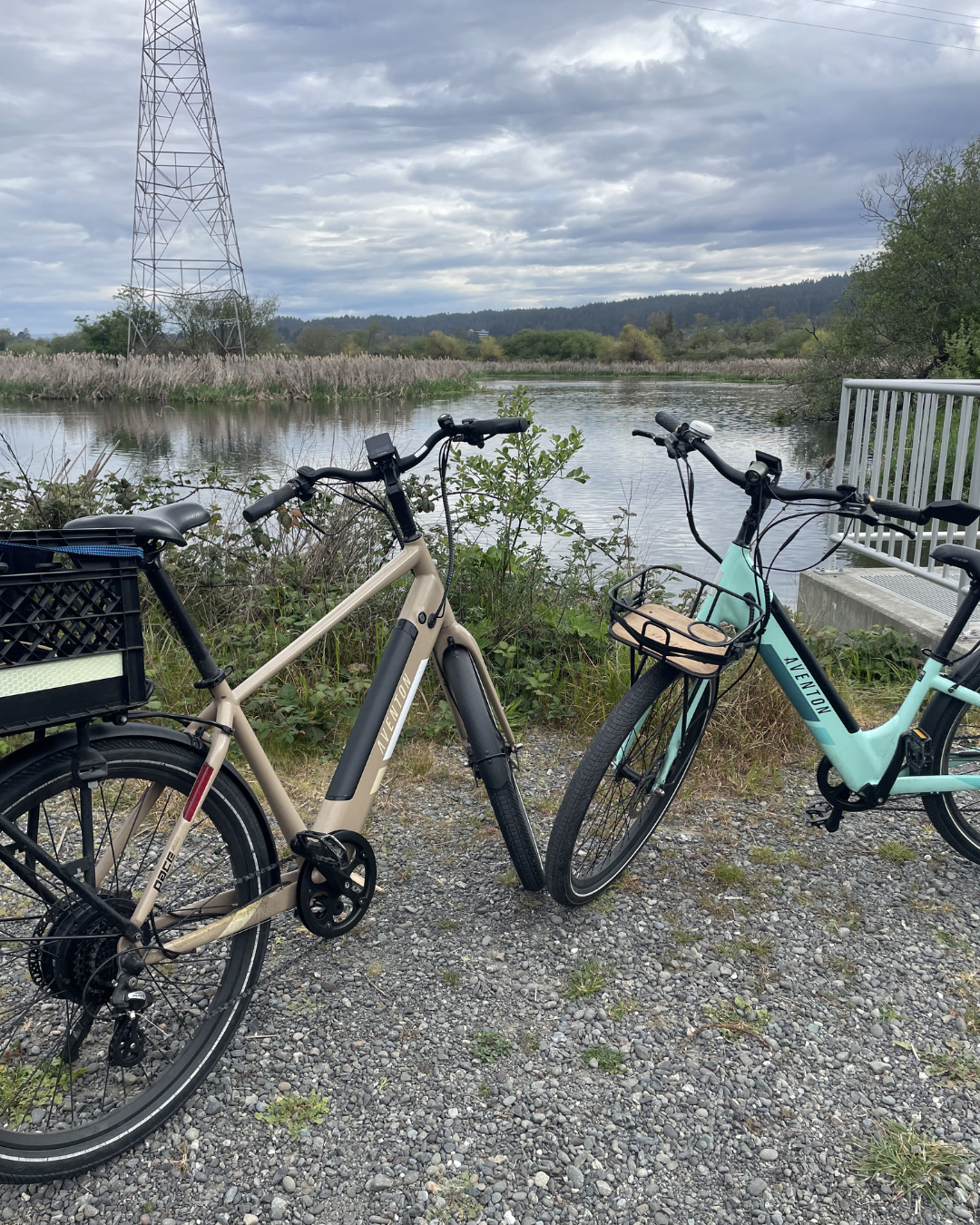
Before we had our city marsh to treat our sewage, my city really just had a few forest trails and nothing on the coast. Now, the city marsh has become such a highlight of the city. From daily walkers and birders to seasonal tourists to folks traveling all over the world to visit our marsh during bird migration and birding festivals, this marsh has become a keystone of the Humboldt Bay. The bike trails within the marsh may have even led to the creation of the full bike trail along the bay that opened in 2025!
Green spaces are great for the plants and animals, but just as great for humans to exercise, connect with nature, and spend time with the community. Get outside, folks!
Marshes Still Remain Threatened
Marshlands have almost always been seen as a nuisance, especially to colonizers and capitalists. This is why the world has lost around 65% of our wetlands. They’re hard to build on and farm on so they are not seen as economically valuable. But maybe we need to consider their true value to the environment and also our livelihood.
So, celebrate marshes! Be an advocate for their restoration and protection. Go check out your local marsh and see what you can learn.
While marshes can be a huge benefit in the fight against climate change, climate change is also a reason why marshes are still at so much risk. They can only help so much to stop rising ocean levels. If they rise too much, there will simply be too much salt in the marshes for brackish plants and animals to survive. While marshes help immensely to filter water, they can’t do it all. Too many heavy metals, fertilizers, pesticides, and other toxins can be too much for the plants to handle and cause them to die.
So keep learning and keep supporting your public lands. And don’t forget to check out the first video in this new series, Unsung Climate Solutions, all about how beavers go hand in hand with wetlands.
As always, remember that your small actions make a big difference in the long run :)
Emma
